
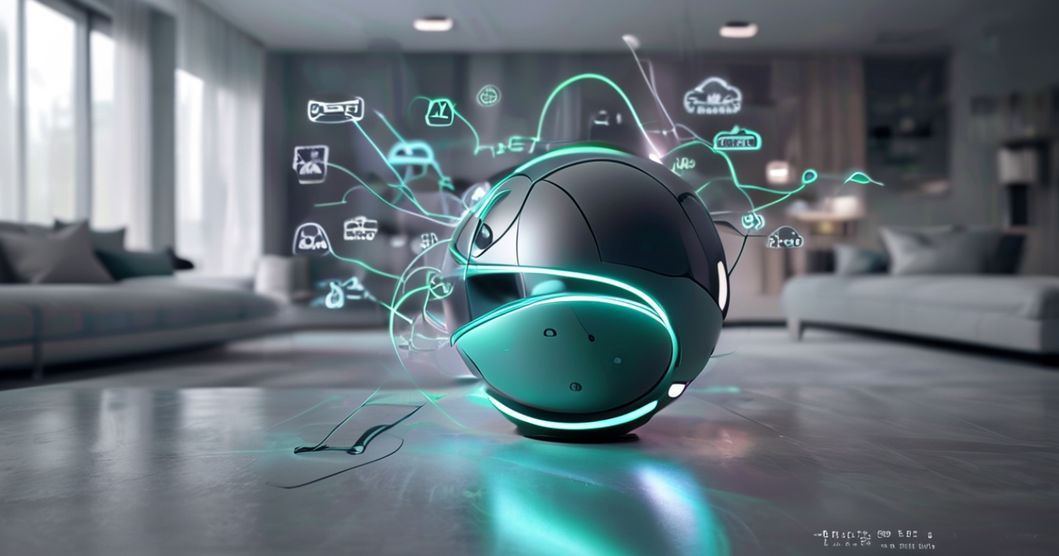
The concept of a “smart home” has evolved dramatically over the past decade. What once seemed like science fiction is now becoming commonplace, with voice assistants managing our music, lighting, and thermostats. Yet, a new wave of innovation is pushing beyond simple command-and-control. We are now entering an era where our homes are not just responsive, but proactive – anticipating our needs and acting on them autonomously. This shift is powered by cutting-edge AI integrated into sophisticated smart home hubs, redefining convenience and efficiency in our daily lives.
These next-generation hubs are moving beyond mere connectivity. They are becoming the central nervous system of our homes, equipped with advanced processing capabilities and a deeper understanding of our habits and environments. This evolution promises a living space that feels more intuitive, more personalized, and genuinely intelligent.
What’s New in Smart Home AI?
The biggest leap forward for smart home AI is its transition from being reactive to proactive. Older systems required explicit commands: “Turn on the lights,” or “Set the thermostat to 72 degrees.” While helpful, this still demanded user initiation. Today’s innovations are geared towards systems that learn, predict, and act without direct prompting, creating an environment that seamlessly adapts to your lifestyle.
This enhanced intelligence stems from several key advancements. Modern AI algorithms are now capable of processing vast amounts of data from various sensors – not just voice. They can analyze movement patterns, ambient light, temperature fluctuations, and even air quality. This holistic data collection allows the AI to build a comprehensive model of your home’s ecosystem and your personal preferences, leading to truly personalized automation.
Furthermore, the focus has shifted towards more robust, local processing, often referred to as “edge AI.” This means less reliance on cloud servers for every decision, resulting in faster response times, greater reliability, and significantly enhanced privacy, as more of your personal data stays within your home network.
Key Innovations Driving the Change
Enhanced Sensory Perception
Today’s smart home hubs are no longer just microphones. They integrate an array of advanced sensors that give them a more complete picture of your home. High-resolution cameras with object recognition, sophisticated microphones that can distinguish between different sounds (like glass breaking or a baby crying), motion detectors with presence sensing, and environmental sensors measuring temperature, humidity, and even air quality are becoming standard. This rich data input fuels the AI’s ability to understand context and make informed decisions.
Edge AI Processing
One of the most significant breakthroughs is the move towards edge computing. Instead of sending all data to the cloud for processing, modern hubs have powerful processors built-in that can handle complex AI computations locally. This dramatically reduces latency, making interactions feel instantaneous. More importantly, it enhances data privacy and security, as sensitive information about your routines and activities doesn’t need to leave your home network as frequently. It also means your smart home can continue to function intelligently even if your internet connection temporarily goes down.
Advanced Interoperability (Matter Standard)
A perennial frustration for smart home users has been the lack of seamless communication between devices from different manufacturers. The introduction of standards like Matter is a game-changer. Matter aims to create a universal language for smart home devices, allowing them to work together effortlessly, regardless of brand. This open-source, royalty-free connectivity standard ensures that your new AI-powered hub can truly orchestrate all your smart devices, from lighting and locks to thermostats and sensors, creating a cohesive and harmonious smart home ecosystem.
Contextual Awareness
The new generation of AI-powered hubs excels at contextual awareness. They don’t just react to commands; they understand the situation. This means knowing if you’re home or away, if it’s day or night, if the kids are asleep, or if you’re hosting a party. By combining data from calendars, location services, environmental sensors, and user preferences, the AI can anticipate your needs. For instance, it might dim the lights and play soft music when it detects you’re winding down for the evening, or pre-heat the oven when it learns you’re on your way home from work.
Real-World Impact and Benefits
The impact of proactive AI smart home hubs extends far beyond simple convenience. They are transforming how we interact with our living spaces.
- Automated Comfort and Energy Saving: Imagine a home that automatically adjusts lighting based on natural light levels, optimizes heating or cooling based on occupancy and weather forecasts, and even suggests energy-saving modes when you’re away.
- Enhanced Security: Beyond traditional alarms, AI can learn the difference between regular activity and suspicious events, notifying you only when necessary. It can identify familiar faces at the door, detect unusual sounds, or even simulate occupancy when you’re on vacation.
- Personalized Wellness Routines: AI can monitor air quality and suggest ventilation, adjust lighting to support circadian rhythms, or even integrate with wearables to optimize your sleep environment.
- Simplifying Complex Tasks: From managing multiple devices with a single intention (e.g., “Good morning” routine that opens blinds, brews coffee, and plays news) to troubleshooting minor issues, AI significantly reduces the cognitive load of managing a smart home.
Challenges and Considerations
While the potential is immense, this technological leap also brings important considerations:
- Privacy Concerns: With more sensors collecting more data, safeguarding personal privacy becomes paramount. Manufacturers must be transparent about data usage and provide robust security measures.
- Data Security: The more connected devices in a home, the larger the potential attack surface for cyber threats. Secure authentication and encryption are crucial.
- Cost and Complexity: High-end AI-powered hubs and compatible devices can be a significant investment, and the initial setup might still be daunting for some users.
- Ethical AI Development: As AI becomes more autonomous, questions about bias, accountability, and user control become increasingly relevant, requiring careful ethical guidelines in development.
The Future is Proactive, Not Reactive
The trajectory for smart home technology is clear: towards an even more integrated, intuitive, and anticipatory living experience. Future hubs will likely feature even more advanced predictive analytics, deeply personalized experiences, and seamless integration with smart city infrastructures. They will learn not just your habits, but your preferences, moods, and even your health metrics, to create an environment that truly supports your well-being.
We are witnessing the transformation of our homes from passive structures into active, intelligent partners. These AI-powered smart home hubs are not just fancy gadgets; they are the architects of a new era of connected living, promising unprecedented levels of comfort, security, and efficiency that adapt to us, rather than requiring us to adapt to them.