
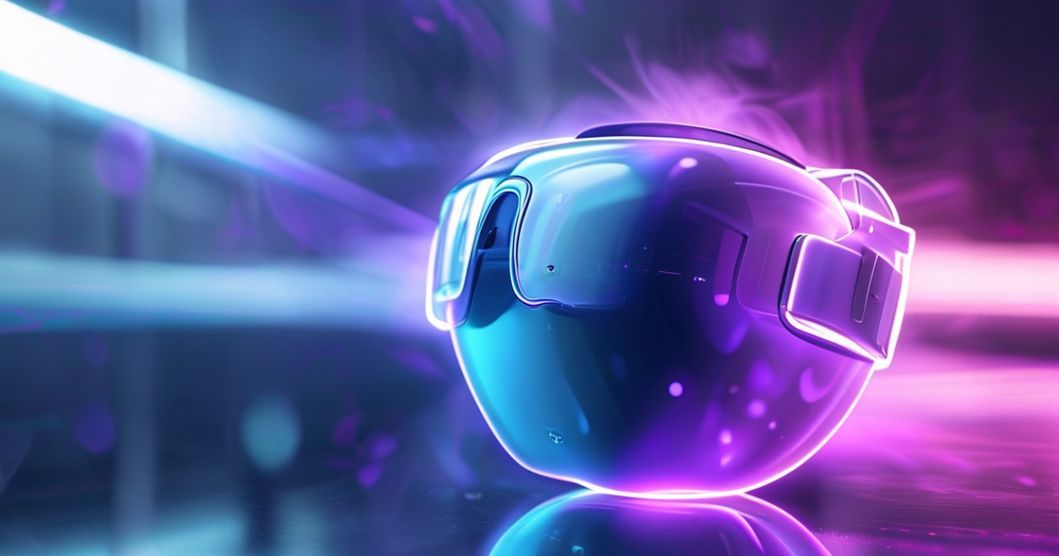
Every so often, a technological leap occurs that doesn’t just refine an existing category but instead pioneers an entirely new one. The launch of the Apple Vision Pro marks one such moment, introducing the world to “spatial computing.” Far beyond a mere virtual reality headset, Vision Pro aims to seamlessly blend digital content with your physical space, offering an unprecedented way to interact with technology and the world around you. It’s a bold vision, promising to redefine personal computing as we know it.
Redefining Interaction: What is Spatial Computing?
At its core, spatial computing, as championed by Apple Vision Pro, refers to a form of interaction where digital content is integrated directly into your physical environment. Unlike traditional VR, which typically transports you to a fully immersive virtual world, Vision Pro uses advanced passthrough video to overlay apps, videos, and 3D objects onto your real-world view. This allows you to stay present in your surroundings while simultaneously engaging with an expansive digital workspace or immersive entertainment.
Unveiling VisionOS and its Ecosystem
The magic behind Vision Pro’s intuitive experience lies in its custom operating system, VisionOS. Built on the foundations of iOS, iPadOS, and macOS, VisionOS is designed from the ground up for spatial interaction. It employs a three-dimensional interface where apps can be placed anywhere in your personal space and scaled to your preferred size. Navigation is remarkably natural, relying on your eyes, hands, and voice. Simply looking at an icon selects it, a gentle pinch of your fingers clicks it, and speaking commands allows for text input and system control. This hands-free, eye-tracking interface represents a significant departure from traditional controllers, aiming for an interaction that feels almost telepathic.
Pioneering Hardware: The Vision Pro’s Technological Marvels
To deliver on its ambitious promise, Vision Pro packs an astonishing array of cutting-edge hardware:
- High-Resolution Displays: At the heart of the immersive visual experience are two micro-OLED displays, each delivering more pixels than a 4K TV to each eye. This results in incredibly sharp text, vibrant colors, and stunning realism for digital content.
- Advanced Tracking Systems: A sophisticated network of cameras and sensors tracks your head, hands, and eyes with remarkable precision. This data feeds into the VisionOS, enabling the natural and responsive interaction that defines the device.
- Passthrough and EyeSight: External cameras provide a high-fidelity video feed of your surroundings, making the “mixed reality” experience feel incredibly real. The innovative EyeSight feature displays your eyes on an external screen when people are nearby, creating a sense of connection and awareness for those around you, a crucial step in making AR socially acceptable.
- Dual-Chip Architecture: Powering this complex system are two Apple chips: the M2 for general processing and the R1, a dedicated chip for real-time sensor processing. The R1 processes input from 12 cameras, five sensors, and six microphones within 12 milliseconds – eight times faster than the blink of an eye – to ensure a seamless, lag-free experience.
- Spatial Audio: Integrated speakers deliver personalized Spatial Audio, creating the illusion that sounds are coming from specific points in your environment, further enhancing the immersion.
Transformative Applications: Where Vision Pro Shines
The potential applications for Vision Pro are vast and exciting, stretching across entertainment, productivity, and communication.
Entertainment and Immersive Experiences
Imagine watching a movie on a screen that feels 100 feet wide, right in your living room, or being transported to a virtual IMAX theater. Vision Pro excels here, offering cinematic experiences that surpass any home theater setup. Immersive environments can transform your room into a serene landscape or a bustling city, providing unique backdrops for media consumption. Gaming also takes on a new dimension, allowing players to interact with virtual worlds more directly than ever before.
Productivity and Collaboration
For professionals, Vision Pro could fundamentally change how work is done. It allows you to create an infinite workspace, placing multiple app windows side-by-side, scaling them, and arranging them exactly as you need them. No longer confined by physical monitor limits, you could have a vast virtual desktop anywhere. FaceTime calls become more personal with “Persona,” a realistic digital representation of yourself that appears to others in spatial audio, fostering a stronger sense of presence.
Navigating the New Frontier: Challenges and Considerations
While Vision Pro represents a monumental leap, it’s not without its challenges and limitations:
- The Price of Innovation: With a starting price of $3,499, Vision Pro is positioned as a premium, early-adopter device. This high cost places it out of reach for many, limiting its initial widespread adoption.
- Comfort and Portability: The device’s weight and the need for an external battery pack can impact comfort during extended use. While Apple has focused on ergonomic design, prolonged wear remains a consideration for any head-mounted display.
- Evolving App Landscape: As a new computing platform, the VisionOS app ecosystem is still in its nascent stages. While it can run many iOS and iPadOS apps, the true power of spatial computing will only be unleashed with a rich library of purpose-built spatial apps and experiences.
- Social Acceptance: The form factor of head-mounted displays still presents social hurdles. While EyeSight helps, interacting with others while wearing a headset remains a unique social dynamic that will evolve over time.
The Road Ahead: Vision Pro’s Impact on the Future
The Apple Vision Pro is more than just a gadget; it’s a foundational piece of technology that hints at the future of personal computing. It might be expensive and have its quirks now, but like early smartphones or personal computers, it lays the groundwork for future iterations that will become smaller, more affordable, and even more integrated into our lives. It encourages developers to think in three dimensions and pushes the boundaries of how we interact with information and each other. Vision Pro isn’t just about what it can do today; it’s about the potential it unlocks for tomorrow, offering us a compelling glimpse into a world where our digital and physical realities seamlessly intertwine.