
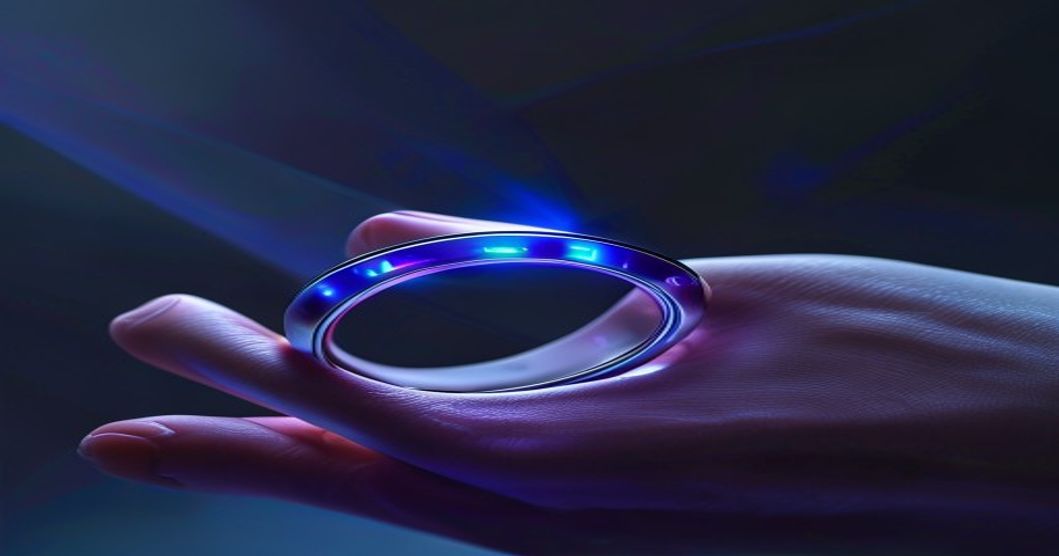
The world of wearable technology has been steadily evolving, moving beyond the wrist and into more discreet, yet powerful, forms. While smartwatches have dominated the landscape for years, a new contender is rapidly gaining traction: the smart ring. These unassuming pieces of jewelry are packed with cutting-edge technology, promising to deliver a seamless blend of style, convenience, and unparalleled insights into our health and daily lives. Far from being a mere novelty, smart rings are emerging as a significant innovation, reshaping how we interact with our digital world and monitor our well-being.
The Evolution of Wearable Technology
For decades, our personal technology journey has been characterized by miniaturization and integration. From clunky calculators to sleek smartphones, the goal has always been to make technology more accessible and less intrusive. Wearable tech took a significant leap with fitness trackers and smartwatches, bringing digital information and health metrics directly to our wrists. However, for many, smartwatches can be bulky, require frequent charging, and don’t always align with personal style preferences. This paved the way for the next natural progression: the smart ring.
Smart rings offer an elegant solution, providing many of the same functionalities as their wrist-bound counterparts but in a far more compact and inconspicuous form factor. They blend seamlessly into everyday life, making continuous health monitoring and discreet interactions a reality without drawing undue attention.
Key Innovations Driving Smart Ring Adoption
The latest generation of smart rings is more sophisticated than ever, boasting a suite of features that go well beyond basic step counting. These innovations are positioning smart rings as essential tools for modern living.
Advanced Health and Wellness Tracking
- Comprehensive Sleep Analysis: Smart rings excel at tracking sleep stages (REM, deep, light), heart rate variability (HRV), and body temperature changes throughout the night, offering deep insights into sleep quality and recovery.
- Proactive Health Monitoring: Many rings can continuously monitor heart rate, blood oxygen levels (SpO2), and skin temperature, alerting users to potential health anomalies or even early signs of illness. Some models even track stress levels and provide guided breathing exercises.
- Activity and Recovery: Beyond steps, these rings track daily activity, calorie burn, and provide recovery scores, helping users optimize their workouts and prevent overtraining.
Seamless Payments and Secure Authentication
Imagine leaving your wallet and phone at home, yet still being able to make purchases. Newer smart rings incorporate NFC technology, enabling contactless payments with a simple tap of your finger. Furthermore, some rings are exploring biometric authentication, offering a highly secure and convenient way to unlock devices, access digital services, or even open smart locks, eliminating the need for passwords or PINs.
Gesture Control and Smart Home Integration
The potential for smart rings as intuitive control devices is immense. While still in early stages, some rings are experimenting with gesture recognition, allowing users to control music playback, answer calls, or even manage smart home devices with subtle hand movements. This hands-free interaction promises a new level of convenience and integration into our connected environments.
Enhanced Durability and Battery Life
A major improvement in smart rings has been their robust design and extended battery life. Crafted from durable materials like titanium and advanced ceramics, they are built to withstand daily wear and tear, often being water-resistant. Battery life typically ranges from 4 to 7 days on a single charge, a significant advantage over many smartwatches, reducing the hassle of frequent recharging.
Sleek Design and Material Science
Unlike some bulky wearables, smart rings are designed to be fashionable and unobtrusive. Manufacturers are focusing on minimalist aesthetics, offering various finishes and materials to suit different styles. The use of lightweight, hypoallergenic materials ensures comfort for continuous wear, which is crucial for accurate long-term data collection.
Leading Players in the Smart Ring Space
The market for smart rings is heating up, with several key players making significant strides. Oura Ring has long been a frontrunner, celebrated for its advanced sleep and recovery tracking. Ultrahuman Ring AIR is another strong competitor, focusing on metabolic health and athletic performance. More recently, tech giants like Samsung have announced their entry with the forthcoming Galaxy Ring, signaling a mainstream embrace of this form factor. These companies are pushing the boundaries of what’s possible, investing heavily in sensor technology and AI-driven insights.
Benefits for the Everyday User
The allure of smart rings lies in their ability to provide valuable data and convenience without disruption. They offer continuous, passive monitoring, meaning users receive insights into their health and activity without needing to actively engage with a screen. Their discreet nature makes them suitable for all occasions, from the gym to a formal event. For those who find smartwatches distracting or unfashionable, a smart ring offers an elegant alternative, providing core functionalities in a minimalist package. The constant flow of personalized data empowers individuals to make more informed decisions about their lifestyle, leading to improved well-being and productivity.
Challenges and the Road Ahead
Despite their promise, smart rings face challenges. Data privacy and security are paramount, given the sensitive health information they collect. Ensuring accuracy comparable to medical-grade devices is another hurdle, though ongoing advancements are closing this gap. Interoperability with existing health ecosystems and device platforms will also be crucial for widespread adoption.
Looking to the future, smart rings are poised for even greater integration into our lives. We can anticipate more advanced biometric capabilities, tighter integration with augmented and virtual reality experiences, and potentially even medical applications for long-term patient monitoring. As the technology matures and becomes more affordable, smart rings could become as ubiquitous as smartphones, redefining our relationship with personal technology and health management.