
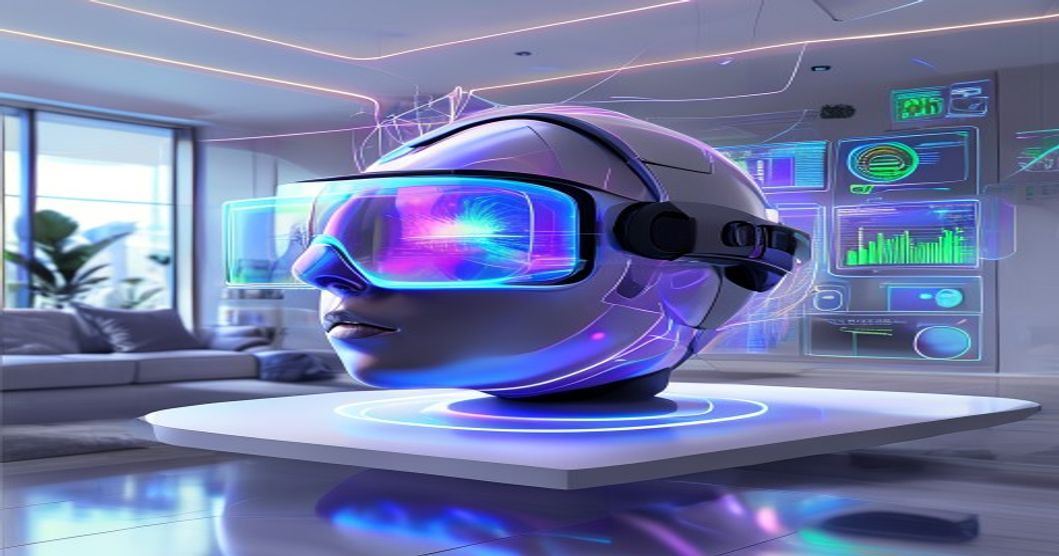
The technological landscape is in a constant state of evolution, with new innovations consistently pushing the boundaries of what’s possible. Among the most talked-about recent developments is Apple’s ambitious entry into the world of spatial computing: the Apple Vision Pro. Launched to significant anticipation, this groundbreaking device promises to redefine how we interact with digital content and the physical world around us. It’s not just another gadget; it’s a bold statement about the future of personal computing.
This article delves into the core innovations of the Apple Vision Pro, explores its potential applications, and examines the challenges it faces as it attempts to carve out a new category in consumer electronics. Prepare to explore a device that aims to seamlessly blend reality with a digital overlay, transforming everything from entertainment to productivity.
What is the Apple Vision Pro?
At its heart, the Apple Vision Pro is a mixed-reality headset designed to integrate digital content with your physical space. Unlike traditional virtual reality (VR) headsets that fully immerse you in a digital world, or augmented reality (AR) devices that simply overlay digital information, the Vision Pro introduces what Apple calls “spatial computing.” This paradigm allows users to interact with applications and media that appear to float seamlessly within their real-world environment.
Operating on a brand-new operating system called visionOS, the device is engineered from the ground up to support three-dimensional interfaces and intuitive interaction. It aims to eliminate the traditional screen barrier, transforming any room into an expansive canvas for work, entertainment, and connection. The Vision Pro represents a significant leap towards a future where digital experiences are no longer confined to a display but are an integral part of our physical surroundings.
Key Technological Innovations
The Apple Vision Pro is packed with cutting-edge technology that underpins its unique spatial computing experience. Each component has been meticulously engineered to deliver unparalleled visual fidelity, intuitive interaction, and robust performance.
Spatial Computing Redefined
The most fundamental innovation is the concept of spatial computing itself. Instead of looking at a screen, you look through the Vision Pro, and digital apps appear as if they are physically present in your room. You can arrange multiple app windows around you, resize them, and even move them from one corner of your space to another, creating an entirely new kind of workspace or entertainment hub.
Stunning High-Resolution Displays
The Vision Pro features two custom micro-OLED displays, each no larger than a postage stamp, yet together delivering more pixels than a 4K television for each eye. This translates to an astonishing 23 million pixels across the two displays, providing incredible sharpness and vibrant colors that make digital content look incredibly realistic and integrated into the real world. This pixel density virtually eliminates the “screen-door effect” often seen in other VR headsets.
Intuitive Eye and Hand Tracking
One of the most remarkable aspects of the Vision Pro is its natural and effortless input method. There are no handheld controllers; instead, the device uses advanced eye-tracking technology to allow users to navigate simply by looking at elements. A subtle pinch gesture with your fingers serves as a “click.” This combination of eye-tracking and hand gestures makes interaction feel incredibly intuitive and direct, almost like magic.
Dual-Chip Powerhouse: M2 and R1
Powering this complex experience is a sophisticated dual-chip architecture. The familiar Apple M2 chip handles the heavy lifting of processing and rendering, delivering exceptional performance. Alongside it, the brand-new R1 chip is dedicated to processing input from the 12 cameras, five sensors, and six microphones in real-time. This ensures that content appears seamlessly in front of your eyes with virtually no lag, crucial for a truly immersive spatial experience.
visionOS: A New Operating System for a New Era
Apple developed visionOS specifically for the Vision Pro. Built on the foundations of iOS, iPadOS, and macOS, it introduces a three-dimensional interface that responds dynamically to light and shadows in your environment. This new operating system provides a robust platform for developers to create immersive applications that fully leverage the capabilities of spatial computing, paving the way for entirely new types of digital experiences.
User Experience and Applications
The Vision Pro opens up a multitude of possibilities across various aspects of daily life, promising to transform how we work, play, and connect.
Entertainment Reimagined
Imagine transforming your living room into a private movie theater with a 100-foot screen, complete with spatial audio that makes sound feel like it’s coming from specific points in your environment. Users can watch movies, stream shows, or enjoy immersive games that extend beyond the confines of a traditional display. The Vision Pro offers a truly personal and captivating entertainment experience.
Boosted Productivity and Collaboration
For professionals, the Vision Pro offers an infinite workspace. You can have multiple Safari windows, Mail, Keynote, and other apps open simultaneously, floating around you, without the need for physical monitors. Remote collaboration could also evolve, with virtual meeting spaces where participants feel more present, thanks to features like “Personas” – realistic digital representations of users during FaceTime calls.
New Ways to Connect
Spatial computing allows for novel ways to interact with friends and family. FaceTime calls can become more engaging, with participants appearing in your physical space. Spatial photos and videos, captured by the Vision Pro itself, offer a deeply immersive way to relive memories, making them feel incredibly lifelike and present.
Challenges and Considerations
Despite its revolutionary potential, the Apple Vision Pro faces several hurdles that will dictate its journey from niche innovation to mainstream adoption.
The Premium Price Tag
Perhaps the most significant barrier to entry is its substantial price of $3,499. This positions the Vision Pro as a luxury item for early adopters and developers, rather than a mass-market consumer device. Apple will need to drive down costs in future iterations to achieve broader accessibility.
Comfort and Weight Concerns
Initial reviews often highlight the device’s weight and the potential for discomfort during extended use. The headset, combined with an external battery pack that tethers to the user, means wearing it for hours might not be ideal for everyone. Ergonomic improvements will be crucial for sustained engagement.
Limited Battery Life
The external battery pack offers approximately 2 to 2.5 hours of usage, which can feel restrictive for long work sessions or extensive entertainment. While it can be used while plugged into a power outlet, this reduces its portability and the feeling of untethered freedom that spatial computing aims to deliver.
Developing the App Ecosystem
Like any new platform, the success of visionOS hinges on a robust and diverse app ecosystem. While it can run existing iPadOS and iOS apps, native spatial apps that truly leverage the Vision Pro’s unique capabilities are still emerging. Developer adoption and creativity will be key to unlocking its full potential.
Social Acceptance and Isolation
The act of wearing a sophisticated headset can raise questions about social acceptance and potential isolation. Using the Vision Pro in public or even within a family setting might alter social dynamics. Apple’s “EyeSight” feature, which shows your eyes to people in the room, is an attempt to mitigate this, but broader social norms will need to evolve.
The Future of Spatial Computing
The Apple Vision Pro is more than just a product; it’s a foundational platform that signals a significant shift in computing. While the first generation has its challenges, it lays crucial groundwork for future developments. As the technology matures, we can anticipate lighter, more affordable, and more powerful iterations that seamlessly integrate into our daily lives.
Its potential impact on industries like education, healthcare, architecture, and remote work is immense, promising new ways to learn, collaborate, and create. The Vision Pro invites us to imagine a future where digital interfaces are no longer confined to flat screens but are dynamic, interactive elements within our physical world. It represents a bold step towards a truly blended reality, where the boundaries between the physical and digital blur, opening up unprecedented opportunities for human interaction and innovation.
The Vision Pro undeniably represents Apple’s ambitious vision for the next era of personal technology. It’s a powerful demonstration of what spatial computing can achieve today and a compelling glimpse into a future where our digital lives are seamlessly integrated into our physical surroundings, inviting us to explore enhanced realities and entirely new forms of interaction.