
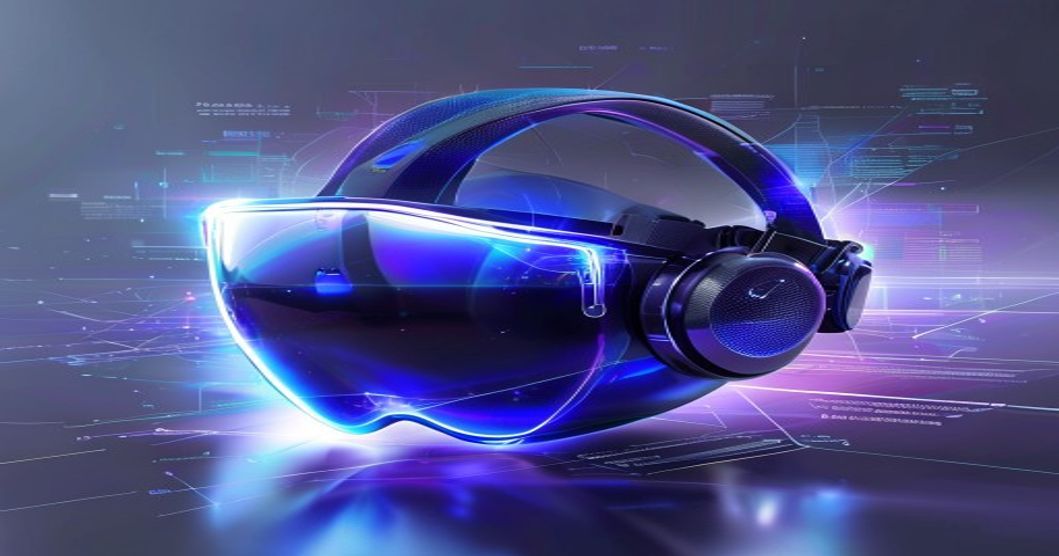
The world of technology is constantly evolving, pushing the boundaries of what’s possible and redefining our interaction with digital content. Among the most talked-about innovations recently is the Apple Vision Pro, a groundbreaking device that Apple has dubbed a “spatial computer.” Far more than just another AR/VR headset, the Vision Pro promises to seamlessly blend digital content with the physical world, offering an entirely new way to work, play, and connect.
When it debuted, the Vision Pro immediately captured global attention, not just for its ambitious vision but also for its distinctive approach to mixed reality. It represents a significant leap forward in merging our real-world surroundings with immersive digital experiences, signaling a potential paradigm shift in personal computing.
What Exactly is Apple Vision Pro?
At its core, the Apple Vision Pro is an augmented reality (AR) and virtual reality (VR) headset, but Apple prefers the term “spatial computer.” This distinction highlights its intent to create an operating system that operates within your physical space rather than just overlaying digital elements onto it. It’s designed to let users interact with apps, photos, videos, and more as if they were physically present in their environment, floating around them in three dimensions.
Powered by the custom VisionOS, a new operating system built from the ground up for spatial computing, the device is controlled entirely by a user’s eyes, hands, and voice. This intuitive input system aims to make the technology feel natural and unobtrusive, allowing users to focus on the content rather than the controls.
Key Innovations Driving the Experience
The Vision Pro is packed with cutting-edge technology that underpins its unique capabilities:
- Micro-OLED Displays: It boasts two ultra-high-resolution micro-OLED displays, one for each eye, delivering an astounding 23 million pixels in total. This provides an incredibly sharp and vibrant visual experience, making digital content appear remarkably lifelike.
- EyeSight Feature: A clever external display on the front of the device shows your eyes to people in your vicinity, making interactions feel more natural. When you’re fully immersed in VR, the display glows to indicate you’re unavailable.
- Advanced Sensor Array: A complex system of cameras and sensors maps the user’s environment, tracks hand movements, and precisely monitors eye gaze, enabling the seamless integration of digital objects into the real world.
- R1 and M2 Chips: The device is powered by a dual-chip design. The M2 chip handles the computational heavy lifting, while the custom R1 chip processes input from the cameras, sensors, and microphones in real-time to minimize latency and ensure a fluid experience.
- Spatial Audio: Integrated speakers deliver personalized spatial audio that adapts to your environment, making sounds appear to come from the correct direction within your physical space.
Transforming Everyday Interactions
The potential applications of the Apple Vision Pro span various aspects of our daily lives, from entertainment to productivity.
Entertainment Redefined
Imagine watching a movie on a screen that feels 100 feet wide, all from the comfort of your living room. The Vision Pro offers an unparalleled cinematic experience, immersing you in content like never before. Gaming takes on a new dimension as virtual characters and environments merge with your physical space, offering truly interactive gameplay.
Productivity and Creativity
For professionals, the Vision Pro could revolutionize workflows. Users can create multiple virtual displays of any size, positioning them anywhere in their environment. This eliminates the need for physical monitors, providing an expansive workspace for tasks ranging from coding and design to data analysis. Collaborative tools also benefit, allowing remote teams to interact with 3D models and presentations in a shared virtual space.
Enhanced Communication
FaceTime calls on the Vision Pro are transformed. Users appear as “Personas,” lifelike digital representations generated through advanced machine learning, allowing for more immersive and personal virtual interactions. It aims to bridge the gap between physical presence and remote communication.
Challenges and the Road Ahead
Despite its revolutionary potential, the Apple Vision Pro faces several challenges. Its premium price point makes it inaccessible to many, positioning it as a niche product for early adopters and developers. Initial concerns about comfort due to its weight and battery life (requiring an external battery pack) have also been noted. Furthermore, the success of spatial computing heavily relies on the development of a robust and diverse ecosystem of apps and experiences tailored specifically for VisionOS.
Apple’s entry into the spatial computing arena, however, is a clear signal of the technology’s long-term viability and importance. As hardware evolves, becoming lighter and more powerful, and as developers unlock new possibilities, spatial computing could fundamentally change how we interact with technology, information, and each other. The Vision Pro is not just a gadget; it’s a bold statement about the future of personal computing, opening doors to experiences we are only just beginning to imagine.