
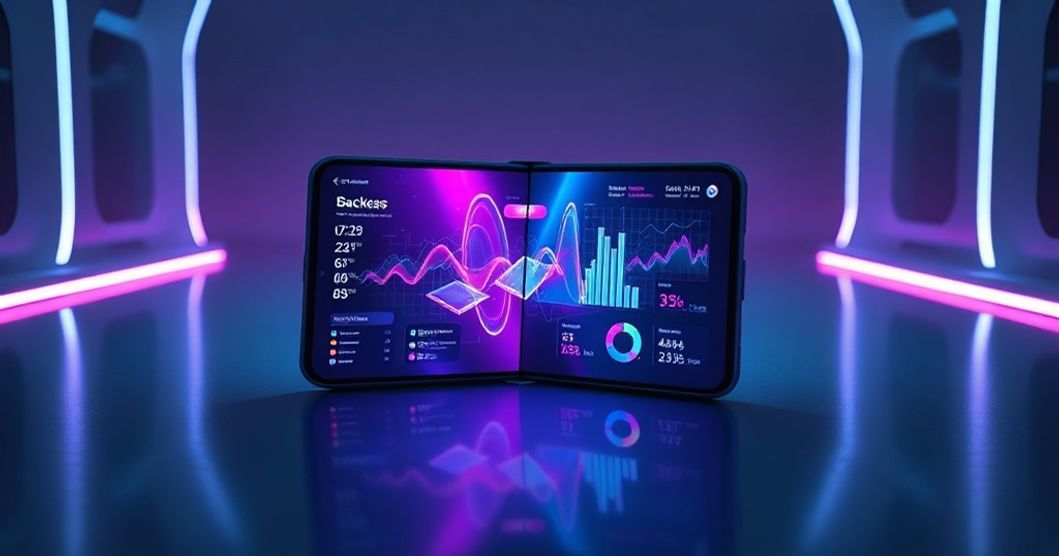
Remember when flip phones were the epitome of cool? The satisfying snap, the compact design – they were a blend of style and function. Fast forward a couple of decades, and the mobile world is witnessing a remarkable resurgence of this concept, but with a futuristic twist: foldable smartphones. What once seemed like a distant science fiction dream has now matured into a compelling reality, transforming how we interact with our most personal devices.
For years, the idea of a phone that could fold and unfold to offer a larger screen felt more like a novelty. Early iterations were plagued with concerns about durability, hinge mechanisms, and software optimization. However, recent technological leaps have dramatically refined these devices, pushing them from experimental curiosities to genuinely viable and increasingly popular choices for a wide range of users. Today’s foldable phones offer a powerful blend of portability, enhanced productivity, and immersive entertainment, making them one of the most exciting developments in consumer tech.
The Evolution of a Flexible Future
The journey of foldable smartphones has been anything but straightforward. Initial models, while groundbreaking, faced a steep learning curve. The delicate flexible displays, visible creases, and hefty price tags often overshadowed their innovative appeal. Early adopters were essentially beta testers, paving the way for the robust and elegant devices we see today.
Overcoming Initial Hurdles
Manufacturers have invested heavily in research and development to address these early challenges. Durability has seen significant improvements, with stronger glass alternatives (like ultra-thin glass) and more resilient polymer layers protecting the sensitive screens. The notorious crease, while still present in some form, has become far less noticeable in many newer models, often barely visible during normal use thanks to advanced hinge designs.
Design Innovations: Hinge and Display
The hinge mechanism, often called the “spine” of the foldable phone, is perhaps the most critical component. Modern hinges are engineering marvels, designed for millions of folds without compromising integrity. They’ve become slimmer, more robust, and often allow for multiple stopping points, enabling new use cases like “Flex Mode” for hands-free viewing. Coupled with breakthroughs in flexible OLED display technology, these phones now offer vibrant colors and crisp images across their expansive surfaces.
Why Foldables Matter Now
Beyond the “wow factor,” current foldable smartphones offer tangible benefits that resonate with modern digital lifestyles. They represent a significant paradigm shift in mobile computing, offering versatility that traditional rigid-screen phones simply cannot match.
Enhanced Productivity and Multitasking
One of the strongest arguments for a foldable phone is its ability to boost productivity. Unfold the device, and you’re greeted with a tablet-sized canvas perfect for multitasking. Running two or even three apps side-by-side becomes effortless, whether you’re taking notes during a video call, drafting emails while referencing documents, or managing your calendar alongside a project tracker. This larger workspace minimizes the need to constantly switch between apps, streamlining workflows for professionals and students alike.
The Entertainment Hub
For content consumption, foldables are a game-changer. That expansive internal screen transforms your portable device into a personal cinema. Watching movies, browsing photos, or playing graphics-intensive games becomes a far more immersive experience than on a standard smartphone screen. The ability to prop the phone up in various folded positions also makes hands-free viewing incredibly convenient, whether you’re on a plane or just relaxing at home.
Portability Meets Big Screens
Perhaps the most compelling feature is the paradox of having a large screen that fits comfortably in your pocket. Clamshell-style foldables, like the Samsung Galaxy Z Flip or Motorola Razr, fold down to incredibly compact sizes, offering a fashionable and highly portable form factor without sacrificing screen real estate when opened. Book-style foldables, such as the Samsung Galaxy Z Fold or Google Pixel Fold, provide a full smartphone experience when closed, then unfold to deliver a mini-tablet experience – true versatility in a single device.
Key Players and Their Approaches
The foldable market is heating up, with several major tech giants vying for supremacy. Samsung has been a pioneer, consistently refining its Galaxy Z Fold and Z Flip series, focusing on hinge durability and software optimization. Google entered the fray with the Pixel Fold, bringing its renowned software prowess and a wider aspect ratio that many prefer for external screen usage. More recently, brands like OnePlus with the Open have impressed with innovative hinge designs that minimize the crease and offer a premium user experience. Each manufacturer brings its unique take, driving innovation and offering consumers more diverse choices.
The Road Ahead
The future of foldable technology looks incredibly promising. We can expect further advancements in display durability, even less noticeable creases, and thinner, lighter designs. Battery life, often a concern due to the larger screens, will undoubtedly improve. Software optimization will also continue to evolve, unlocking even more intuitive and powerful ways to leverage the unique form factor.
Beyond Smartphones: The Future of Foldable Tech
The innovation isn’t limited to phones. Flexible display technology is already being explored for laptops, tablets, and even larger screens like TVs and monitors. Imagine a monitor that rolls up for easy transport or a laptop that folds into a compact size. The potential applications are vast, promising a future where our devices adapt to our needs in ways we’ve only just begun to imagine.
Foldable smartphones have confidently moved past their initial experimental phase. They are no longer just a glimpse into the future but a tangible, refined product offering unique benefits to users. As technology continues to advance and prices become more accessible, these versatile devices are set to play an increasingly central role in our digital lives, proving that sometimes, the best way forward is to fold.