
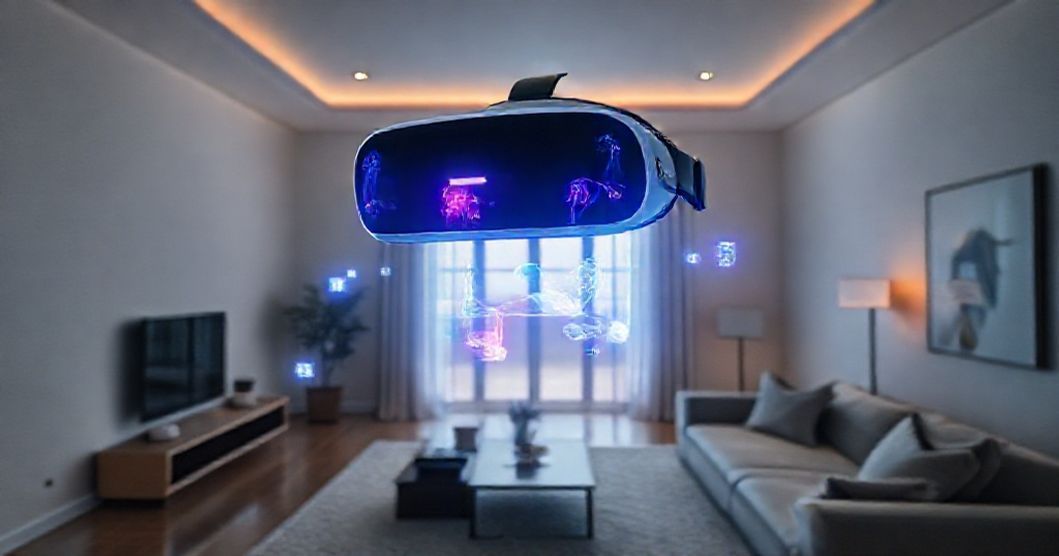
In a world increasingly accustomed to rapid technological advancements, Apple once again pushed the boundaries with the introduction of the Apple Vision Pro. Unveiled to much fanfare and released in early 2024, this device isn’t merely another virtual or augmented reality headset; Apple boldly positions it as a “spatial computer.” It represents a significant leap towards seamlessly blending digital content with our physical world, promising a revolutionary way to interact with technology and experience our daily lives. From professional applications to unparalleled entertainment, the Vision Pro aims to redefine what’s possible, marking a pivotal moment in the evolution of personal computing.
What Exactly is Spatial Computing?
At its core, spatial computing is a paradigm shift from traditional flat-screen interfaces. Imagine your computer applications, photos, and entertainment content not confined to a monitor or TV, but existing all around you, integrated into your physical environment. This is the essence of spatial computing. The Apple Vision Pro allows users to interact with digital elements that appear to float in their room, scale to any size, and respond to natural gestures. It’s about creating an infinite canvas where digital information overlays and enhances reality, making the digital world feel as tangible as the physical one. This innovation moves beyond the isolated experiences of virtual reality (VR) or the limited overlays of augmented reality (AR), striving for a more holistic and integrated experience.
Groundbreaking Features and Innovations
The Vision Pro is packed with cutting-edge technology that enables its spatial computing capabilities. Its design and engineering are a testament to Apple’s meticulous approach to user experience and hardware integration.
VisionOS: An Intuitive Operating System
Central to the Vision Pro experience is VisionOS, a brand-new operating system built from the ground up for spatial computing. It allows users to navigate and interact with apps using the most natural inputs possible: their eyes, hands, and voice. There are no external controllers needed, making the interaction feel remarkably intuitive and direct.
Revolutionary Eye and Hand Tracking
One of the most praised aspects of the Vision Pro is its advanced eye and hand tracking system. Users simply look at an app icon or element to select it, then perform a subtle pinch gesture with their fingers to “click.” This provides an incredibly fluid and almost magical way to control the interface, feeling less like operating a device and more like interacting directly with digital objects.
High-Resolution Displays and Passthrough Video
The Vision Pro boasts micro-OLED displays that pack more pixels than a 4K TV into each eye, delivering stunning visual fidelity. Crucially, it employs an advanced passthrough video system, using external cameras to stream a real-time view of the user’s surroundings. This isn’t just AR; it allows digital content to be seamlessly integrated into a high-definition view of your physical space, making the distinction between the real and virtual almost imperceptible. A digital crown allows users to control their level of immersion, transitioning between full immersion and a blend with their surroundings.
Immersive Spatial Audio
Custom-designed audio pods positioned near the user’s ears deliver Spatial Audio, creating a soundscape where audio appears to come from specific points in the environment. This enhances the sense of presence and realism, making digital objects sound like they are truly in the room with you.
Optic ID: Secure Biometric Authentication
For security, the Vision Pro introduces Optic ID, an iris-based authentication system. This ensures that personal data and purchases are secure, leveraging the unique patterns of a user’s iris for quick and reliable unlocking.
Transformative Use Cases
The potential applications of the Apple Vision Pro span a wide array of fields, promising to enhance how we work, play, and connect.
- Entertainment: Immerse yourself in movies on a massive virtual screen, experience breathtaking 3D films, or step into interactive virtual environments. Services like Disney+ offer exclusive immersive content.
- Productivity: Transform any space into a personalized workspace with multiple virtual monitors. Extend your Mac display into an expansive, infinite canvas, or manage several app windows simultaneously without physical limitations.
- Communication: Engage in FaceTime calls where participants appear as lifelike “Personas” in your space, offering a more engaging and personal connection than traditional video calls.
- Gaming: Experience games like never before, with titles that take advantage of the spatial environment, blending digital characters and scenarios into your living room.
Challenges and Considerations
Despite its groundbreaking innovations, the Vision Pro faces several hurdles that will influence its adoption and future development.
- Price Point: With a starting price of $3,499, the Vision Pro is a significant investment, positioning it as a premium device for early adopters and professionals rather than a mainstream consumer product.
- Weight and Comfort: Early reviews indicate that the device, while beautifully engineered, can feel heavy after extended use, potentially leading to discomfort. The external battery pack, while allowing for a lighter headset, adds a tether.
- Battery Life: The external battery pack offers approximately 2 to 2.5 hours of use, limiting its portability and requiring frequent recharging for prolonged sessions.
- App Ecosystem: While many existing iOS and iPadOS apps are compatible, the true potential of spatial computing will only be unleashed with a rich ecosystem of native VisionOS applications designed specifically for the platform. This will take time to develop.
- Social Acceptance: Wearing a headset for extended periods, especially in shared spaces, raises questions about social norms and interaction dynamics.
The Future of Spatial Computing
The Apple Vision Pro is not just a gadget; it’s a bold statement about the future of computing. It’s an ambitious first step into a world where digital content is no longer confined to flat screens but is an integral part of our three-dimensional reality. While current iterations may have limitations, the Vision Pro serves as a powerful development platform, inviting creators to imagine and build entirely new experiences. It lays the groundwork for lighter, more affordable, and more powerful spatial computers that could eventually replace traditional screens and redefine industries from education and healthcare to design and remote work.
The Vision Pro represents more than just a new product; it signals a fundamental shift in how we might interact with information and each other in the decades to come. It’s an exciting, albeit expensive, glimpse into a future where technology truly blends with our lives, offering unprecedented levels of immersion and interaction.