
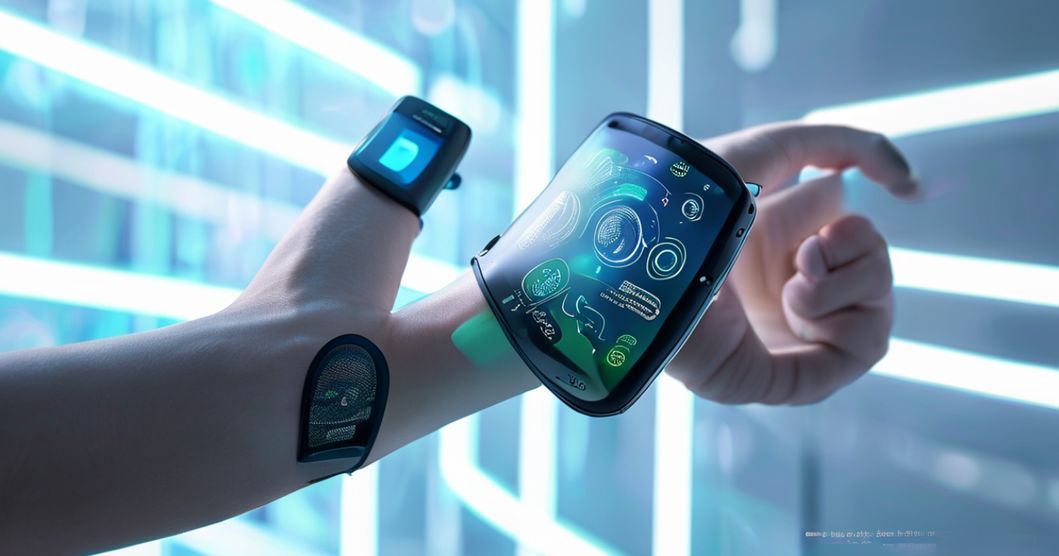
The pace of technological innovation continues to astound us, particularly in how it intersects with our personal well-being. Gone are the days when a watch simply told time, or a fitness tracker merely counted steps. Today, the gadgets we wear on our wrists and fingers are transforming into sophisticated health companions, offering unprecedented insights into our bodies and empowering us to take a proactive role in our health journeys. This evolution is not just about convenience; it’s about democratizing access to personal health data, making preventative care more accessible, and fostering a deeper understanding of our daily physiological rhythms.
Beyond Time-Telling: The Evolution of Smartwatches
Smartwatches have undergone a remarkable metamorphosis since their inception. What began as an extension of our smartphones, primarily for notifications and basic fitness tracking, has blossomed into a powerful suite of health monitoring tools. Modern smartwatches are equipped with an array of sensors capable of tracking everything from heart rate and blood oxygen levels to electrocardiograms (ECGs) and skin temperature. These devices are no longer just for athletes; they are for anyone keen to monitor their general wellness or keep an eye on specific health metrics.
Many popular models now boast features like fall detection, emergency SOS capabilities, and even irregular heart rhythm notifications, which can be crucial in detecting potential cardiovascular issues early. The data collected by these wearables offers a continuous, passive stream of information, far beyond what traditional doctor visits can provide. This consistent data can highlight trends, flag anomalies, and serve as a valuable resource for both individuals and their healthcare providers.
A Deeper Dive into Health Metrics
The true value of these advanced smartwatches lies in their ability to provide a comprehensive, real-time snapshot of your health. For instance, continuous heart rate monitoring can help identify stress patterns or optimize workout intensity. Blood oxygen saturation (SpO2) readings can offer insights into respiratory health, particularly useful during sleep or high-altitude activities. ECG functionality, often cleared by regulatory bodies in various countries, can detect signs of atrial fibrillation, a common heart rhythm disorder that often goes undiagnosed.
Emerging technologies in this space are pushing boundaries even further. Researchers and developers are actively working on non-invasive continuous glucose monitoring, which could revolutionize diabetes management, and more accurate wrist-based blood pressure measurements. These advancements promise to turn a daily accessory into an indispensable tool for managing chronic conditions and promoting overall longevity.
The Rise of Smart Rings: Discreet Health Companions
While smartwatches dominate the wearable health landscape, smart rings are carving out a significant niche, offering a more discreet and often more comfortable alternative for continuous health monitoring. These minimalist devices pack sophisticated sensors into a sleek, often stylish, form factor. Their smaller size and passive nature make them appealing to users who prefer not to wear a watch or want to avoid screen distractions.
Smart rings excel in areas like sleep tracking, heart rate variability (HRV), body temperature, and activity monitoring. Because they are worn on the finger, often closer to arterial blood flow, some argue they can provide even more accurate physiological data than wrist-based devices, particularly for metrics influenced by subtle skin temperature changes or micro-movements during sleep.
Why Choose a Smart Ring?
The appeal of smart rings extends beyond aesthetics. Their compact design often translates to longer battery life, sometimes lasting several days on a single charge, which is a significant advantage for uninterrupted data collection. For individuals focused on comprehensive sleep analysis, a smart ring can be less intrusive than a watch, providing detailed insights into sleep stages, disturbances, and overall sleep quality without the bulk or glow of a screen.
Moreover, the subtle nature of a smart ring means health data is collected continuously in the background, making it an effortless part of daily life. This “set it and forget it” approach encourages consistent usage, leading to richer, more reliable long-term health trends that can be incredibly valuable for personal wellness strategies.
The Impact on Personal Wellness and Preventative Care
The proliferation of advanced health wearables marks a pivotal shift in personal wellness. They empower individuals with actionable data, enabling them to make informed decisions about their lifestyle, exercise, diet, and stress management. This shift from reactive treatment to proactive prevention is a monumental change, allowing people to identify potential health issues before they escalate.
Beyond individual empowerment, these devices hold immense potential for the broader healthcare ecosystem. The data generated could support telemedicine consultations, facilitate remote patient monitoring for chronic conditions, and even contribute to large-scale public health research. As these technologies become more integrated and their data more robust, they could bridge the gap between personal health management and professional medical care, fostering a more connected and efficient approach to health and wellness worldwide.
Challenges and Considerations
Despite their transformative potential, health wearables are not without their challenges. Data privacy and security remain paramount concerns, as these devices collect highly sensitive personal information. Users must be diligent in understanding how their data is stored, shared, and protected. Furthermore, it’s crucial to remember that while advanced, these devices are generally not certified medical devices and should not replace professional medical advice or diagnoses. Their role is to provide insights and facilitate conversations with healthcare providers, not to self-diagnose or prescribe treatment.
The accuracy of readings can also vary between devices and depends on proper usage. Educating users on the limitations and best practices for their wearables is essential to harness their benefits responsibly. As the technology evolves, addressing these considerations will be vital to build trust and ensure the ethical and effective integration of these powerful tools into our daily lives.
As we look to the future, the integration of artificial intelligence and machine learning will further enhance the predictive capabilities of these wearables, moving beyond raw data to offer personalized health recommendations and early warnings. The journey of health wearables is just beginning, promising a future where our personal devices are not just extensions of our digital lives, but invaluable partners in maintaining our physical and mental well-being.