
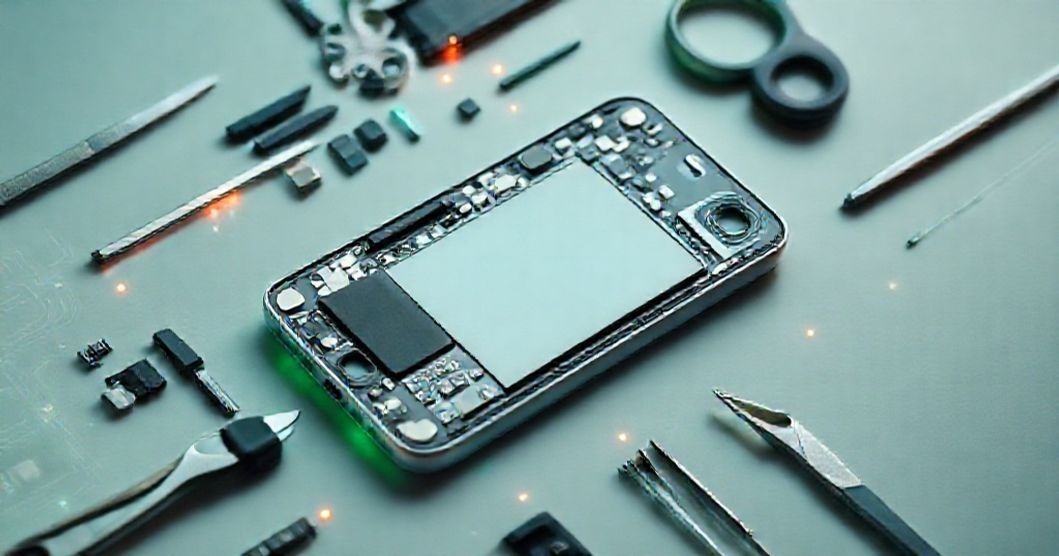
In an age dominated by rapid technological advancements, the allure of the latest gadget can be hard to resist. Yet, beneath the shiny surfaces and sleek designs lies a growing environmental crisis: electronic waste, or e-waste. Our insatiable demand for new devices, coupled with planned obsolescence – the intentional design of products to have a limited lifespan – has led to mountains of discarded electronics. These landfills overflow with toxic materials, polluting our planet and squandering precious resources. However, a transformative movement is gaining momentum, offering a beacon of hope: the rise of repairable technology. This isn’t just about fixing a broken screen; it’s about fundamentally rethinking how we design, consume, and value our tech.
Decoding Repairable Technology
At its core, repairable technology represents a paradigm shift from a linear “take-make-dispose” economy to a circular one. It champions longevity, resource efficiency, and consumer empowerment. But what exactly makes a gadget repairable?
What Makes a Gadget Repairable?
- Modular Design: Devices are built with components that can be easily removed, replaced, or upgraded using standard tools. This means a faulty battery or a worn-out port doesn’t necessitate replacing the entire device.
- Accessible Parts: Manufacturers make spare parts readily available and affordable to consumers and independent repair shops.
- Comprehensive Documentation: Detailed repair manuals, schematics, and diagnostic tools are provided, guiding users through the repair process.
- No Proprietary Roadblocks: Avoiding glued-in components, unique screws, and software locks that hinder third-party repairs.
Beyond these technical specifications, the philosophy behind repairable tech is about fostering a culture where repairing is not just possible, but encouraged. It’s about shifting mindsets from disposable consumption to responsible stewardship of our electronics.
Why Embrace Repairable Electronics?
The benefits of a repair-first approach extend far beyond just saving a few dollars on a new device. They touch upon critical environmental, economic, and social aspects.
Environmental Stewardship
The most immediate and profound impact of repairable technology is the reduction of e-waste. By extending the lifespan of devices, we lessen the demand for new manufacturing, which in turn reduces resource extraction, energy consumption, and carbon emissions. Fewer devices end up in landfills, meaning less pollution from hazardous materials like lead, mercury, and cadmium.
Economic Advantages
Embracing repairability offers significant financial relief to consumers. Instead of purchasing a new smartphone every two years, users can simply replace a battery or a camera module at a fraction of the cost. Furthermore, a thriving repair industry creates local jobs, fostering skilled labor and supporting small businesses. This contributes to a more robust, circular economy that prioritizes value retention over constant consumption.
Empowering the Consumer
For too long, consumers have been at the mercy of manufacturers when it comes to device repairs. Repairable tech hands power back to the user, allowing them to maintain, upgrade, and even personalize their gadgets without fear of voiding warranties or encountering prohibitive costs. It fosters a sense of ownership and independence, transforming users from passive consumers into active participants in their device’s lifecycle.
Trailblazers in the Repair Revolution
While the concept of repairable tech might seem radical to some, several companies are already leading the charge, proving that sustainability and innovation can go hand-in-hand.
Fairphone: The Ethical Smartphone
Fairphone, a Dutch social enterprise, has been at the forefront of ethical electronics since 2013. Their latest model, the Fairphone 5, is designed with modularity as its guiding principle. Users can easily replace up to ten different components, including the display, battery, cameras, and USB-C port, with just a standard screwdriver. Beyond repairability, Fairphone prioritizes sourcing conflict-free and ethically mined materials, and ensures fair wages and working conditions throughout its supply chain.
Framework Laptop: A PC Built to Evolve
In the computing world, Framework Laptop has revolutionized the personal computer. Their laptops are meticulously designed for user repairability and upgradeability. Every major component, from the display and keyboard to the motherboard and battery, can be easily swapped out. Even their unique “Expansion Card” system allows users to customize ports (USB-C, HDMI, Ethernet, etc.) on the fly. Framework challenges the notion that laptops must be disposable, offering a powerful argument for longevity and user control.
Industry Shifts and the Right-to-Repair Movement
The growing demand for repairable products has also spurred larger industry players to reconsider their strategies. Apple, long criticized for its closed ecosystem, has introduced a Self Service Repair program, offering parts and tools for some of its devices. Samsung has partnered with iFixit, a prominent advocate for the Right-to-Repair, to make genuine parts and repair guides available for certain models. Crucially, the global Right-to-Repair movement has gained significant traction, with new legislation emerging in the US and EU aimed at compelling manufacturers to make parts, tools, and information accessible to consumers and independent repair shops.
Navigating the Obstacles
Despite its undeniable benefits, the path to widespread repairable technology isn’t without its challenges. Manufacturers often cite concerns over intellectual property, safety, and the complexity of providing parts for every model. The initial investment in designing modular products can also be higher, potentially leading to slightly increased upfront costs for consumers. Moreover, changing deeply ingrained consumer habits and overcoming the “upgrade culture” will require sustained effort and education.
Your Role in a Sustainable Tech Future
As consumers, our choices hold immense power. By actively seeking out and supporting brands that prioritize repairability and ethical production, we send a clear message to the industry. Ask questions, read reviews about repair scores (like those from iFixit), and consider the longevity of a product before making a purchase. Advocating for Right-to-Repair legislation in your region can also accelerate this crucial shift. Every decision to repair rather than replace contributes to a more sustainable future for technology.
The Path Forward
The movement towards repairable technology is more than just a trend; it’s a fundamental reevaluation of our relationship with the gadgets we rely on daily. It promises a future where technology is not only advanced and innovative but also sustainable, ethical, and empowering for the user. As awareness grows and legislation catches up, the vision of a world where our electronics serve us longer, reduce waste, and truly respect our planet is becoming an increasingly tangible reality. The revolution of repair is here, and it’s set to reshape the tech landscape for the better.