
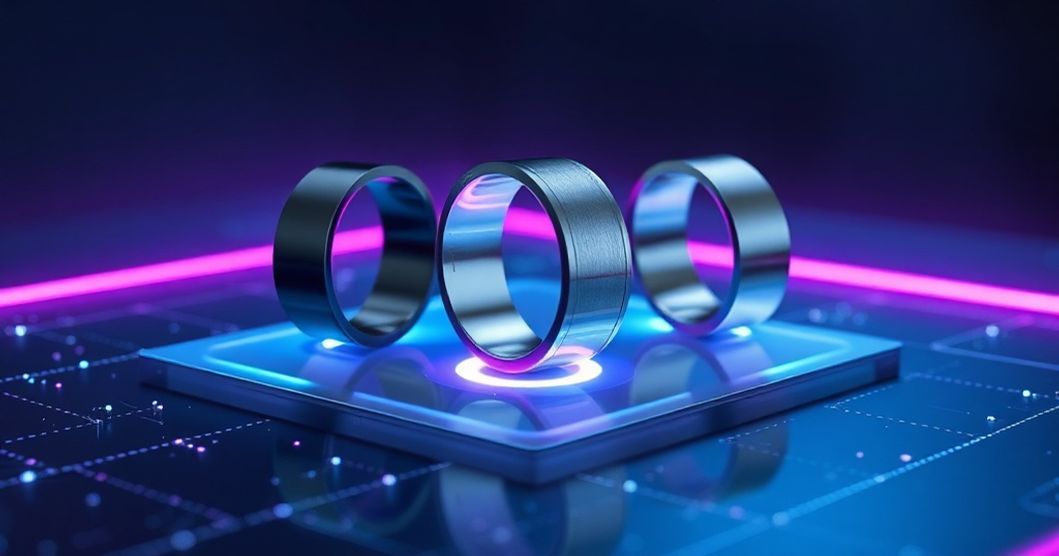
Wearable technology has seamlessly integrated into our daily lives, from smartwatches tracking fitness to AR glasses redefining perception. Yet, the quest for more discreet, powerful, and integrated devices continues. Enter the smart ring – a compact, elegant piece of technology bringing advanced functionalities right to your finger. Far from just a stylish accessory, these rings pack sensors and smart features, quietly revolutionizing how we interact with our digital world and monitor well-being.
The recent surge in interest, particularly with major players like Samsung, signals a pivotal moment for smart rings. They promise a blend of convenience, continuous data, and subtle interaction, positioning themselves as a compelling alternative or complement to existing wearables.
The Rise of Wearable Tech: Beyond the Wrist
Smartwatches long dominated wearable tech, offering features on our wrists. However, their size and obtrusive nature created a demand for something more subtle. Consumers increasingly seek technology that enhances lives without constant reminders, spurring innovation for miniaturized components in less conventional forms.
Smart rings perfectly embody this evolution. Shifting technology from wrist to finger leverages unique anatomical advantages for biometrics, offering unparalleled discretion and comfort. It’s a move towards invisible technology – powerful tools blending seamlessly into personal style and daily routines.
Key Features and Innovations in Smart Rings
Health and Fitness Tracking
At the core, smart rings offer sophisticated health and fitness monitoring. These tiny devices track an impressive array of biometrics: heart rate, heart rate variability (HRV), blood oxygen (SpO2), and skin temperature. They often achieve greater accuracy than wrist-worn devices due to better finger contact.
Sleep tracking is another standout, offering detailed insights into sleep stages, duration, and disturbances. This data helps users understand recovery, stress levels, and overall well-being. Examples include the Oura Ring, famed for holistic health scores, and the upcoming Samsung Galaxy Ring, set to integrate advanced wellness into Samsung Health.
Contactless Payments and Smart Access
Beyond health, smart rings transform everyday transactions and access. Many incorporate NFC (Near Field Communication), allowing secure contactless payments with a simple finger tap, eliminating the need for a wallet or phone.
Furthermore, smart rings can double as digital keys. Imagine unlocking your smartphone, laptop, smart home door, or car with a gesture or proximity. This adds security and streamlines access in an increasingly connected world.
Discreet Notifications and Control
While not for complex information like smartwatches, smart rings excel at discreet communication. They deliver subtle haptic feedback – gentle vibrations – to alert you to calls, messages, or reminders without needing a screen, allowing users to stay connected while remaining present.
Some rings offer gesture control for managing music, answering calls, or controlling smart home devices with simple hand movements. This hands-free interaction provides a futuristic and intuitive way to engage with technology.
Leading Players and Their Offerings
The nascent smart ring market boasts several innovators. The Oura Ring has long been a frontrunner, a benchmark for sleep and recovery tracking, favored by health enthusiasts for its deep analytical insights.
The Samsung Galaxy Ring’s announcement marks a significant shift, potentially bringing mainstream attention and democratizing the technology through vast ecosystem integration. Other players like Ultrahuman (metabolic health) and Movano Evie (women’s health) offer unique propositions, catering to diverse needs.
The Advantages of a Ring Form Factor
Smart rings appeal beyond features to their fundamental design. Their compact size makes them comfortable and aesthetically pleasing, blending seamlessly with traditional jewelry. Unlike bulkier smartwatches, they are less obtrusive and can be worn continuously, even during sleep, providing more consistent data.
The finger is an excellent location for biometric sensors, offering better contact with arteries. This leads to potentially more accurate readings for heart rate, blood oxygen, and skin temperature compared to the wrist. Continuous, high-fidelity data is crucial for meaningful health insights and personalized recommendations.
Challenges and Future Prospects
Despite their promise, smart rings face challenges. Price, especially for premium models with subscriptions, can be a barrier. User adoption requires educating consumers on benefits over existing wearables. Miniaturization limits battery life and complex features like screens, though haptic feedback and gesture controls mitigate this.
The future is bright. We anticipate more advanced sensor technology, like continuous blood pressure or glucose tracking. Enhanced AI integration will provide deeper, personalized health insights. As technology matures, expect seamless integration with AR devices, smart home ecosystems, and even professional healthcare, solidifying the smart ring’s role as an indispensable personal health and interaction hub.
The smart ring’s journey from niche gadget to mainstream contender is well underway. As design meets cutting-edge technology, these unassuming devices are poised to redefine our relationship with personal data and digital interaction. They offer a vision of technology that is powerful yet unobtrusive, effortlessly woven into the fabric of our lives, empowering us to live smarter, healthier, and more connected. It’s an exciting chapter in wearable innovation, promising a future where advanced capabilities are literally at our fingertips.