
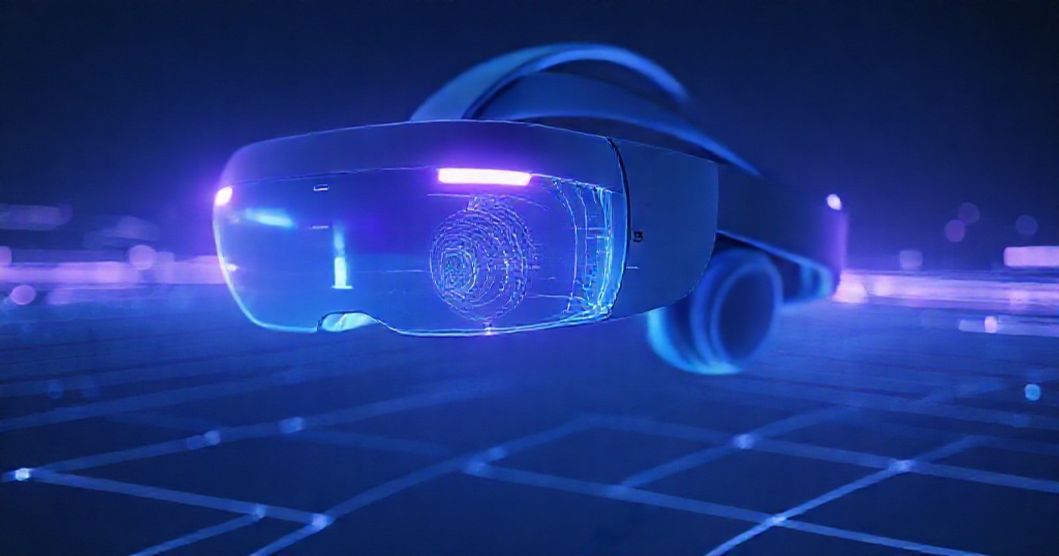
The world of technology is constantly evolving, pushing the boundaries of what’s possible and redefining our interaction with digital content. Among the most talked-about innovations of recent times is the Apple Vision Pro, a device that promises to usher in a new era of “spatial computing.” Far more than just another virtual reality headset, the Vision Pro aims to seamlessly blend digital content with your physical world, offering an immersive experience that feels both futuristic and intuitive.
What is Spatial Computing?
Before diving into the specifics of the Vision Pro, it’s crucial to understand the concept of spatial computing. Traditionally, we interact with digital information through screens – phones, tablets, or monitors. Spatial computing moves beyond these flat interfaces, allowing digital content to exist and interact within your physical space. Imagine watching a movie on a colossal virtual screen that feels like it’s floating in your living room, or pulling up multiple work windows that seamlessly hover around your real desk. This is the core promise of spatial computing: a three-dimensional interaction with technology that adapts to your environment.
Unpacking the Vision Pro’s Core Technology
Apple has poured significant engineering prowess into the Vision Pro, creating a device packed with groundbreaking features:
- VisionOS: At its heart is VisionOS, a brand-new operating system designed specifically for spatial computing. It allows users to navigate and interact with digital content using their eyes, hands, and voice, creating a fluid and natural experience.
- Stunning Displays: The Vision Pro boasts micro-OLED displays that pack 23 million pixels across two screens, delivering more pixels than a 4K TV to each eye. This results in incredibly sharp, vibrant visuals that make digital content look incredibly realistic.
- Advanced Sensors: A sophisticated array of cameras and sensors tracks your eyes, hands, and the surrounding environment with remarkable precision. This enables the device to understand your gestures and place digital objects accurately within your space.
- Dual-Chip Power: Powering this complex system are two Apple silicon chips: the M2 chip for uncompromised performance and the new R1 chip, which processes input from the cameras, sensors, and microphones in real-time, ensuring a lag-free, spatial experience.
- Spatial Audio: Custom-designed audio pods deliver personalized Spatial Audio, making sounds feel like they are coming from the environment around you, further enhancing the immersion.
A New Paradigm for Interaction and Entertainment
The potential applications of the Apple Vision Pro are vast and exciting, spanning across various aspects of daily life.
Revolutionizing Productivity and Collaboration
For professionals, the Vision Pro could transform the workspace. Imagine having an infinite canvas for your applications, allowing you to arrange multiple virtual monitors around your physical desk without the need for actual screens. Collaborate with colleagues in virtual environments, share 3D models, or conduct immersive presentations that feel like you’re all in the same room, regardless of your physical location.
Immersive Entertainment Like Never Before
Entertainment is another area set for a significant upgrade. Users can watch movies and TV shows on a virtual screen that expands to the perceived size of 100 feet wide, complete with Spatial Audio. Gaming could also reach new heights, with immersive experiences that blur the lines between the digital and physical worlds. Imagine a digital character interacting with your actual furniture.
Redefining Communication and Connection
Apple’s innovative “Persona” feature allows users to create realistic digital avatars that can be used for FaceTime calls. This brings a new dimension to video conferencing, making interactions feel more personal and present, even when you’re wearing the headset.
Challenges and the Road Ahead
While the Apple Vision Pro presents a captivating vision of the future, it’s not without its challenges. The initial price point places it firmly in the premium category, making it inaccessible for many. Battery life, weight, and comfort for extended use are also factors that will influence widespread adoption. Furthermore, the success of any new platform heavily relies on the development of a robust and compelling app ecosystem. Developers will need to innovate and create experiences that truly leverage the unique capabilities of spatial computing.
Despite these hurdles, the Vision Pro represents a monumental step forward in human-computer interaction. It’s not just an evolution of existing technology; it’s a bold redefinition. Apple’s entry into this space lends significant credibility and resources to the development of spatial computing, potentially accelerating its journey from niche technology to mainstream necessity. As developers explore its capabilities and future iterations address current limitations, the Apple Vision Pro could indeed be the device that truly unlocks the potential of a world where digital and physical realities seamlessly intertwine.