
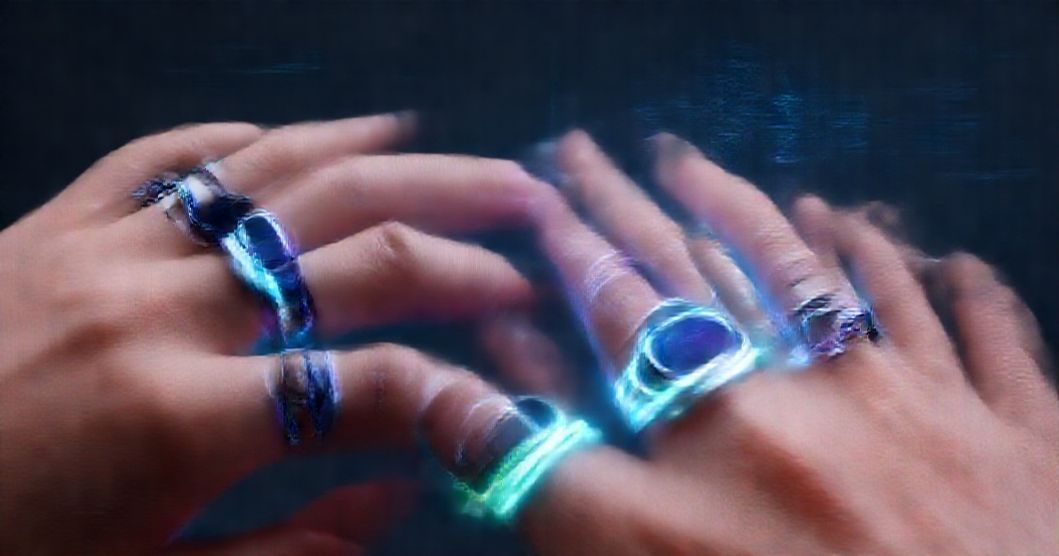
In the rapidly evolving landscape of personal technology, a new player is emerging from the shadow of smartwatches: the smart ring. These discreet, fashionable devices are packing an impressive array of sensors and capabilities into a form factor that’s both elegant and unobtrusive. Far from being a mere novelty, smart rings are carving out a significant niche, promising to redefine how we interact with technology and monitor our well-being.
For years, smartwatches dominated the wearable tech conversation, offering notifications, fitness tracking, and more on our wrists. However, their bulkiness and need for frequent charging sometimes hinder universal appeal. Enter the smart ring – a minimalist yet powerful alternative designed for seamless integration into daily life, often going unnoticed until its features are called upon. This innovation isn’t just about shrinking technology; it’s about making it disappear into our lives more gracefully.
What Exactly is a Smart Ring?
A smart ring is essentially a miniaturized computer worn on your finger, equipped with various sensors, a small processor, and often Bluetooth connectivity. Unlike smartwatches with their elaborate displays, smart rings typically prioritize discretion and long battery life. Their primary function often revolves around health monitoring, contactless payments, and subtle notifications, all without the need for a screen on the device itself.
The appeal of smart rings lies in their ability to provide valuable data and convenience without the constant visual distraction of a screen. They blend seamlessly with traditional jewelry, offering technology in a package that’s as much about personal style as it is about functionality. This subtle integration is a key differentiator in the crowded wearable market.
Key Features and Capabilities
The technology packed into these tiny bands is continually advancing, offering a compelling suite of features:
- Advanced Health Tracking: Many smart rings excel in health monitoring, thanks to their close proximity to the skin and arteries on the finger. They can accurately track heart rate, heart rate variability (HRV), sleep patterns (including stages like REM and deep sleep), body temperature, and activity levels. Some even offer blood oxygen saturation (SpO2) monitoring.
- Contactless Payments: Integrating NFC (Near Field Communication) technology, smart rings can transform your finger into a payment method. A simple tap at a compatible terminal allows for quick and secure transactions, eliminating the need to fumble for your phone or wallet.
- Smart Home & Device Control: Certain rings can act as remote controls for smart home devices, allowing users to turn lights on or off, adjust thermostats, or even unlock doors with a gesture or tap. They can also be used for controlling music playback on connected devices.
- Notifications and Alerts: While screenless, smart rings can provide subtle haptic feedback (vibrations) for incoming calls, messages, or calendar alerts, keeping you informed without interrupting your flow.
- Security and Access: Some smart rings offer biometric authentication or act as digital keys, providing secure access to computers, smart locks, or even vehicles.
The Advantages of Finger-Worn Tech
Smart rings offer several distinct advantages that make them an attractive option for a growing number of consumers:
- Discretion and Aesthetics: Their primary allure is their minimalist design. They look like regular rings, appealing to those who prefer not to wear a bulky device on their wrist or who want technology that complements their style rather than dominates it.
- Comfort and Convenience: Many users find rings more comfortable to wear 24/7, especially during sleep. They are less likely to interfere with clothing or daily activities compared to smartwatches.
- Extended Battery Life: Due to their lack of a power-hungry screen, smart rings typically boast significantly longer battery lives, often lasting several days to over a week on a single charge.
- Enhanced Data Accuracy: The finger’s unique physiology, with its direct blood flow and consistent placement, can sometimes offer more accurate readings for vital signs like heart rate and body temperature compared to wrist-based devices.
Challenges and Future Outlook
Despite their promise, smart rings face certain challenges. The absence of a screen means all feedback is through haptics or a companion app, which might not suit everyone. Functionality is also generally more limited than that of a full-fledged smartwatch. Durability, sizing, and ensuring a comfortable fit for all finger types are also ongoing considerations for manufacturers.
However, the future for smart rings looks incredibly bright. We can anticipate even more advanced sensor technology, including continuous glucose monitoring or blood pressure tracking. Deeper integration with AI for personalized health insights and proactive wellness advice is also on the horizon. Furthermore, as manufacturing processes evolve, prices are likely to become more accessible, pushing these discreet gadgets into the mainstream.
Leading players like Oura have already established a strong presence in health tracking, while others are focusing on payment or security applications. The market is ripe for innovation, and new entrants are constantly pushing the boundaries of what’s possible in such a small form factor.
Ultimately, smart rings are not necessarily meant to replace smartwatches but rather to offer a complementary or alternative option for those who prioritize subtlety, comfort, and focused functionality. They represent a significant step towards a future where technology is not just powerful but also seamlessly integrated into the fabric of our everyday lives, almost invisible, yet undeniably impactful. As these devices continue to evolve, they promise to unlock new ways for us to understand our bodies, simplify our interactions, and enhance our overall well-being, all from the comfort of our fingertips.