
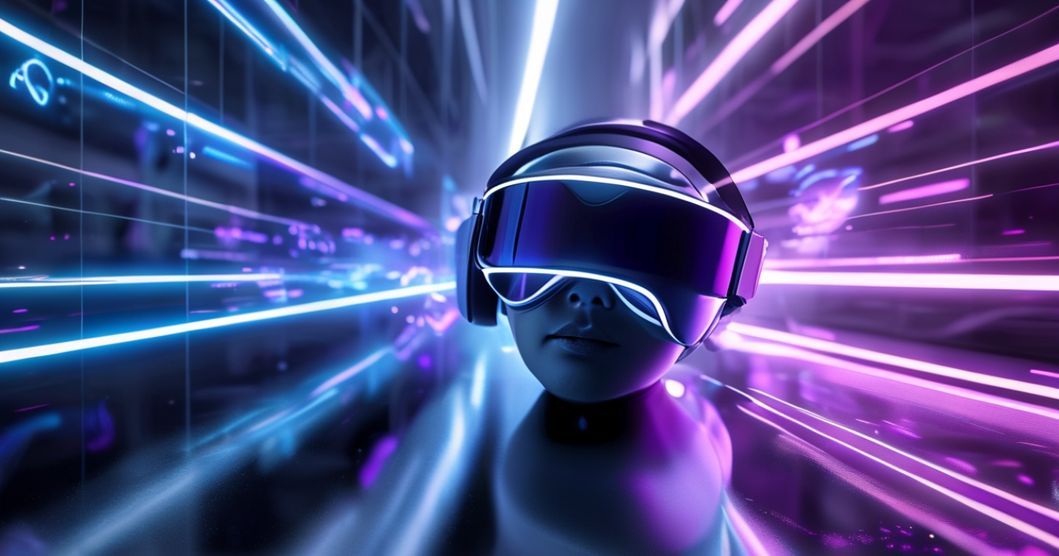
In a world increasingly shaped by digital experiences, Apple has once again pushed the boundaries of what’s possible with the introduction of the Apple Vision Pro. Billed as a “spatial computer,” this revolutionary device aims to seamlessly blend digital content with the physical world, offering an unprecedented new way to interact with technology. Far beyond a mere VR headset, the Vision Pro represents a significant leap towards a future where our digital lives are no longer confined to flat screens, but integrated directly into our environment.
What is Spatial Computing?
At its core, spatial computing reimagines how we use computers. Instead of looking at a screen, you’re looking through a screen, where applications and digital objects appear to float naturally in your physical space. The Apple Vision Pro achieves this by integrating advanced cameras, sensors, and displays to create a sophisticated mixed-reality experience. It’s not just about overlaying digital information; it’s about making that information feel intrinsically part of your surroundings, allowing for intuitive interactions with your eyes, hands, and voice.
The Hardware That Powers the Magic
The technological prowess behind the Vision Pro is truly remarkable. Apple has packed an incredible array of components into a sleek, albeit somewhat substantial, form factor.
- Dual Micro-OLED Displays: Each eye sees more pixels than a 4K TV, delivering stunning clarity and vibrant colors. This high resolution is critical for minimizing the “screen door effect” often associated with VR headsets, making digital content appear incredibly crisp and lifelike.
- Advanced Camera System: Multiple cameras and sensors constantly map your environment, track your hand movements, and understand your gaze. This allows for precise placement of virtual objects and natural, intuitive control without physical controllers.
- M2 and R1 Chips: The Vision Pro is powered by two formidable chips. The M2 chip handles the immense computational demands of rendering high-resolution graphics and running applications, while the custom R1 chip is dedicated to processing input from the cameras, sensors, and microphones in real-time. This dual-chip architecture ensures virtually no lag, providing a smooth and responsive experience.
- Optic ID: A secure authentication system that uses infrared imaging to analyze your iris, similar to Face ID on iPhones.
A New Operating System: VisionOS
To orchestrate this intricate hardware, Apple developed VisionOS, a custom operating system built on the foundations of macOS, iOS, and iPadOS. VisionOS is designed from the ground up for spatial computing, enabling users to navigate with an entirely new paradigm.
- Eye Tracking: Simply by looking at an app icon or an interface element, you can select it.
- Hand Gestures: Pinching your fingers to click, flicking to scroll, or expanding your hands to resize windows are among the natural gestures used for interaction.
- Voice Control: Siri integration allows for hands-free commands and dictation.
This controller-free interaction method aims to make the technology feel less intrusive and more like a natural extension of yourself.
Transforming Entertainment and Productivity
The potential applications of the Apple Vision Pro span across various aspects of daily life.
Immersive Entertainment
Imagine watching a movie on a screen that feels 100 feet wide, perfectly integrated into your living room, or being fully immersed in a 3D cinematic experience. The Vision Pro transforms personal entertainment, offering environments that transport you to different locations or simply provide a distraction-free viewing space. Gaming also receives a massive boost, with developers exploring new ways to create interactive and engaging spatial experiences.
Redefining Productivity
For professionals, the Vision Pro could revolutionize the workspace. Instead of being limited by the size of your physical monitor, you can create an infinite virtual canvas. Arrange multiple app windows, browse the web, collaborate on documents, and attend virtual meetings, all floating seamlessly around you. Designers could manipulate 3D models directly in their space, engineers could visualize complex schematics, and architects could walk through their designs before they are even built.
Connecting in New Ways
Communication also takes on a new dimension. FaceTime calls on Vision Pro utilize “Personas” – realistic digital representations of users generated by the headset’s external cameras. This aims to create a more engaging and personal connection, making remote interactions feel more present and less distant.
Challenges and the Road Ahead
Despite its groundbreaking features, the Apple Vision Pro faces several hurdles. Its premium price point makes it inaccessible for many consumers, positioning it initially as a niche product for early adopters and developers. Battery life, currently limited to a few hours and requiring an external battery pack, presents a practical challenge for extended use. Furthermore, comfort and weight are ongoing considerations for any head-mounted device. The success of the Vision Pro will also heavily depend on the development of a robust and compelling app ecosystem, which Apple is actively fostering.
The Apple Vision Pro is more than just another gadget; it’s a bold statement about the future of computing. While it may take time for spatial computing to become mainstream, this device lays a crucial foundation. It invites us to imagine a world where technology augments our reality in profound ways, changing how we work, play, and connect. The journey into spatial computing has just begun, and the Vision Pro stands as a powerful testament to Apple’s vision for what comes next.