
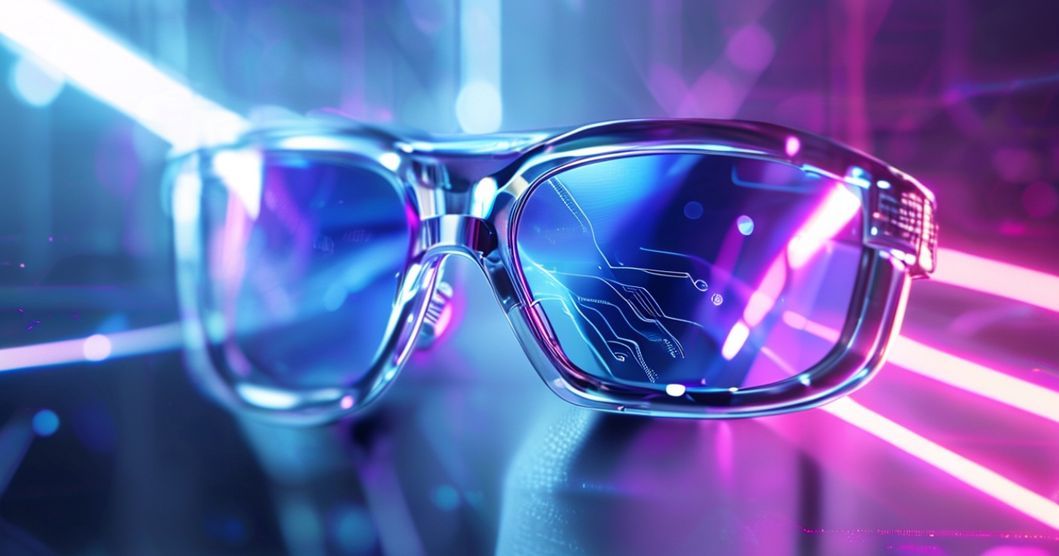
In a world increasingly defined by digital connectivity, the quest for seamless interaction with technology continues unabated. From smartphones to smartwatches, we’ve integrated devices deeply into our daily lives. Now, a new frontier is emerging, one that promises to blend the digital and physical realms with unprecedented subtlety: AI-powered smart glasses. These innovative wearables are not just about seeing the world; they’re about experiencing it with an intelligent layer of information, communication, and assistance, all without lifting a finger.
Imagine having a personal assistant, a camera, and a communication device discreetly integrated into your eyewear. This isn’t science fiction anymore. AI-powered smart glasses are quickly evolving from niche gadgets to potential mainstream game-changers, offering a glimpse into a future where technology is truly an extension of ourselves, enhancing our perception and interaction with the world around us.
What Are AI-Powered Smart Glasses?
At their core, AI-powered smart glasses are spectacles equipped with embedded technology, including cameras, microphones, speakers, and most critically, artificial intelligence capabilities. Unlike bulky virtual reality (VR) or augmented reality (AR) headsets that aim for immersive experiences, smart glasses prioritize discretion and integration into everyday fashion. Their primary goal is to provide hands-free access to information, communication, and media, subtly enhancing your reality rather than replacing it.
The “AI-powered” aspect is crucial. It means these glasses can understand voice commands, process visual information from their integrated cameras, and even offer proactive assistance. They move beyond simple display devices, becoming intelligent companions that can interpret your surroundings and respond contextually, making them a significant leap in wearable technology.
Key Innovations and Features Driving the Revolution
The rapid advancement in miniaturization and AI algorithms has unlocked a plethora of impressive features in these futuristic frames:
- Voice AI Integration: At the heart of most smart glasses is a sophisticated voice assistant. Whether it’s Meta AI, Alexa, or another proprietary system, users can issue commands, ask questions, and control features purely through voice, keeping their hands free.
- Hands-Free Communication: Built-in microphones and directional speakers (often bone-conduction or open-ear audio) allow for private calls and audio playback without disturbing those around you. It’s like having discreet earbuds always ready.
- Integrated Cameras and Live Streaming: Many models include small, high-quality cameras capable of capturing photos and videos from your unique first-person perspective. Some even support live streaming directly to social media, offering an authentic “in-the-moment” content creation experience.
- Real-time Information Overlay (Subtle AR): While not full-blown AR, some smart glasses can display notifications, directions, or other pertinent information directly within your field of vision, appearing as a subtle overlay without obstructing your view.
- Language Translation: Imagine traveling abroad and having your glasses provide real-time translations of conversations or signs. This feature is a powerful application of integrated AI and vision processing.
- Potential for Health Monitoring: Future iterations could integrate sensors for tracking vital signs, activity levels, or even eye health, providing passive, continuous health insights.
Current Players and Examples in the Market
Several tech giants are already making significant strides in the smart glasses arena:
- Ray-Ban Meta Smart Glasses: A collaboration between Meta and Luxottica, these glasses are arguably the most prominent example. They feature a high-quality camera, open-ear audio, and direct integration with Meta AI, allowing users to take photos, videos, answer calls, and interact with the AI assistant using natural language commands. They seamlessly blend iconic design with advanced technology.
- Amazon Echo Frames: Designed more for audio and Alexa integration, these frames offer a hands-free way to interact with Amazon’s voice assistant, make calls, and listen to audio, all while looking like regular glasses.
- Future Outlook: Companies like Apple are heavily invested in spatial computing, which hints at more advanced AR glasses down the line. The trajectory is clear: more powerful AI, more sophisticated displays, and greater integration with our digital lives.
Benefits for Everyday Life
The practical applications of AI-powered smart glasses are vast and promising:
- Enhanced Productivity: Receive notifications, manage your calendar, or get quick information without pulling out your phone, keeping your focus on the task at hand.
- Seamless Connectivity: Stay connected with friends, family, or colleagues through discreet calls and messages, always accessible without fumbling for a device.
- Improved Accessibility: For individuals with certain disabilities, smart glasses can offer invaluable assistance, from real-time transcription to navigation aids.
- Creative Content Creation: Capture life’s moments from a truly first-person perspective, creating authentic and immersive content effortlessly.
Challenges and Considerations Ahead
Despite their exciting potential, AI-powered smart glasses face several hurdles:
- Privacy Concerns: The integration of cameras raises significant privacy issues, both for the wearer and for those being recorded. Clear ethical guidelines and transparent usage policies are paramount.
- Battery Life: Powering cameras, AI processors, and communication modules in a small form factor remains a challenge, often leading to limited battery life.
- Social Acceptance: As with any new technology worn on the face, social acceptance will be key. Overcoming the “glasshole” perception is crucial for mainstream adoption.
- Cost and Availability: Early adopter pricing can be a barrier for many, though costs are expected to decrease as the technology matures.
The Road Ahead: What’s Next?
The future of AI-powered smart glasses is ripe with possibilities. We can anticipate even greater miniaturization, making them indistinguishable from regular eyewear. Advanced augmented reality capabilities will move beyond simple notifications to sophisticated, contextual information overlays that truly enhance our interaction with the physical world. Broader AI integration will allow for more proactive assistance, learning user habits and preferences to offer truly personalized experiences. As interfaces become more intuitive and design blends seamlessly with technology, smart glasses are poised to become an indispensable tool, subtly weaving the digital fabric into the very way we perceive and engage with our surroundings.
The journey of smart glasses is just beginning, but their potential to redefine how we interact with technology and the world is undeniable. They represent a significant step towards a future where technology is not just in our pockets or on our wrists, but intelligently integrated into our vision, offering a clear, hands-free path to enhanced living.