
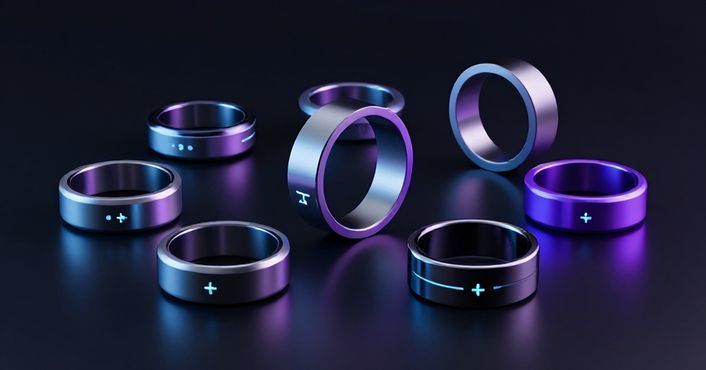
In the rapidly evolving world of wearable technology, a new contender is quietly making its mark: the smart ring. Moving beyond the bulk of smartwatches and fitness bands, these diminutive devices are packing sophisticated sensors and capabilities into an elegant, discreet form factor. They represent a significant shift, offering a more integrated and less intrusive way to track health, manage daily tasks, and interact with the digital world. As innovation continues to miniaturize powerful technology, smart rings are emerging as a compelling option for those seeking valuable insights without sacrificing style or comfort.
The Discreet Power of Smart Rings
Smart rings are designed to be worn continuously, blending seamlessly into daily life. Unlike their smartwatch counterparts, they forgo large displays for subtle indicators and rely on companion smartphone apps for detailed data visualization. This design philosophy emphasizes passive monitoring and comfort, making them ideal for tracking metrics that benefit from continuous, uninterrupted data collection, such as sleep and recovery.
Core Features and Functionality
Despite their small size, smart rings are engineered to perform a surprising array of functions:
- Advanced Health Tracking: Most prominently, smart rings excel at monitoring vital health statistics. This includes continuous heart rate tracking, heart rate variability (HRV), skin temperature sensing, blood oxygen (SpO2) levels, and detailed sleep analysis (stages, duration, efficiency). Some even offer activity tracking, step counting, and calorie expenditure estimates.
- Payment and Access: Equipped with Near Field Communication (NFC) technology, many smart rings can facilitate contactless payments, allowing users to tap and pay without reaching for their wallet or phone. This feature also extends to digital keys for smart locks or access control systems.
- Subtle Notifications: While they lack a screen, some rings can provide haptic feedback (vibrations) for incoming calls, messages, or calendar alerts, offering a discreet way to stay informed without constant screen checks.
- Gesture Control (Emerging): Future iterations promise more advanced gesture recognition, potentially allowing users to control smart home devices, music playback, or even navigate presentations with simple hand movements.
Why Smart Rings are Gaining Momentum
The appeal of smart rings extends beyond their technical capabilities, tapping into a desire for more mindful and less distracting technology.
Unparalleled Comfort and Design
One of the primary advantages of smart rings is their ergonomic design. They are lightweight, often waterproof, and built for 24/7 wear, making them exceptionally comfortable for sleeping, showering, and exercising. Their sleek, often minimalistic aesthetics mean they complement any style, appealing to users who find traditional smartwatches too bulky or visually prominent.
Extended Battery Life
Without power-hungry screens, smart rings typically boast significantly longer battery lives than smartwatches. Many can last for several days, even up to a week, on a single charge, reducing the frequency of recharging and ensuring continuous data collection, particularly critical for uninterrupted sleep tracking.
Focus on Deep Health Insights
Smart rings often prioritize in-depth analysis of specific health metrics, particularly sleep quality and recovery. By collecting continuous data, they can provide a more holistic view of a user’s physiological state, offering actionable insights into readiness for activity, stress levels, and overall well-being. This focused approach differentiates them from the broader, often overwhelming, feature sets of smartwatches.
Leading the Charge: Notable Smart Ring Innovators
The smart ring market, while nascent, is already seeing significant innovation.
The Oura Ring is arguably the most recognized player, having pioneered the market with its focus on sleep, recovery, and readiness scores. It has garnered a loyal following for its accurate sensor data and comprehensive app interface, becoming a benchmark for health-focused smart rings.
More recently, tech giants are entering the fray. Samsung’s Galaxy Ring, announced to much anticipation, promises to integrate seamlessly with the Samsung Health ecosystem, leveraging the company’s vast experience in mobile and wearable technology. This entry is expected to significantly boost market awareness and drive further innovation within the category.
Other companies like Ultrahuman and Movano Health are also contributing, each bringing unique propositions, from metabolic health tracking to women’s health monitoring, further diversifying the landscape of smart ring capabilities.
Challenges and the Path Ahead
Despite their promise, smart rings face challenges. Data accuracy, especially across different body types and activities, remains an ongoing area of research and improvement. The lack of a visual display means users are reliant on their smartphones for interaction, which can be a drawback for those seeking immediate, on-device feedback. Cost can also be a barrier, as premium smart rings often come with a price tag comparable to or exceeding entry-level smartwatches.
However, the future looks bright. As sensor technology improves and miniaturizes further, we can expect smart rings to become even more powerful and versatile. Enhanced AI for predictive health insights, more sophisticated gesture controls, seamless integration with smart home devices, and broader adoption of contactless features are all on the horizon. The focus will likely remain on providing rich, actionable data in the most unobtrusive way possible.
Who Benefits Most from Smart Rings?
Smart rings are particularly appealing to a diverse group of individuals:
- Health and Fitness Enthusiasts: Those keen on detailed sleep analysis, recovery metrics, and understanding their body’s readiness for performance.
- Minimalists: Individuals who prefer subtle technology that doesn’t draw attention or add bulk.
- Fashion-Conscious Users: People who want the benefits of wearable tech without compromising their personal style.
- Privacy Seekers: The discreet nature allows for health tracking without the constant notifications and screen time associated with smartwatches.
- Everyday Users: Anyone looking for convenient contactless payments and subtle notifications without the distraction of a full smartwatch.
Smart rings are carving out a distinct niche in the wearable technology market. By prioritizing subtlety, comfort, and focused health insights, they offer a compelling alternative to traditional wearables. As these devices continue to evolve, integrating more sophisticated sensors and expanding their functionalities, they are poised to become an indispensable tool for personal health management and seamless daily interaction, proving that sometimes, the most powerful technology comes in the smallest packages.