
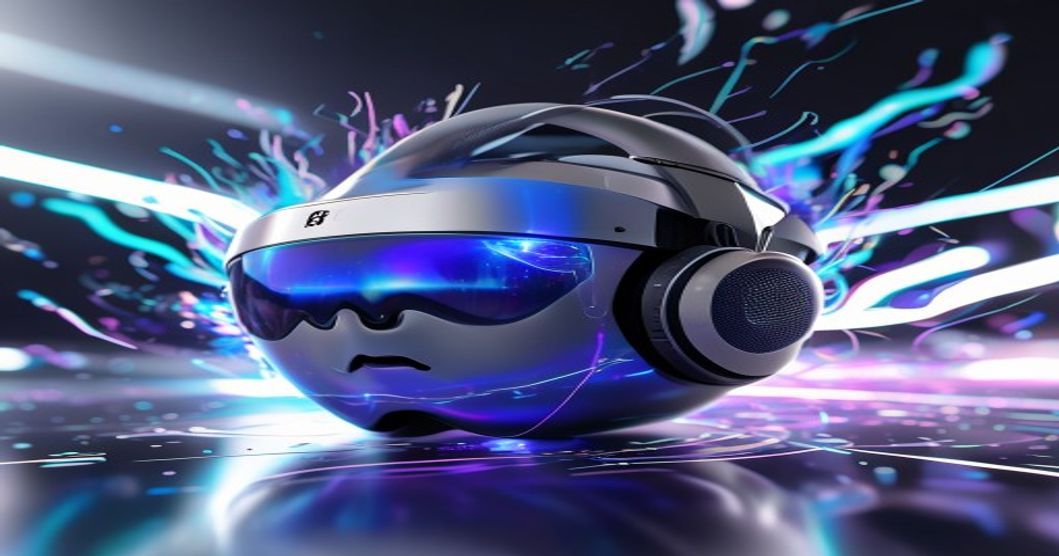
The world of technology is constantly evolving, presenting us with innovations that redefine how we interact with the digital realm. Among the most talked-about recent developments is the introduction of the Apple Vision Pro, a groundbreaking device that Apple refers to as a “spatial computer.” This isn’t just another gadget; it’s a bold vision for the future of personal technology, promising to seamlessly blend digital content with the physical world in ways previously only imagined in science fiction.
What is Spatial Computing?
At its core, the Apple Vision Pro introduces us to the concept of spatial computing. Unlike traditional computers that display content on a flat screen, spatial computing allows digital content to exist and interact within your physical space. Imagine your favorite apps floating freely around your living room, or a massive virtual display for work that extends beyond the confines of any monitor. The Vision Pro aims to make this a reality, offering an immersive experience where the digital world is no longer confined but becomes an extension of your environment.
This paradigm shift promises to transform everything from how we work and play to how we connect with others. It moves beyond the fixed screens of smartphones, tablets, and laptops, offering an infinite canvas for creativity and productivity that is limited only by the space around you.
Key Features and Groundbreaking Technologies
The Apple Vision Pro is a marvel of engineering, packed with advanced technologies designed to deliver an unparalleled experience:
- Revolutionary Displays: At the heart of the Vision Pro are two micro-OLED displays, each boasting more pixels than a 4K TV for each eye. This delivers an incredibly sharp and vibrant visual experience, making digital content look lifelike and seamlessly integrated into your view of the real world.
- Dual-Chip Powerhouse: The device is powered by a unique dual-chip design. The M2 chip provides the incredible performance needed for demanding applications, while the custom-built R1 chip is dedicated to processing input from the 12 cameras, five sensors, and six microphones, ensuring an almost instantaneous, lag-free passthrough of the real world and real-time spatial mapping.
- Intuitive Interaction: Forget controllers or complex gestures. The Vision Pro is designed for natural interaction. You navigate by simply looking at elements, selecting with a subtle pinch of your fingers, and dictating text with your voice. This eye-tracking and hand-gesture system feels remarkably intuitive and makes interacting with the spatial environment feel almost magical.
- visionOS: Apple developed an entirely new operating system, visionOS, specifically for spatial computing. It’s built on the foundations of iOS, iPadOS, and macOS, ensuring a familiar yet entirely new user experience. Developers can leverage existing tools to create new apps and experiences that take full advantage of the spatial canvas.
- Seamless Passthrough and EyeSight: The device features an advanced passthrough system that allows you to see the real world clearly while digital content is overlaid. A unique feature called EyeSight displays your eyes to people in the room when you are not fully immersed, and indicates when you are engrossed in an app, helping you stay connected to your surroundings.
Transforming the User Experience
The promise of the Vision Pro lies in its potential to revolutionize daily activities:
Entertainment Like Never Before
Imagine watching a movie on a screen that feels 100 feet wide, right in your living room, or experiencing immersive games where the digital world blends with your physical space. The Vision Pro offers an unparalleled entertainment hub, allowing users to transform any space into a personal cinema or a dynamic gaming arena. It can transport you to new environments, from the surface of the moon to a tranquil beach, enhancing relaxation and escapism.
Unlocking New Levels of Productivity
For professionals, the Vision Pro could be a game-changer. Instead of being limited by physical monitor sizes, users can create an infinite workspace with multiple virtual displays floating around them. This allows for unparalleled multitasking, whether you’re managing complex spreadsheets, collaborating on creative projects, or simply browsing the web with multiple windows open simultaneously. The ability to bring 3D models into your physical space for review and manipulation opens new avenues for design and engineering.
Enhanced Communication and Connection
While the initial perception might be isolating, the Vision Pro aims to foster new forms of connection. FaceTime calls become more personal with realistic digital personas (Spatial Personas) that mirror your facial expressions and hand movements, making video calls feel more like in-person interactions. This feature strives to bridge the gap between physical and virtual presence.
Challenges and the Road Ahead
Despite its groundbreaking nature, the Vision Pro faces several hurdles. Its premium price point makes it an aspirational device rather than a mainstream one for now. The weight and battery life (requiring an external battery pack) are also considerations for extended use. Furthermore, the success of any new platform hinges on the developer ecosystem. Apple is banking on developers to create compelling applications that will drive adoption and showcase the true potential of spatial computing.
As with any nascent technology, widespread adoption will take time. However, the Apple Vision Pro represents a significant leap forward in merging our digital and physical lives. It sets a new benchmark for mixed reality experiences and provides a tantalizing glimpse into a future where technology is not just in front of us, but all around us, changing how we learn, work, connect, and play in profound ways.