
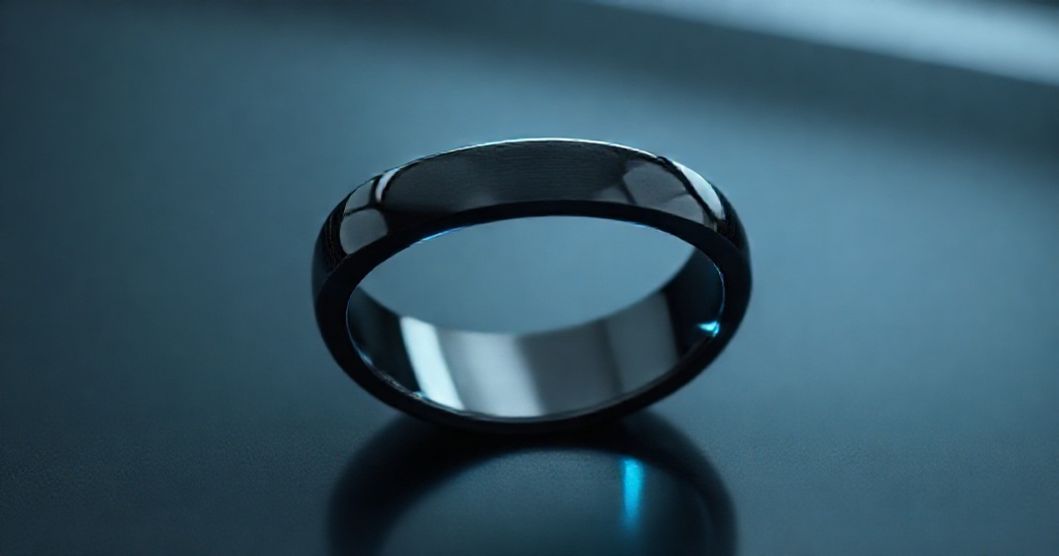
In a world increasingly saturated with smart devices, from our phones to our watches, a new contender is quietly making its mark: the smart ring. These discreet, elegant pieces of wearable technology are quickly emerging as a powerful tool for personal health monitoring and seamless daily convenience. Moving beyond the bulk and screen-centric nature of traditional smartwatches, smart rings offer a unique blend of style, subtlety, and sophisticated data collection, signaling a significant evolution in how we interact with our digital selves.
What Are Smart Rings and Why Are They Gaining Traction?
At its core, a smart ring is a miniature computer packed into a finger-worn band. Unlike smartwatches that typically feature a display and offer a broad range of apps and interactive functions, smart rings prioritize subtlety and long-term data collection. Their primary purpose revolves around health, fitness, and wellness tracking, often operating in the background without constant user input. This ‘set it and forget it’ approach, coupled with impressive battery life, is a major draw for users seeking continuous insights without the distractions of another screen.
The appeal lies in their unobtrusive design. A smart ring blends seamlessly into one’s attire, offering a fashionable alternative to more conspicuous wearables. This form factor also provides an ideal contact point for highly accurate biometric data collection, as the finger offers excellent blood flow for sensors measuring heart rate, blood oxygen, and temperature.
Key Innovations and Features Driving Adoption
The technology packed into these small bands is remarkably advanced, offering a comprehensive suite of features:
- Advanced Health Monitoring: Smart rings excel in tracking vital health metrics. They continuously monitor heart rate, heart rate variability (HRV), skin temperature, and blood oxygen levels. These metrics provide invaluable insights into cardiovascular health, stress levels, and potential illness onset.
- Superior Sleep Tracking: Due to their comfort and discreet nature, smart rings are particularly effective for sleep analysis. They accurately detect sleep stages (REM, deep, light), track sleep duration, disturbances, and provide comprehensive scores that help users understand and improve their sleep quality.
- Activity and Recovery Insights: Beyond counting steps, many smart rings offer sophisticated activity tracking, recognizing different types of exercise and estimating calorie burn. Crucially, they also focus on recovery, providing readiness scores based on sleep, HRV, and activity levels, guiding users on when to push hard and when to rest.
- Temperature Sensing for Wellness: Some models include highly sensitive temperature sensors, which can be used to track subtle shifts in body temperature. This feature is particularly beneficial for women’s health, aiding in menstrual cycle tracking and fertility predictions, and also for early detection of fevers.
- Discreet Notifications and Payments: While not a primary function, some smart rings offer subtle vibration alerts for incoming calls or messages, keeping users connected without needing to check their phone. Emerging models are also integrating NFC technology for contactless payments, adding another layer of convenience to daily transactions.
Leading the Charge: Oura Ring and the Future Landscape
Currently, the Oura Ring stands as the most prominent player in the smart ring market. Renowned for its elegant design and sophisticated health analytics, especially its focus on sleep and recovery, Oura has cultivated a loyal user base. Its accompanying app provides intuitive, actionable insights based on the data collected, empowering users to make informed lifestyle choices.
However, the landscape is rapidly expanding. The highly anticipated Samsung Galaxy Ring is poised to enter the market, promising seamless integration with Samsung’s extensive ecosystem and potentially bringing smart rings into the mainstream on a much larger scale. Other notable entrants include the Movano Evie Ring, specifically designed with women’s health in mind, and various startups exploring different niches, from gesture control to enhanced security features.
The future of smart rings looks bright, with ongoing research focusing on even more advanced sensor technology, longer battery life, and enhanced AI-driven personalized coaching. Imagine a ring that can detect early signs of stress before you even feel it, or one that perfectly optimizes your workout and recovery schedule based on real-time biometric feedback.
The Advantages of Opting for a Smart Ring
For many, smart rings offer compelling advantages over other wearables:
- Unparalleled Comfort: Their lightweight and ergonomic design makes them comfortable to wear 24/7, even during sleep or strenuous activity.
- Extended Battery Life: Without a power-hungry display, smart rings often boast several days to a week of battery life on a single charge, minimizing charging frequency.
- Discretion and Style: They blend seamlessly with jewelry, appealing to those who prefer a less tech-obvious aesthetic.
- Focused Data: By concentrating on core health and wellness metrics, they avoid overwhelming users with too much information, delivering clear, actionable insights.
- Reduced Screen Time: They allow users to stay connected to their health data without constantly looking at a screen, fostering a more mindful approach to wellness.
Challenges and Considerations
Despite their advantages, smart rings do have limitations. The lack of a display means all data interaction happens via a smartphone app, which might not suit everyone. Accuracy can vary between brands, and the cost of premium models, often coupled with subscription fees for advanced features, can be a barrier. Privacy concerns regarding sensitive health data also remain a significant consideration for users.
Who Benefits Most from Smart Rings?
Smart rings are ideal for health-conscious individuals, athletes focused on recovery and performance optimization, and anyone seeking a discreet yet powerful tool for understanding their body better. They appeal to those who value continuous, passive health monitoring without the constant notifications or screen time associated with smartwatches. From tracking sleep quality to monitoring readiness for the day ahead, smart rings empower users with personalized data to live healthier, more balanced lives.
As technology continues to shrink and become more sophisticated, smart rings are poised to become an indispensable part of our personal health ecosystems. They represent not just a gadget, but a commitment to a proactive approach to wellness, elegantly packaged on your finger.