
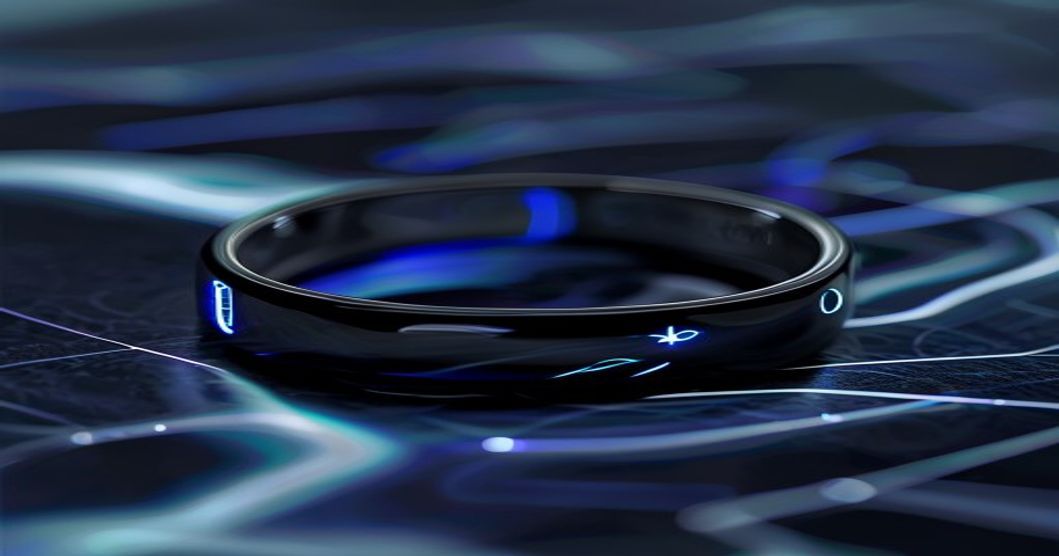
In a world increasingly dominated by screens and notifications, a new wave of wearable technology is emerging, promising convenience and insight without the constant visual distraction: the smart ring. These miniature powerhouses pack sophisticated sensors and connectivity into a stylish, unassuming piece of jewelry, quietly revolutionizing how we interact with our health and digital lives.
Once a niche concept, smart rings are rapidly gaining traction, moving from experimental prototypes to sophisticated consumer products. They represent a significant shift in wearable design, prioritizing discretion and seamless integration over overt functionality. Imagine tracking your sleep patterns, making contactless payments, or even unlocking your devices, all with a subtle gesture of your hand.
Beyond the Bling: Core Capabilities of Smart Rings
What exactly makes a smart ring “smart”? The magic lies in its ability to condense complex technology into a minimalist form factor. While features vary between brands, several core functionalities define the modern smart ring:
- Advanced Health Monitoring: This is arguably the most compelling aspect for many users. Smart rings excel at continuous, passive health tracking. They monitor vital signs like heart rate, heart rate variability (HRV), skin temperature, and blood oxygen levels (SpO2). This data is then used to provide comprehensive insights into sleep quality, recovery status, activity levels, and even early signs of illness.
- Precision Sleep Tracking: Due to their comfortable fit and minimal design, rings are often considered superior to smartwatches for sleep tracking. They can accurately detect sleep stages (REM, deep, light), duration, and disturbances, offering personalized recommendations for better rest.
- Activity and Fitness Tracking: While not as feature-rich as dedicated fitness trackers, smart rings can still track steps, calories burned, and active minutes, providing a holistic view of your daily movement.
- Contactless Payments: A growing number of smart rings integrate NFC (Near Field Communication) technology, allowing users to make secure payments with a tap of their finger at compatible terminals. This eliminates the need to carry cards or even pull out a phone.
- Subtle Notifications: Rather than a glowing screen, some rings offer discreet haptic feedback (vibrations) for incoming calls, messages, or calendar alerts, keeping you informed without interrupting your focus.
- Security and Access Control: Certain smart rings can be used to unlock smartphones, laptops, or even smart home devices, adding an extra layer of convenience and security.
The Undeniable Advantages: Why Choose a Smart Ring?
The appeal of smart rings extends beyond their technological prowess. They offer a unique set of benefits that differentiate them from other wearables:
Discreet Design and Comfort
Unlike bulkier smartwatches, rings blend seamlessly into your daily attire. They are designed to be an extension of your style, not a tech statement. Their lightweight and ergonomic design ensures comfort for continuous wear, even during sleep.
Extended Battery Life
Without a power-hungry display, smart rings typically boast significantly longer battery lives than smartwatches, often lasting several days on a single charge. This means less frequent charging and more consistent data collection.
Focus on Essential Data
Smart rings tend to focus on providing crucial health metrics and essential notifications without overwhelming the user with a plethora of apps and complex interfaces. This minimalist approach caters to those who prefer data over distraction.
Leading the Charge: Notable Players and Future Prospects
The smart ring market is currently spearheaded by innovators like Oura Ring, which has set the gold standard for health tracking, particularly sleep and recovery. Their proprietary algorithms provide incredibly detailed and actionable insights, making them a favorite among athletes and wellness enthusiasts.
More recently, tech giants are entering the fray. Samsung’s announcement of the Galaxy Ring at CES 2024 has ignited significant excitement, promising deep integration within the Samsung Health ecosystem and potentially expanding the device’s capabilities to include smart home control and advanced health features. Other companies are exploring niche applications, from payment-focused rings to those designed for gesture control in virtual reality environments.
Challenges and What Lies Ahead
Despite their promise, smart rings face challenges. The lack of a screen means a different interaction paradigm, relying heavily on companion apps for data interpretation. Miniaturization also imposes limitations on battery size and the number of sensors that can be packed in. Furthermore, widespread adoption hinges on competitive pricing and compelling use cases that truly differentiate them from established wearables.
However, the future for smart rings looks incredibly bright. As sensor technology improves and AI integration becomes more sophisticated, these tiny devices could offer even more proactive health insights, predict potential health issues, and seamlessly integrate into our smart homes and digital interactions. Imagine a ring that not only tracks your stress but also proactively suggests calming exercises, or one that truly becomes your universal digital key.
Ultimately, smart rings are carving out a distinct niche in the wearable technology landscape. They represent a shift towards more invisible, integrated tech that enhances our lives without demanding constant attention. For those seeking discreet health insights, effortless payments, or simply a less intrusive way to stay connected, the smart ring is no longer a futuristic fantasy but a tangible, elegant solution for a smarter, more mindful existence.