
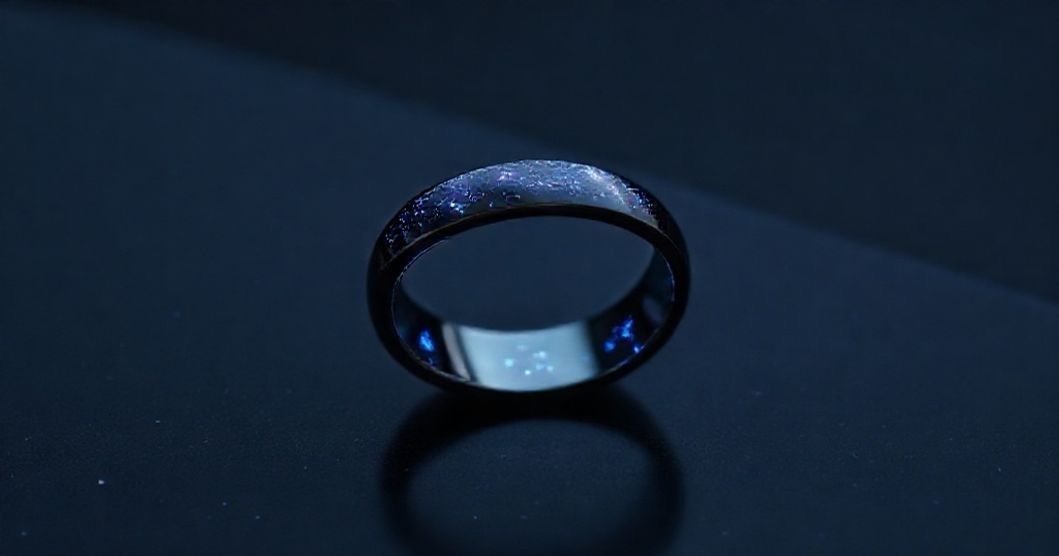
In the rapidly evolving landscape of wearable technology, smartwatches have long dominated the conversation, offering a wrist-bound hub for notifications, fitness tracking, and communication. However, a new contender is emerging, promising an even more discreet and integrated approach to personal health monitoring: the smart ring. Among the most anticipated innovations in this burgeoning category is the Samsung Galaxy Ring, poised to redefine how we interact with our health data.
The introduction of the Galaxy Ring signals a significant shift, challenging the notion that comprehensive health tracking requires a bulky device. By shrinking powerful sensors and sophisticated algorithms into a sleek, finger-worn accessory, Samsung is not just offering an alternative; it’s envisioning a future where health insights are seamlessly woven into the fabric of daily life, almost invisibly.
Why Smart Rings Are Gaining Momentum
Smart rings represent a natural evolution in wearable tech, addressing some of the limitations and preferences that have held back universal smartwatch adoption. Their appeal lies in a combination of comfort, discretion, and specialized functionality.
Beyond the Wrist: Comfort and Discretion
Many individuals find smartwatches intrusive, either due to their size, their constant notifications, or simply their aesthetic. Smart rings, by contrast, offer an unobtrusive way to track vital health metrics without drawing attention. They blend seamlessly with existing jewelry and are often forgotten once worn, making them ideal for continuous, 24/7 monitoring, especially during sleep. This discreet form factor is a significant draw for those who value minimalism or prefer not to wear a watch.
Enhanced Data Collection from the Finger
The finger is an excellent location for capturing accurate physiological data. Unlike the wrist, which can move extensively during activity and sleep, the finger offers a more stable and consistent contact point for sensors. This can lead to more precise readings for metrics like heart rate variability, blood oxygen levels, and skin temperature, crucial for advanced sleep analysis and recovery tracking. The stability of the finger allows for better signal quality, translating into more reliable and actionable insights.
Impressive Battery Life
Without a power-hungry display, smart rings can achieve significantly longer battery lives compared to their smartwatch counterparts. This means less frequent charging and more consistent data collection, crucial for comprehensive health trends. Users can wear their rings for days, even weeks, without interruption, ensuring no gaps in their health data, which is especially important for long-term pattern recognition and personalized coaching.
Introducing the Samsung Galaxy Ring
While details are still emerging, the Samsung Galaxy Ring promises to be a formidable player, leveraging Samsung’s extensive experience in consumer electronics and health technology.
Sleek Design Meets Advanced Functionality
Anticipated to be lightweight and available in various finishes, the Galaxy Ring is designed to be both a fashion statement and a powerful health tool. Its minimalist design will ensure comfort and style, making it appealing to a broad demographic. Despite its compact size, it’s expected to house an array of sophisticated sensors.
A Holistic Health Companion
The Galaxy Ring is poised to offer a comprehensive suite of health tracking features. Users can expect detailed insights into their sleep patterns, including sleep stages, duration, and potentially even sleep apnea detection. It will likely track heart rate variability (HRV), activity levels, and skin temperature, providing a holistic view of overall well-being. For women, enhanced menstrual cycle tracking and fertility insights, leveraging temperature data, are also highly probable. All this data will be seamlessly integrated into the Samsung Health ecosystem, offering personalized scores, wellness goals, and proactive health recommendations.
Seamless Integration into Daily Life
Beyond health tracking, the Galaxy Ring could evolve to offer smart functionalities that further integrate into daily routines. Future iterations might include NFC for contactless payments, acting as a smart home controller, or even providing subtle haptic feedback for notifications without needing to glance at a screen. Its primary goal, however, remains to make health tracking effortless and omnipresent.
Who Will Benefit Most?
The Galaxy Ring caters to a diverse audience, particularly those who seek advanced health monitoring without the typical smartwatch form factor.
For the Health-Conscious and Minimalist
Individuals who are deeply committed to understanding their health metrics, from athletes optimizing recovery to those managing chronic conditions, will find the Galaxy Ring invaluable. Its discreet nature also appeals to minimalists and those who prefer traditional watches but still desire robust digital health capabilities. Furthermore, its focus on detailed sleep analysis makes it a must-have for anyone looking to improve their rest and overall well-being.
The Competitive Landscape and Samsung’s Edge
The smart ring market, while niche, is growing. Established players like the Oura Ring and Ultrahuman Ring have carved out a loyal user base. However, Samsung’s entry fundamentally alters the landscape.
Standing Out in a Growing Market
Samsung brings unparalleled advantages to the smart ring arena: a global brand presence, an extensive retail network, and a colossal ecosystem of connected devices (smartphones, smartwatches, TVs, home appliances). This allows for deep integration and a potentially more accessible price point than some premium competitors. Samsung’s ability to market to its existing millions of Galaxy users could rapidly accelerate smart ring adoption, democratizing advanced health tracking for the mainstream.
Future Prospects and Potential Challenges
The Galaxy Ring holds immense promise, yet its journey will also involve navigating specific challenges and unlocking new possibilities.
Unlocking New Possibilities
The future of smart rings could extend far beyond health tracking. Imagine controlling smart home devices with simple hand gestures, making secure mobile payments with a tap of your finger, or receiving subtle haptic cues for navigation directions without needing to look at a screen. The integration of artificial intelligence will likely play a crucial role in transforming raw data into predictive health insights, offering personalized warnings or recommendations even before health issues manifest. This proactive approach to well-being could be truly revolutionary.
Addressing the Hurdles
Key challenges include ensuring medical-grade accuracy of sensor data, which is crucial for consumer trust and actionable health advice. Market adoption beyond early tech enthusiasts will also depend on compelling use cases, ease of integration, and competitive pricing models—especially if subscription services become a norm for unlocking advanced features. Designing a single ring that fits comfortably and accurately across a wide range of finger sizes and shapes also presents an engineering hurdle. Furthermore, addressing privacy concerns regarding such intimate health data will be paramount for widespread acceptance.
The Samsung Galaxy Ring represents a bold step forward in wearable technology. By offering a discreet, powerful, and deeply integrated health monitoring solution, it has the potential to transform how we perceive and manage our personal well-being. As it enters the market, it will undoubtedly push the boundaries of what’s possible in wearable tech, making advanced health insights more accessible and less intrusive than ever before.