
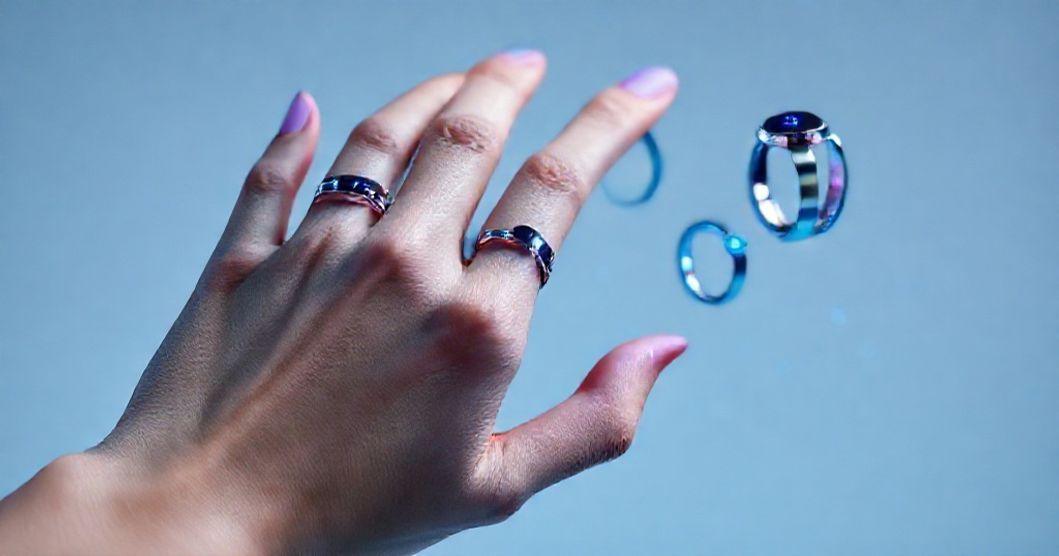
In the ever-evolving landscape of personal technology, the quest for more discreet, powerful, and integrated devices continues unabated. For years, smartwatches dominated the wearable market, offering a blend of fitness tracking, notifications, and convenience right on our wrists. However, a new contender has emerged, poised to redefine what a wearable can be: the smart ring. Moving beyond the bulk of traditional wearables, these sophisticated pieces of jewelry pack an incredible amount of technology into an incredibly small form factor, promising a seamless blend of style, functionality, and cutting-edge health insights.
The Discreet Power of Smart Rings
Imagine a device that silently monitors your health metrics, tracks your activity, and even facilitates payments, all while blending effortlessly with your personal style. This is the promise of smart rings. Unlike their smartwatch counterparts, smart rings prioritize subtlety and continuous wear. Designed to be worn 24/7, they gather a more complete picture of your physiological state, providing data that can lead to deeper, more actionable insights into your well-being.
Unpacking Key Innovations and Features
The innovation packed into these tiny powerhouses is truly remarkable. While specific features vary between models, several core functionalities define the current generation of smart rings, setting them apart in the competitive wearable tech arena.
Advanced Health and Wellness Monitoring
At their core, smart rings boast impressive health sensors. They move beyond basic step counting, offering sophisticated metrics like heart rate variability (HRV), blood oxygen levels (SpO2), skin temperature, and detailed sleep stages (REM, deep, light). This continuous, passive monitoring yields data that, analyzed by built-in artificial intelligence, reveals trends in stress, recovery, and even early illness signs. The focus is on preventative health and optimizing daily performance.
Seamless Connectivity and Convenience
Beyond health tracking, smart rings integrate features for everyday convenience. Many incorporate Near Field Communication (NFC) technology, transforming the ring into a discreet payment device. A simple tap at compatible terminals completes transactions, eliminating the need to pull out a phone or wallet. Some models explore gesture control for smart home devices, media playback, or serving as a secure authentication token. This push streamlines daily interactions, reducing reliance on other gadgets.
Elegant Design Meets Robust Engineering
A key appeal of smart rings is their design philosophy. Unlike bulky fitness trackers or flashy smartwatches, smart rings are engineered to be understated. Crafted from premium materials like titanium or stainless steel, they often resemble conventional jewelry, complementing any outfit or occasion. This makes them ideal for individuals who prefer a minimalist approach to technology. Beneath their elegant exterior lies robust engineering, including water resistance for everyday wear and impressively long battery life—often lasting several days on a single charge—thanks to efficient power management.
The Power of AI-Driven Insights
What truly elevates smart rings beyond mere data collectors is their integration of Artificial Intelligence. The vast volume of raw data collected by the ring – from heartbeats to sleep patterns to activity levels – would overwhelm without intelligent processing. AI algorithms analyze this data, identifying patterns and anomalies, then translating them into personalized, actionable insights. Instead of just showing numbers, a smart ring might advise prioritizing rest due to a dip in HRV, suggest optimal times for workouts based on your recovery, or even alert you to potential signs of stress. This intelligent interpretation transforms raw data into meaningful guidance for well-being.
Leading the Charge: Notable Innovations
While the market is still nascent, several key players are driving innovation in the smart ring space. Companies like Oura Health have become synonymous with advanced sleep and recovery tracking, leveraging their rings to provide detailed health scores. More recently, tech giants like Samsung have entered the fray, signaling a broader acceptance and investment in this form factor. These developments highlight a growing recognition of the smart ring’s potential to offer a truly personal and unobtrusive technological experience.
The Benefits: Why Choose a Smart Ring?
For users, the advantages of smart rings are manifold. They offer continuous, passive monitoring without the constant visual distraction of a screen. Their discreet nature makes them suitable for a wider range of social and professional settings. By focusing on essential health metrics and delivering AI-powered insights, smart rings empower individuals with a deeper understanding of their bodies, fostering proactive health management and overall wellness.
Challenges and the Road Ahead
Despite their promise, smart rings face hurdles. Accuracy of certain biometric data can vary, and user adoption still needs to grow significantly. Privacy concerns regarding sensitive health data are paramount, requiring robust security measures from manufacturers. However, the future looks bright. We anticipate even more sophisticated sensor technology, tighter integration with augmented reality (AR) and virtual reality (VR) systems for gesture control, and perhaps advanced haptic feedback for notifications or directional guidance. As AI continues to evolve, smart rings will likely become more predictive and personalized, transforming from data collectors into truly intelligent health and lifestyle companions.
Smart rings represent a fascinating leap in wearable technology. By offering powerful features in an incredibly compact and stylish form, they are carving out a unique niche in the digital ecosystem. As these devices continue to mature, they promise to deliver a more seamless, integrated, and insightful technological experience, truly becoming an extension of ourselves.