
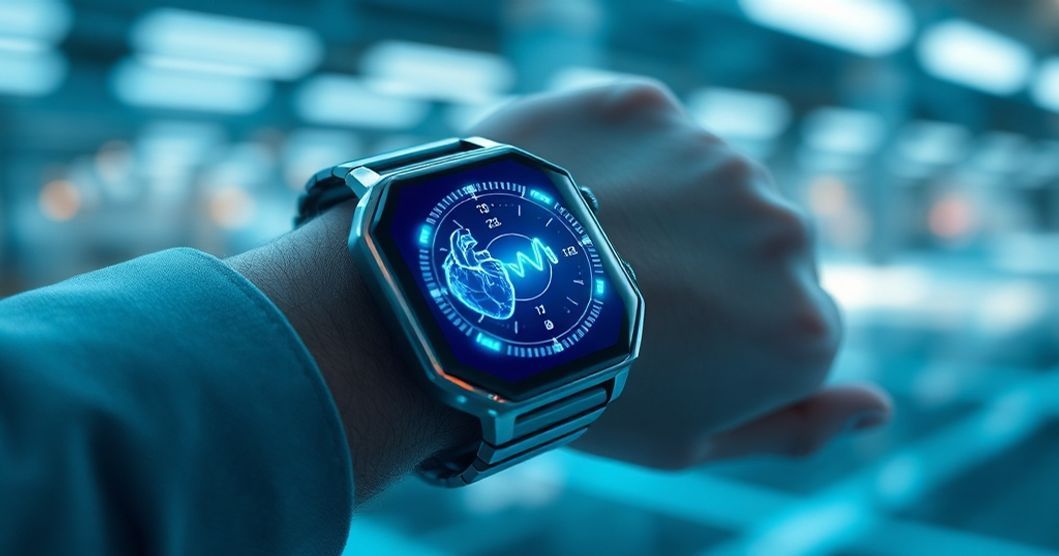
Smartwatches have evolved dramatically from mere accessories that tell time and push notifications. What began as a convenient way to check messages and track basic activity has transformed into a sophisticated health guardian, subtly monitoring your well-being around the clock. Today’s next-generation smartwatches are not just keeping pace with your life; they are actively listening to your body, detecting subtle changes, and providing actionable insights that are genuinely redefining personal health management. This powerful shift represents a remarkable convergence of wearable technology, advanced sensor science, and artificial intelligence, placing a new era of proactive wellness directly onto your wrist.
Beyond Step Counts: A Deeper Dive into Health Data
For years, fitness trackers focused primarily on activity metrics like step counts, calories burned, and basic heart rate. While valuable, these measurements offered only a superficial glimpse into overall health. Modern smartwatches, however, have moved far beyond these fundamentals. They are equipped with an array of sophisticated sensors that capture a much richer tapestry of physiological data, providing users with an unprecedented level of insight into their bodies.
This evolution means that your smartwatch is no longer just a fitness companion; it’s a silent partner in managing your holistic health. From cardiovascular health to sleep quality and even early signs of illness, these devices are empowering individuals with data that was once only available in clinical settings.
Key Innovations in Health Sensing
The technological leaps in smartwatch sensors are truly impressive. Here are some of the standout features:
- Electrocardiogram (ECG) and Atrial Fibrillation Detection: Many advanced smartwatches now include ECG capabilities, allowing users to take an on-demand electrocardiogram directly from their wrist. This can detect signs of atrial fibrillation (AFib), a common form of irregular heart rhythm that can increase the risk of stroke. Early detection often leads to timely medical intervention.
- Blood Oxygen (SpO2) Monitoring: Tracking blood oxygen saturation levels is vital for understanding respiratory health and overall well-being. Low SpO2 can indicate underlying issues like sleep apnea or respiratory conditions. Smartwatches offer continuous or on-demand SpO2 readings, providing crucial data, especially for sleep analysis.
- Advanced Skin Temperature Sensing: Beyond simply knowing the ambient temperature, new smartwatches can monitor wrist skin temperature, offering valuable insights into body fluctuations. For women, this can aid in cycle tracking and ovulation prediction. It can also serve as an early indicator of illness or fever, as changes in baseline temperature can precede symptoms.
- Comprehensive Sleep Analysis: Gone are the days of just tracking sleep duration. Modern smartwatches break down sleep into stages (REM, deep, light), monitor sleep disturbances, breathing regularity, and even noise levels in your sleep environment. This detailed analysis helps users understand their sleep quality and identify potential issues that hinder restorative rest.
- Stress Monitoring and Recovery Insights: Utilizing heart rate variability (HRV) — the variation in time between heartbeats — smartwatches can gauge your body’s stress levels and recovery status. High HRV often indicates a well-rested state, while consistent low HRV can signal chronic stress or overtraining. Many devices also offer guided breathing exercises to help manage acute stress.
- Potential Future Sensors: The horizon looks even more promising, with ongoing research into non-invasive blood glucose monitoring for diabetics and continuous blood pressure tracking, which could revolutionize how chronic conditions are managed at home.
The Power of AI and Machine Learning
Collecting raw physiological data is one thing; transforming it into meaningful, actionable insights is where artificial intelligence and machine learning truly shine. Your smartwatch isn’t just a data logger; it’s an intelligent interpreter. AI algorithms process vast amounts of sensor data, recognizing patterns and anomalies that a human eye might miss. For instance, AI can correlate changes in heart rate, sleep patterns, and temperature to suggest potential illness or periods of heightened stress before you even feel symptoms.
This intelligence enables predictive health analytics, moving us from reactive healthcare to proactive wellness. Smartwatches can offer personalized recommendations, nudging you to take a walk if your activity is low, suggesting a breathing exercise when stress levels rise, or even advising you to consult a doctor if consistent irregular heart rhythms are detected. It’s like having a personal health coach and early warning system wrapped around your wrist.
Seamless Integration and Ecosystems
The utility of these devices extends beyond the wrist through seamless integration with broader digital health ecosystems. Smartwatches connect with dedicated smartphone apps, cloud platforms, and sometimes even electronic health records, allowing for long-term data storage, trend analysis, and sharing with healthcare providers. This interconnectedness creates a comprehensive view of your health journey, fostering a more collaborative approach to personal well-being. Data privacy and security remain paramount, with manufacturers continually enhancing safeguards to protect sensitive personal health information.
Impact on Wellness and Healthcare
These advanced smartwatches are profoundly impacting both individual wellness and the broader healthcare landscape. They empower individuals to take a more active role in managing their health, providing them with the tools and information to make informed lifestyle choices. For healthcare professionals, wearable tech offers unprecedented potential for remote patient monitoring, allowing doctors to track vital signs and recovery progress outside of clinic visits, leading to more personalized and timely care interventions.
Choosing Your Digital Health Companion
When considering a next-gen smartwatch, look beyond aesthetics. Prioritize devices that offer a robust suite of health sensors relevant to your needs, strong battery life, intuitive software, and a commitment to data privacy. Research different brands and models, comparing their accuracy and the depth of insights they provide. Remember that while smartwatches offer incredible insights, they are generally not medical devices and should complement, not replace, professional medical advice.
The future of health is increasingly personal, proactive, and portable. Next-generation smartwatches are at the forefront of this revolution, transforming from simple timepieces into essential tools that empower us to live healthier, more informed lives. By continuously monitoring our bodies and intelligently interpreting the data, these devices are not just tracking our journey; they are actively guiding us towards a better, healthier future.