
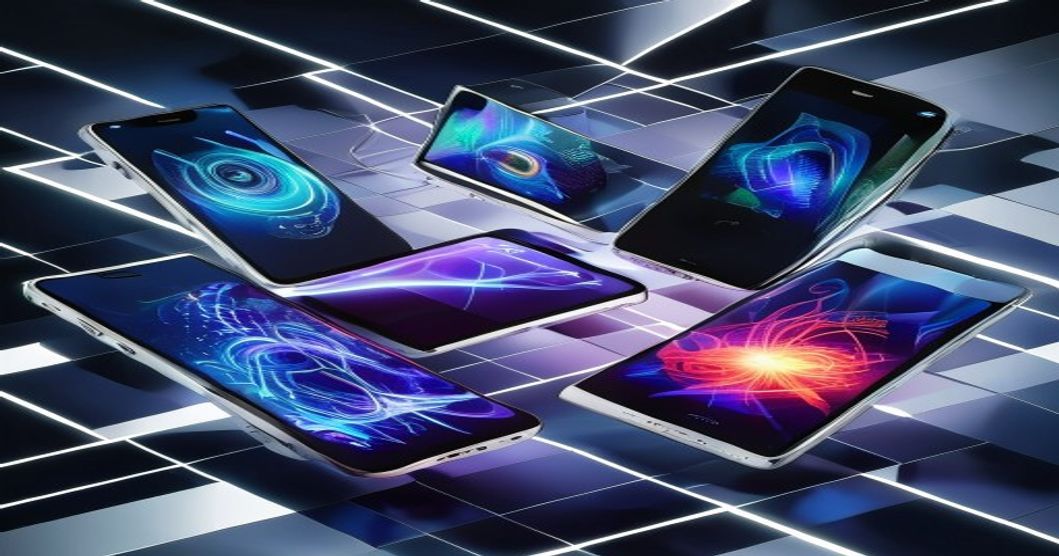
In the fast-paced world of technological innovation, few advancements have captured the imagination quite like foldable smartphones. What once seemed like a sci-fi fantasy is now a tangible reality, pushing the boundaries of mobile design and user interaction. These devices are more than just a novelty; they represent a significant leap in how we perceive and utilize our most personal pieces of technology, promising a future where our gadgets adapt more fluidly to our diverse needs.
The Magic Behind the Fold: Flexible Displays
The core innovation enabling foldable phones is, undoubtedly, the flexible display. Traditional smartphone screens are rigid, fragile glass panels. Foldables, however, utilize advanced Organic Light-Emitting Diode (OLED) technology built on plastic substrates, allowing them to bend without breaking. This breakthrough required years of research and development, perfecting materials that can withstand thousands, if not hundreds of thousands, of folds.
- Ultra-Thin Glass (UTG): Early foldable screens were susceptible to scratches due to their plastic top layers. Modern foldables often incorporate a layer of Ultra-Thin Glass (UTG), which is incredibly flexible yet significantly more durable and offers a premium feel akin to traditional glass screens.
- Hinge Mechanisms: Equally crucial is the sophisticated hinge mechanism. These engineering marvels allow the phone to fold seamlessly, protecting the delicate display while ensuring a smooth, satisfying user experience. Different manufacturers employ unique hinge designs, each aiming for minimal gap when folded and maximum durability.
Form Factors: A New Way to Interact
Foldable phones aren’t a one-size-fits-all category. They currently come in two primary form factors, each offering distinct advantages:
Book-Style Foldables
Devices like the Samsung Galaxy Z Fold series or the Google Pixel Fold open up like a book, transforming from a regular smartphone into a tablet-sized display. This larger internal screen is perfect for multitasking, media consumption, and productivity. Imagine editing documents or watching a movie on a large canvas that easily slips into your pocket when folded.
Clamshell Foldables
The clamshell design, exemplified by the Samsung Galaxy Z Flip or Motorola Razr, harks back to the flip phones of yesteryear but with a modern twist. These phones offer a standard smartphone screen that folds in half, becoming incredibly compact. They are ideal for users prioritizing portability and style, easily fitting into smaller pockets or bags, and often feature a small external screen for quick notifications or selfies.
Beyond the Gimmick: Real-World Benefits
While their unique form factor is certainly eye-catching, foldable phones offer genuine benefits that enhance the user experience:
- Enhanced Multitasking: The larger screens of book-style foldables make split-screen multitasking truly effective. You can comfortably run two or even three apps side-by-side, boosting productivity for work or making communication easier while consuming content.
- Portability and Screen Real Estate: Clamshell foldables deliver the best of both worlds: a full-sized smartphone experience that folds down into an incredibly pocketable device. Book-style foldables, conversely, offer a tablet-sized screen that still fits into a standard pocket.
- Unique Photography Angles: The ability to partially fold the phone allows for creative photography. You can prop the phone up on a surface for hands-free selfies or stable low-angle shots, eliminating the need for a tripod in many situations.
- Immersive Entertainment: Watching videos or playing games on a larger, bezel-less internal display of a book-style foldable provides a truly immersive experience that standard phones cannot match.
Pioneers and Innovators: Who’s Leading the Charge?
The foldable market is heating up, with several key players making significant strides:
- Samsung: As the pioneer, Samsung has dominated the foldable space with its Galaxy Z Fold and Z Flip series, now in their fifth generations. They have consistently refined their designs, durability, and software experience.
- Google: The introduction of the Pixel Fold marked Google’s entry, bringing its renowned software prowess and camera technology to the foldable arena, offering a wider, more traditional tablet-like internal display.
- Chinese Brands: Companies like Honor, OnePlus, and Xiaomi have also launched impressive foldable devices, often pushing boundaries with slimmer designs, less noticeable creases, and competitive pricing in their respective markets.
Navigating the Challenges: What’s Holding Them Back?
Despite their allure, foldable phones still face hurdles that limit wider adoption:
- Cost Barrier: Foldables remain significantly more expensive than traditional flagship smartphones, putting them out of reach for many consumers. The advanced materials and intricate engineering contribute to this premium price tag.
- Durability Concerns: While vastly improved, the long-term durability of flexible screens and hinge mechanisms is still a concern for some users. The crease, though less noticeable on newer models, is also a point of discussion.
- Weight and Thickness: Foldables are generally thicker and heavier than non-folding phones, especially when folded, which can impact portability for some.
- Software Optimization: While improving, optimizing apps and the operating system to seamlessly transition between different screen sizes and orientations remains an ongoing challenge for developers.
The Road Ahead: What’s Next for Foldables?
The future of foldable technology looks incredibly promising. We can anticipate several key developments:
- Improved Durability and Lighter Designs: Expect even stronger, more resilient displays and lighter, slimmer form factors as manufacturing processes advance.
- Lower Price Points: As technology matures and production scales up, prices are likely to become more accessible, drawing in a larger consumer base.
- Diverse Applications: Beyond smartphones, foldable and rollable screen technology could revolutionize other devices, from laptops and tablets to monitors and even wearable tech.
- Less Noticeable Creases: Engineers are continuously working on hinge designs that minimize or even eliminate the visible crease on the main display.
Foldable phones are not just a fleeting trend; they represent a fundamental shift in mobile device design. They challenge our preconceptions of what a phone can be, offering unprecedented versatility and pushing the boundaries of hardware innovation. As the technology matures, becomes more affordable, and addresses current limitations, these devices are poised to become a mainstream staple, truly unfolding a new era of personal technology.