
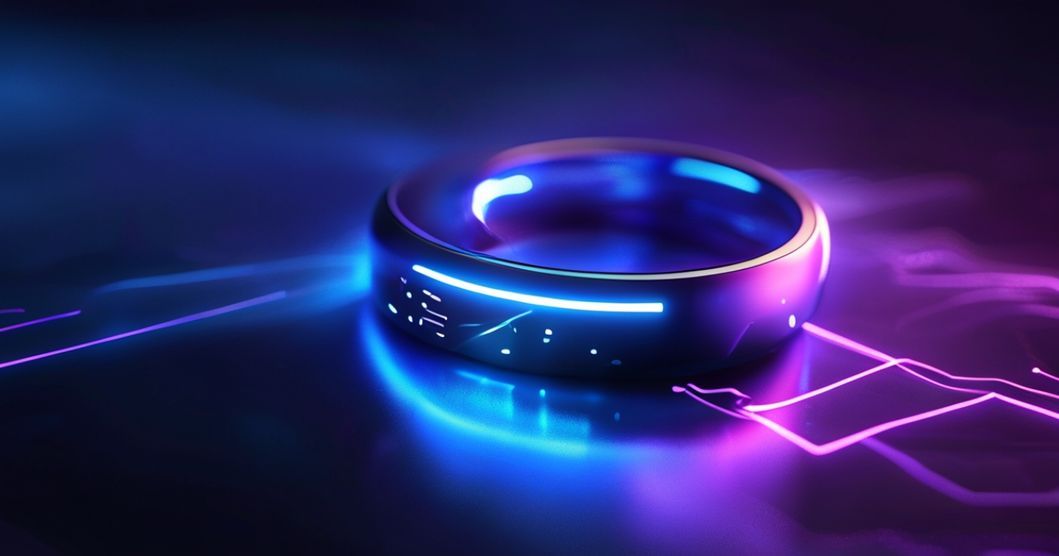
In a world increasingly saturated with screens and notifications, a new breed of wearable technology is emerging, offering powerful insights and convenience in a remarkably subtle form factor: the AI-powered smart ring. These elegant devices are quietly disrupting the wearable tech landscape, moving beyond the smartwatch’s wrist-bound dominance to provide discreet, continuous data collection and smart functionalities right on your finger.
Imagine a tiny, unobtrusive band that constantly monitors your health, facilitates payments, and even controls your smart home – all without demanding your attention with a bright display. This article delves into the fascinating world of smart rings, exploring their innovative features, market leaders, and the profound impact they are set to have on our daily lives.
The Quiet Ascent of Smart Rings
While smartwatches have captured mainstream attention for years, the concept of a smart ring isn’t entirely new. Early iterations focused primarily on basic notification alerts or NFC payments. However, recent advancements in miniaturization, battery technology, and artificial intelligence have propelled smart rings into a new era of sophistication. They represent a philosophical shift in wearable tech, prioritizing seamless integration and background operation over constant interaction.
The appeal lies in their ability to blend effortlessly into personal style while providing a wealth of valuable information. For many, a ring feels more natural, less intrusive, and more comfortable for continuous wear, especially during sleep, which is crucial for comprehensive health tracking.
Cutting-Edge Features Redefining Wearable Tech
Modern AI-powered smart rings pack an impressive array of sensors and intelligent algorithms into their compact designs. Their core strength lies in their ability to offer continuous, high-fidelity data collection from a unique vantage point on the finger.
Comprehensive Health and Wellness Monitoring
- Heart Rate and HRV: Continuous monitoring of heart rate and heart rate variability provides insights into stress levels, recovery, and overall cardiovascular health.
- Sleep Tracking: Perhaps their strongest suit, smart rings offer highly accurate sleep stage detection (light, deep, REM) and insights into sleep quality, disturbances, and recovery, thanks to their comfortable wear during the night.
- Activity and Calorie Tracking: Beyond step counts, they track activity levels, estimated calorie burn, and can often differentiate between various types of physical activity.
- Blood Oxygen (SpO2): Many rings now include SpO2 sensors, offering valuable data on respiratory health and potential sleep apnea indicators.
- Body Temperature: Precise temperature sensing can detect illness, track menstrual cycles, and provide early warnings of physiological changes.
Seamless Contactless Payments
One of the most convenient features, smart rings with NFC capabilities allow users to make secure, tap-to-pay transactions without needing a phone or wallet. This hands-free payment method is incredibly practical for quick purchases or when on the go.
Smart Home Integration and Gesture Control
Some advanced rings are venturing into smart home ecosystems, enabling users to control lights, thermostats, or other connected devices with simple gestures or pre-programmed actions. This opens up possibilities for intuitive, silent interaction with your environment.
AI-Powered Insights and Predictive Analytics
The “AI-powered” aspect is where these rings truly shine. Rather than just collecting raw data, sophisticated algorithms analyze patterns, identify trends, and offer personalized, actionable insights. For example, an AI might predict potential illness based on a sudden rise in body temperature and reduced heart rate variability, or suggest optimal recovery times based on sleep quality and activity levels. This moves beyond mere data display to proactive wellness management.
Key Players in the Smart Ring Arena
The smart ring market is seeing increasing innovation and competition, with several companies leading the charge:
- Oura Ring: Often considered the pioneer, Oura has set a high standard for health tracking accuracy, especially in sleep analysis and recovery insights. Its sleek design and comprehensive app experience have garnered a loyal following.
- Ultrahuman Ring AIR: Positioned as one of the lightest smart rings, Ultrahuman focuses on similar health metrics with an emphasis on fitness recovery and metabolic health, offering compelling alternatives and features.
- Samsung Galaxy Ring: Highly anticipated and expected to launch soon, Samsung’s entry promises to bring mainstream attention to the category, likely leveraging its vast ecosystem and health platform to offer robust features and integration.
- Circular Ring: This ring offers a modular approach, allowing users to swap out outer shells for different styles while maintaining core health tracking functionalities.
The Undeniable Advantages of Ring-Wearables
Why are smart rings gaining such traction, especially when smartwatches already exist?
- Discreet and Stylish: They are fashion-forward, blending seamlessly with jewelry and personal aesthetics, making them appealing to those who find smartwatches too bulky or conspicuous.
- Uninterrupted Data Collection: Their comfortable design encourages 24/7 wear, providing a continuous stream of data crucial for accurate long-term health trends, particularly for sleep.
- Extended Battery Life: Without a power-hungry display, smart rings often boast battery lives stretching from several days to over a week, significantly outperforming most smartwatches.
- Focused Functionality: By specializing in health monitoring and essential smart features, rings offer a less distracting experience compared to notification-heavy smartwatches.
Challenges and the Road Ahead
Despite their promise, smart rings face hurdles. Accuracy can vary between brands, and the need for subscription services for advanced features can be a barrier for some. Data privacy and security are also paramount concerns, given the highly personal nature of the collected data.
Looking forward, we can expect smart rings to become even more integrated into our digital lives. Imagine rings that can serve as digital keys, interact with augmented reality interfaces, or provide haptic feedback for navigation. As miniaturization continues and AI algorithms grow more sophisticated, smart rings are poised to become an indispensable, yet invisible, part of our personal technology ecosystem, offering a profound blend of style, convenience, and health intelligence.