
In the rapidly evolving landscape of technology, few innovations capture the collective imagination quite like Apple’s Vision Pro. Heralded as a “spatial computer,” this groundbreaking device isn’t just another gadget; it represents a bold leap into an immersive future where digital content seamlessly blends with our physical world. Launched to significant anticipation, the Vision Pro aims to redefine how we interact with technology, work, play, and connect with others, promising an experience that transcends traditional screens and interfaces.
For decades, our digital lives have been confined to flat displays – phones, tablets, and computers. The Vision Pro shatters these limitations, inviting users into an experience that feels both futuristic and remarkably intuitive. It’s more than just a virtual reality headset; it’s a sophisticated platform designed to augment reality, creating a canvas for digital interaction that extends beyond the boundaries of a physical screen. This article delves into what makes the Vision Pro a pivotal moment in tech history, exploring its core features, potential applications, and the profound impact it’s poised to have on our daily lives.
Understanding Spatial Computing
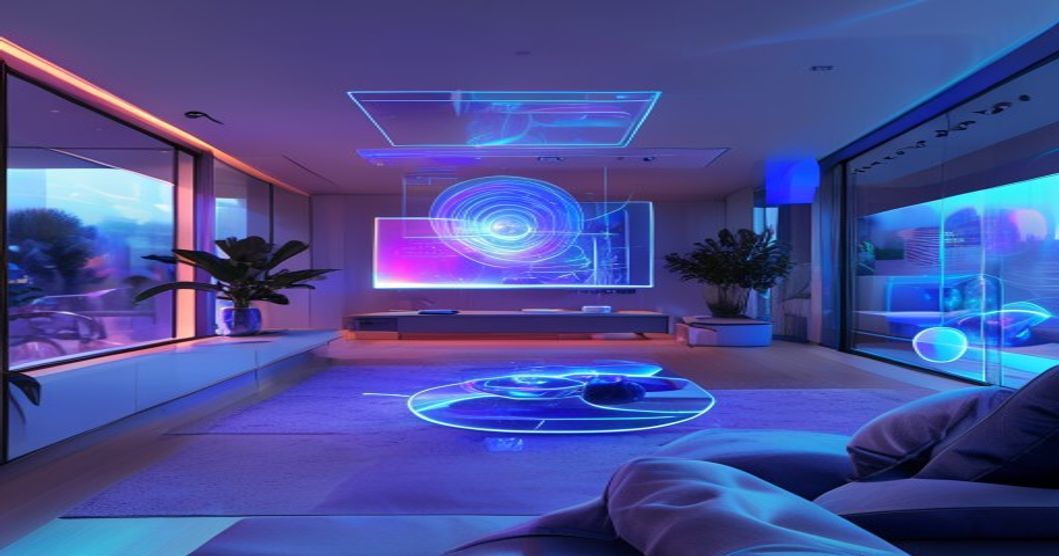
At the heart of the Apple Vision Pro lies the concept of spatial computing. This isn’t just a fancy term; it’s a paradigm shift. Unlike traditional computing, which typically involves interacting with a 2D interface on a screen, spatial computing allows digital content to exist and be manipulated within the user’s physical space. Imagine your favorite apps floating around your living room, or a massive virtual display extending across your wall, perfectly integrated with your real-world environment.
The Vision Pro makes this possible by understanding the user’s surroundings through an array of advanced sensors and cameras. It then overlays digital information and interfaces onto that real-world view, creating a layered experience. This means you can see your physical desk, interact with physical objects, and simultaneously work with multiple virtual screens, watch a movie on an expansive display, or even engage in immersive games, all within the same visual field. It’s about making digital content feel truly present and tangible, blurring the lines between the physical and the virtual in a deeply personal way.
Key Innovations and Features
Apple has packed the Vision Pro with an impressive suite of technologies, meticulously engineered to deliver an unparalleled spatial computing experience. Each component plays a crucial role in its revolutionary design:
VisionOS: The Operating System for a New Dimension
Powering the Vision Pro is VisionOS, a brand-new operating system built from the ground up for spatial computing. It draws inspiration from macOS, iOS, and iPadOS but introduces a three-dimensional interface where apps can float freely in your space. VisionOS manages the complex interplay between digital content and the real world, ensuring smooth performance and intuitive interaction. It’s designed to be instantly familiar yet profoundly different, making the transition to spatial computing feel natural.
Unrivaled Displays and Audio
The visual fidelity of the Vision Pro is astonishing. It features two micro-OLED displays, each no larger than a postage stamp, yet collectively packing 23 million pixels – more than a 4K TV for each eye. This delivers an incredibly sharp and vibrant image, making digital content look remarkably lifelike. Complementing the visuals is an advanced Spatial Audio system, integrated directly into the head strap, which creates a personalized sound experience that makes audio seem to come from the objects and locations within your virtual space, further enhancing immersion.
Intuitive Interaction: Eyes, Hands, and Voice
One of the Vision Pro’s most elegant innovations is its control scheme. Instead of physical controllers, users navigate and interact using their eyes, hands, and voice. You simply look at an element to select it, tap your fingers together to click, and use your voice for commands. This natural interaction method aims to reduce the learning curve and make engaging with spatial content as effortless as possible. Furthermore, the innovative EyeSight feature displays a representation of your eyes on the exterior of the device when someone approaches, allowing others to see your eyes and understand when you are aware of them or fully immersed, bridging the gap between the virtual and real worlds in social contexts.
Dual-Chip Powerhouse
Under the hood, the Vision Pro is powered by a unique dual-chip design. The mighty M2 chip provides the raw computational power needed for demanding applications and graphics, ensuring smooth multitasking and rich visual experiences. Alongside it, the custom-designed R1 chip is dedicated to processing input from the Vision Pro’s 12 cameras, five sensors, and six microphones in real-time, ensuring that content feels like it’s happening right in front of your eyes with virtually no lag.
Transformative Use Cases
The potential applications of the Apple Vision Pro span across various aspects of our lives:
- Entertainment: Experience movies and TV shows on a massive virtual screen, as if you’re in a private cinema. Games can become fully immersive, blending virtual elements with your physical space.
- Productivity: Create an infinite workspace with multiple virtual monitors. Collaborate with colleagues in shared spatial environments, enhancing remote work and creativity.
- Communication: Engage in FaceTime calls where participants appear as lifelike Personas, creating a more personal and present communication experience.
- Education and Training: Imagine learning complex subjects through interactive 3D models or experiencing historical events as if you were there.
The Road Ahead: Impact and Evolution
The Apple Vision Pro marks a significant milestone in technology, offering a glimpse into a future where our digital and physical realities intertwine seamlessly. While it’s a first-generation product with a premium price point and areas for refinement (such as battery life and weight), its arrival has undeniably set a new benchmark for mixed-reality experiences. It challenges developers to think in three dimensions and pushes the boundaries of human-computer interaction.
As the technology evolves, we can expect subsequent iterations to become more compact, affordable, and integrated into daily life. The Vision Pro isn’t just a high-tech gadget; it’s a foundational device that could catalyze an entirely new ecosystem of applications and services, much like the original iPhone did for mobile computing. Its true impact will unfold over the coming years as developers unlock its full potential, transforming industries and reshaping how we perceive and interact with information. The era of spatial computing has truly begun, and the Vision Pro is leading the charge.