
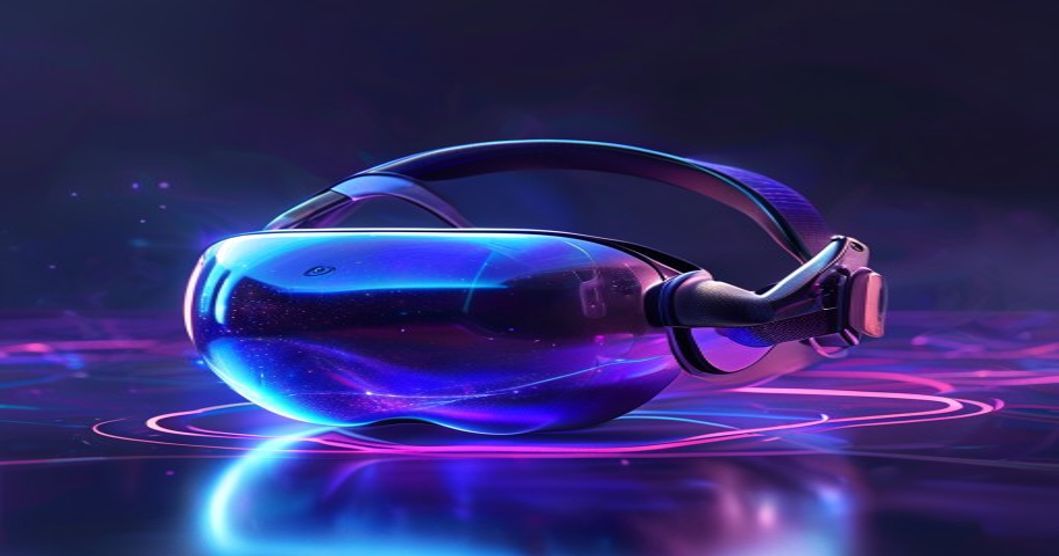
In the rapidly evolving landscape of technology, certain innovations emerge that promise to redefine our interaction with the digital world. The Apple Vision Pro stands as one such groundbreaking development. Dubbed a “spatial computer,” this revolutionary device ushers in a new era of mixed reality, blending digital content seamlessly with our physical surroundings. More than just another gadget, the Vision Pro represents Apple’s ambitious leap into a future where technology isn’t just in front of us, but all around us, changing the way we work, play, and connect.
This article delves into the core technologies that power the Vision Pro, explores its potential to transform various aspects of our lives, and discusses the challenges it faces on its journey to widespread adoption. Prepare to discover how Apple is attempting to sculpt the future of personal computing.
Understanding the Apple Vision Pro: What is Spatial Computing?
At its heart, the Apple Vision Pro isn’t merely a virtual reality (VR) or augmented reality (AR) headset; it’s presented as the world’s first “spatial computer.” This distinction is crucial. While traditional VR immerses users completely in a digital world and AR overlays digital elements onto the real world, spatial computing aims for a more harmonious integration. It allows digital content to exist and interact naturally within your physical space, providing an infinite canvas for apps and experiences that feel tangible and responsive to your environment.
Users can navigate apps by simply looking at them, tapping their fingers, or using voice commands, creating an intuitive interface that feels incredibly natural. This paradigm shift moves beyond screens and keyboards, offering a more immersive and personalized computing experience.
Key Technological Innovations Powering Vision Pro
The Vision Pro is a marvel of engineering, packed with cutting-edge technology designed to deliver an unparalleled spatial computing experience.
- Ultra-High-Resolution Micro-OLED Displays: Each eye sees more pixels than a 4K TV, delivering incredibly sharp text and stunning visuals. This enables digital content to appear crisp and vibrant, making virtual objects feel remarkably real.
- Advanced Eye and Hand Tracking: Sophisticated cameras and sensors precisely track your eye movements and hand gestures, allowing for effortless navigation and interaction. This intuitive input method eliminates the need for external controllers, making the experience more seamless.
- Optic ID Security: Similar to Face ID, Optic ID uses the unique pattern of your iris for secure authentication, ensuring privacy and data security. This biometric security adds a layer of trust to the spatial computing environment.
- Custom Dual-Chip Architecture: The device is powered by a combination of the M2 chip for powerful standalone performance and the new R1 chip, which processes input from 12 cameras, five sensors, and six microphones with virtually no lag. This ensures a fluid, real-time experience.
- VisionOS: The Spatial Operating System: Built from the ground up, VisionOS integrates Apple’s decades of experience in operating system design, adapting it for spatial computing. It allows familiar apps to exist in your space, alongside new spatial experiences.
- Passthrough Video: High-resolution cameras project the real world onto the internal displays, creating a vivid, full-color view of your surroundings, ensuring you remain connected to your environment while immersed in digital content.
Revolutionizing User Experience Across Spheres
The potential applications of Apple Vision Pro stretch across numerous domains, promising to transform how we engage with technology.
- Entertainment Reinvented: Imagine watching movies on a massive virtual screen that feels like a personal cinema, or playing immersive games where the digital world blends with your living room. The Vision Pro offers unparalleled cinematic and gaming experiences.
- Enhanced Productivity and Collaboration: Spatial computing can create expansive, personalized workspaces. Users can arrange multiple virtual displays around them, collaborate with colleagues in shared virtual spaces, and access information in a more intuitive, multi-dimensional way. This could revolutionize remote work and office environments alike.
- Communication Beyond Screens: FaceTime calls can transform into immersive experiences with “spatial personas,” creating a more present and engaging connection with others, making distant interactions feel more personal and immediate.
- Transforming Education and Training: From interactive lessons that bring historical events to life to realistic simulations for surgical training, the Vision Pro has the potential to make learning more engaging, hands-on, and effective.
Challenges and the Road Ahead for Spatial Computing
Despite its remarkable innovations, the Apple Vision Pro faces several hurdles on its path to widespread adoption. The significant price point makes it a premium device, limiting initial accessibility. Comfort and weight are also critical factors for extended use, as is battery life, which currently requires an external pack. Developer adoption is crucial for building a rich ecosystem of spatial apps and experiences that will truly unlock its potential.
Furthermore, the social acceptance of wearing a headset in public or even within the home will be an interesting cultural shift to observe. However, as with many pioneering technologies, these challenges often pave the way for future iterations that are more affordable, comfortable, and integrated into daily life.
The Future is Spatial
The Apple Vision Pro is more than just a new gadget; it’s a bold declaration of intent from one of the world’s most influential tech companies. It represents a significant step towards a future where digital and physical realities are not separate but seamlessly intertwined. While its journey has just begun, the Vision Pro provides a compelling glimpse into what spatial computing can offer, setting a new benchmark for immersive experiences and inviting us all to imagine a world beyond the traditional screen.
As the technology evolves, becomes more refined, and more accessible, we can anticipate a future where spatial computing profoundly impacts every facet of our lives, from how we work and learn to how we connect and entertain ourselves. The era of spatial computing is here, and it’s just getting started.