
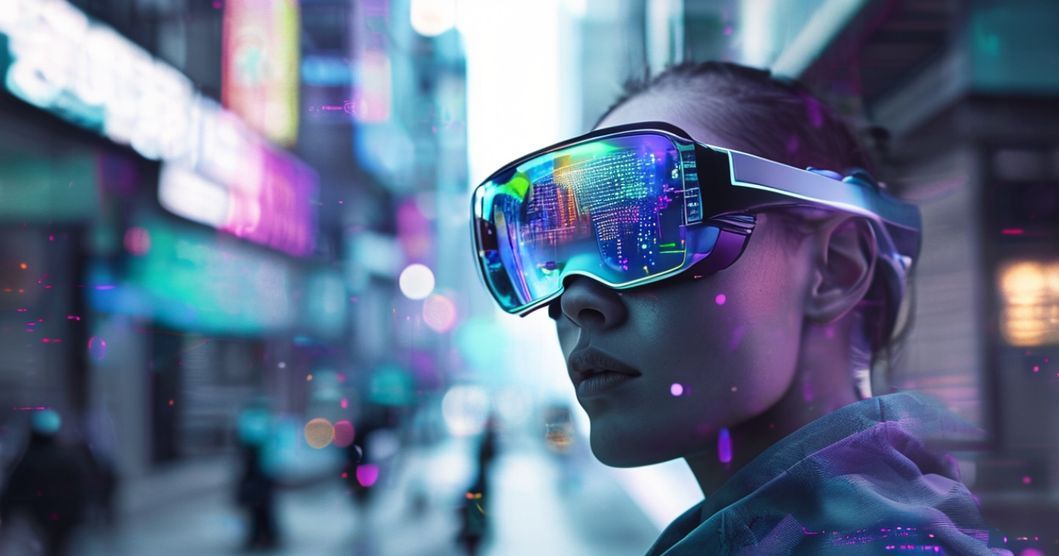
In a world increasingly shaped by digital innovation, the lines between our physical surroundings and virtual information are becoming wonderfully blurred. One of the most captivating advancements leading this charge is the emergence of sophisticated Augmented Reality (AR) glasses. No longer confined to science fiction, these wearable devices are rapidly evolving from niche prototypes into powerful tools poised to redefine how we interact with technology and the world around us.
AR glasses overlay digital content onto our real-world view, enhancing our perception with interactive information, immersive experiences, and seamless connectivity. Unlike Virtual Reality (VR), which fully immerses users in a digital environment, AR keeps you present in your physical space while augmenting it with virtual elements. This nuanced difference is crucial to their broad appeal and potential impact across diverse sectors.
How Augmented Reality Glasses Work
At their core, AR glasses integrate several sophisticated technologies to create their magic. They typically feature transparent or semi-transparent displays that project digital images directly into the wearer’s field of vision. High-resolution cameras and an array of sensors constantly scan the environment, mapping physical spaces and tracking the user’s head and eye movements. This data is then processed by a powerful, miniaturized computer within the glasses, which intelligently renders virtual objects and places them accurately within the real world.
Advanced optics, often employing waveguides or reflective surfaces, ensure that digital content appears crisp, vibrant, and integrated naturally with the physical environment. Meanwhile, integrated microphones and speakers facilitate voice commands and audio feedback, making the interaction experience intuitive and hands-free. The synergy of these components allows AR glasses to transform static surroundings into dynamic, interactive canvases.
Key Innovations Driving AR Advancement
The latest generation of AR glasses showcases significant leaps in technology, moving beyond simple heads-up displays to offer truly immersive and practical applications.
Enhanced Visual Overlay and Spatial Computing
Modern AR glasses deliver increasingly realistic and stable digital overlays. This is powered by advancements in spatial computing, which enables devices to understand and interact with the three-dimensional space around them. This means virtual objects can “stick” to specific real-world locations, maintain perspective as you move, and even interact with physical surfaces like tables or walls, creating a more believable mixed reality experience.
Intuitive Interaction Methods
Gone are the days of clunky controllers. Contemporary AR glasses emphasize natural interaction. Users can navigate interfaces and manipulate virtual objects using intuitive hand gestures, gaze tracking, and sophisticated voice commands. Some models even incorporate brain-computer interface (BCI) elements in their research, hinting at a future where thought alone can control digital experiences.
Integration with AI and Connectivity
The true power of AR glasses is unlocked when combined with artificial intelligence. AI algorithms analyze environmental data, recognize objects, and even predict user intent, making the augmented experience more personalized and proactive. Furthermore, seamless connectivity—via Wi-Fi, Bluetooth, and cellular networks—ensures that glasses can access cloud computing resources and real-time data, from navigation directions to incoming messages.
The Current Landscape: Notable Gadgets
The AR glasses market is buzzing with innovation, with various companies offering distinct approaches to the technology.
Meta Ray-Ban Smart Glasses
Meta’s collaboration with Ray-Ban focuses on a more discreet, lifestyle-oriented approach. These smart glasses prioritize features like hands-free photography, video recording, and audio calls, integrating AI assistance for real-time information and creative content capture, all within a familiar, stylish frame. They represent an entry point for many, emphasizing convenience and social sharing over deep immersion.
Apple Vision Pro
At the higher end of the spectrum, Apple’s Vision Pro offers an ambitious vision of “spatial computing.” While technically a mixed-reality headset, its ability to seamlessly blend digital content with the real world positions it firmly within the AR discussion. With ultra-high-resolution displays, advanced eye and hand tracking, and a powerful operating system, it aims to replace traditional screens for productivity, entertainment, and communication, offering an unprecedented level of immersion and interaction.
Applications Across Industries
The potential applications of AR glasses span far beyond consumer entertainment, promising transformative changes across numerous sectors.
Consumer and Lifestyle
- Navigation: Overlaying directions directly onto your view of the road or sidewalk.
- Entertainment: Immersive gaming, virtual concerts, or enhancing live sports with real-time stats.
- Communication: Virtual telepresence meetings with realistic avatars or instantly translating foreign languages in real time.
- Fitness: Displaying workout metrics, guiding exercises, or even creating virtual running partners.
Enterprise and Professional Use
- Healthcare: Assisting surgeons with real-time patient data overlays, guiding nurses, or enabling remote consultations.
- Manufacturing & Logistics: Providing assembly instructions, highlighting defects, or optimizing warehouse navigation for workers.
- Design & Architecture: Visualizing 3D models in real-world spaces, allowing designers to collaborate and make immediate adjustments.
- Education: Creating interactive learning environments, bringing complex subjects to life with 3D models and simulations.
Challenges and Future Outlook
Despite their immense promise, AR glasses still face hurdles. Battery life remains a significant challenge, as the powerful components demand considerable energy. The form factor needs further refinement to achieve the comfort and aesthetic appeal of regular eyewear. Pricing, particularly for high-end devices, limits widespread adoption. Furthermore, privacy concerns regarding ubiquitous cameras and data collection need robust solutions, and a rich content ecosystem is still in its nascent stages.
Looking ahead, we can anticipate miniaturization, making AR glasses virtually indistinguishable from conventional spectacles. Processing power will increase, enabling even more complex and realistic digital interactions. As the technology matures, AR glasses are set to become an indispensable part of our daily lives, transforming everything from how we work and learn to how we socialize and perceive our surroundings. They represent a significant step towards a future where technology seamlessly integrates into the fabric of our reality, enhancing human capabilities in profound ways.