
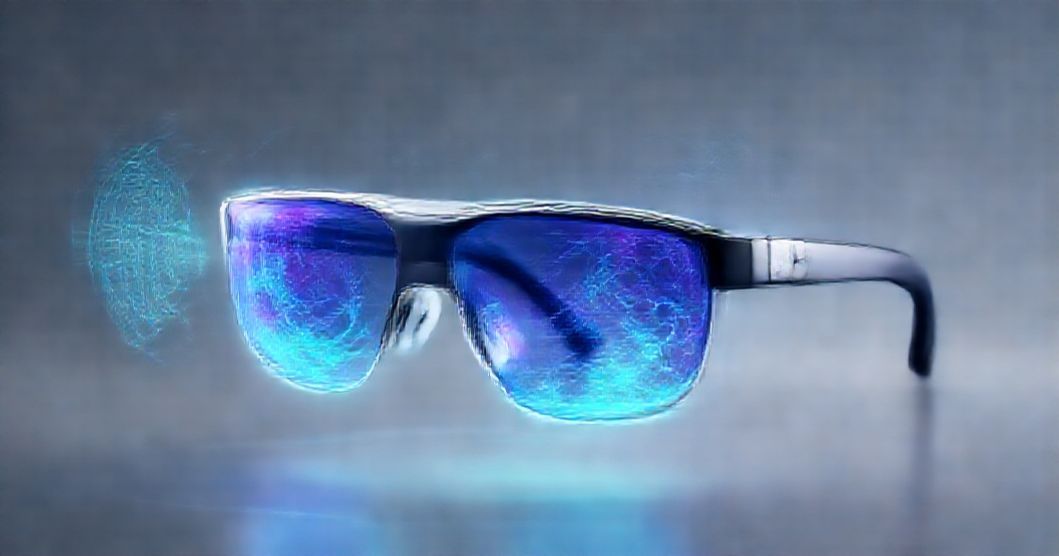
In a world increasingly shaped by digital innovation, the line between our physical reality and the digital realm continues to blur. While smartphones have become extensions of our hands, the next frontier in personal technology is set to become an extension of our vision. Enter AI-powered smart glasses, a groundbreaking category of wearable technology that promises to integrate artificial intelligence seamlessly into our daily lives, right before our very eyes.
These aren’t merely fashion accessories; they represent a significant leap from previous iterations of smart eyewear. By embedding sophisticated AI capabilities directly into frames, these glasses offer more than just notifications – they provide intelligent assistance, real-time insights, and an intuitive new way to interact with the digital world, all while keeping your hands free and your focus on what truly matters.
What Exactly Are AI Smart Glasses?
At their core, AI smart glasses are advanced wearable devices designed to look like conventional eyeglasses but equipped with powerful internal hardware. This includes micro-cameras, speakers, microphones, and crucially, an embedded AI processor. Unlike early smart glasses that primarily served as display extensions for smartphones, modern AI versions boast onboard artificial intelligence capable of processing information, responding to voice commands, and even understanding contextual cues from the wearer’s environment. They operate more like a truly intelligent personal assistant integrated into your vision.
The goal is not to distract but to enhance. By offering pertinent information or functionality precisely when needed, these glasses aim to reduce reliance on constantly checking a smartphone, allowing for a more present and fluid experience of the world around you. They represent a significant step towards ambient computing, where technology fades into the background, providing support without demanding constant attention.
Key Innovations Redefining Wearable Tech
The latest generation of AI smart glasses are packed with features that go far beyond simple screen mirroring:
Intelligent AI Integration
- Voice Commands and Assistant: Users can effortlessly control the glasses, ask questions, make calls, or dictate messages using natural voice commands. The embedded AI assistant can understand context, providing smarter, more relevant responses.
- Real-time Information: From quick facts about landmarks to translation of foreign languages, the AI can process visual and auditory data to deliver instant, relevant information directly to the wearer or through audio cues.
- Contextual Awareness: Advanced sensors allow the glasses to understand their environment, whether it’s identifying objects, recognizing faces (with privacy safeguards), or interpreting scenes to offer helpful suggestions.
Enhanced Audio and Communication
- Open-Ear Audio: Discreet speakers built into the temples direct sound towards your ears, providing a personal audio experience for calls, music, or podcasts, while still allowing you to hear your surroundings. This design promotes safety and situational awareness.
- High-Quality Microphones: Multiple microphones with noise-cancellation ensure crystal-clear voice pick-up for calls and AI interactions, even in noisy environments.
First-Person Content Capture
- Integrated Cameras: Small, high-resolution cameras allow for hands-free photo and video capture from a first-person perspective. This is invaluable for content creators, documentarians, or simply for capturing authentic moments without interrupting the flow of an experience.
- Live Streaming Capabilities: Some models allow users to live stream their perspective directly to social media platforms, offering an immersive way to share experiences with friends and followers in real time.
Design, Comfort, and Privacy
- Stylish and Lightweight Design: A major focus has been on making these glasses indistinguishable from regular eyewear, ensuring comfort for all-day wear and reducing social friction. Leading brands are collaborating with fashion houses to achieve this.
- Privacy Indicators: To address privacy concerns, many smart glasses include visible LED lights that illuminate when the camera is recording, signaling to those around you that content is being captured. This transparency is crucial for public acceptance.
Transforming Daily Life: Practical Applications
The implications of AI smart glasses extend across numerous aspects of daily living:
- Seamless Communication: Make calls, send texts, or join video conferences without ever touching your phone. Ideal for multitasking or when your hands are full.
- Enhanced Navigation: Receive turn-by-turn directions visually or audibly, overlaid onto your view or whispered in your ear, allowing you to stay oriented without staring at a screen.
- Personalized Learning: Instantly look up information about objects, people, or places you encounter, turning every interaction into a learning opportunity.
- Accessibility and Assistance: Features like real-time captioning for conversations or object identification can provide significant benefits for individuals with hearing or visual impairments.
- Memory Augmentation: Quickly capture moments or details you might otherwise forget, creating a personal visual diary that can be revisited.
Challenges and The Road Ahead
Despite their promise, AI smart glasses face hurdles. Battery life remains a significant challenge, as integrating powerful AI chips and cameras into a small form factor demands efficient power management. Public perception and privacy concerns also require careful navigation; ensuring transparent data handling and educating users about responsible usage will be critical for widespread adoption. Furthermore, seamless integration with existing digital ecosystems and developer support for innovative applications will determine the depth of their utility.
Looking forward, we can anticipate more advanced augmented reality (AR) capabilities, where digital information is not just relayed but intelligently overlaid onto the real world. Imagine identifying a plant and instantly seeing its care instructions floating above it, or recognizing a friend and seeing their latest social media updates subtly appear. The evolution of AI smart glasses is poised to redefine how we perceive and interact with information, bringing the digital world closer to our natural human experience.
This emerging category of wearable technology is more than just a novelty; it represents a fundamental shift in how we access and process information. As AI becomes increasingly sophisticated and hardware becomes more compact, smart glasses are set to become an indispensable tool, offering a truly intuitive and intelligent interface for the future.