
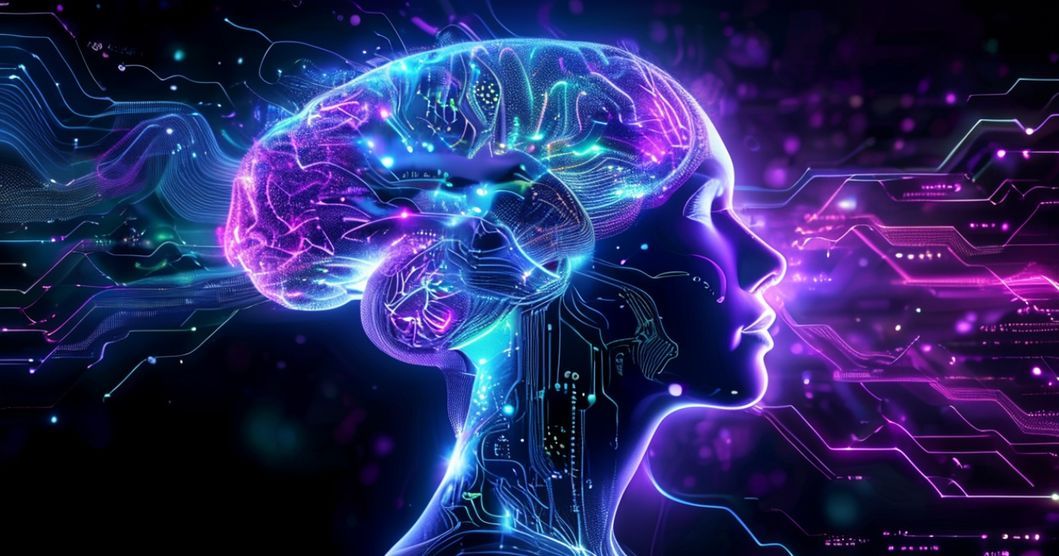
In a world constantly pushing the boundaries of what’s possible, few technological advancements spark as much wonder and potential as Brain-Computer Interfaces (BCIs). Imagine controlling a computer, a prosthetic limb, or even communicating complex thoughts, all through the power of your mind. This isn’t science fiction anymore; it’s a rapidly evolving reality that promises to redefine human interaction with technology and even human capability itself. BCIs are at the forefront of neurotechnology, bridging the gap between our biological brains and the digital world, offering unprecedented opportunities for medical breakthroughs, enhanced human experiences, and a deeper understanding of the mind.
What Exactly is a Brain-Computer Interface?
At its core, a Brain-Computer Interface is a direct communication pathway between an enhanced or wired brain and an external device. It’s a system that records brain signals, decodes them, and then translates these neural patterns into commands that external technology can understand and execute. The ultimate goal is to allow individuals to interact with computers or other devices without needing physical movement or speech, relying solely on their thoughts or intentions.
These interfaces generally fall into two main categories: invasive and non-invasive. Invasive BCIs involve surgical implantation of electrodes directly into the brain tissue, offering high-fidelity signal acquisition but carrying inherent risks. Non-invasive BCIs, on the other hand, typically use external sensors like EEG (electroencephalography) caps to detect brain activity from outside the skull, making them safer but generally less precise.
Revolutionizing Medicine: Current BCI Applications
The most profound and immediate impact of BCI technology is being felt in the medical field, particularly for individuals with severe motor impairments. For those paralyzed by spinal cord injuries, ALS, stroke, or other neurological conditions, BCIs offer a renewed sense of autonomy and connection.
- Prosthetic Control: Users can learn to control advanced robotic arms or legs with their thoughts, restoring a degree of mobility and independence previously unimaginable.
- Communication Devices: BCIs enable “locked-in” patients, who are fully conscious but unable to move or speak, to communicate by thinking specific commands or selecting letters on a screen. This has been life-changing for many, giving them a voice and a way to interact with the world again.
- Rehabilitation: Emerging applications include using BCIs to aid in stroke recovery by helping patients “relearn” motor functions, stimulating neural pathways through thought-controlled exercises.
These applications underscore the transformative potential of BCIs to improve quality of life for millions, moving beyond mere assistive technology to truly augment human capabilities.
Beyond Healthcare: The Future Frontier of BCIs
While medical applications remain paramount, the long-term vision for BCIs extends far beyond therapeutic uses. Researchers and innovators are exploring how these interfaces could enhance human abilities and redefine daily interactions:
- Gaming and Virtual Reality: Imagine controlling avatars or navigating virtual worlds with your thoughts, creating immersive experiences that are truly mind-bending.
- Enhanced Productivity: Operating computers, designing complex models, or even composing music directly from thought patterns could revolutionize how we work and create.
- Cognitive Augmentation: Speculative future applications include memory enhancement, direct knowledge transfer, or even thought-to-thought communication, fundamentally altering human cognition and social interaction.
These possibilities, while exciting, also raise significant ethical and societal questions that demand careful consideration.
Key Players and Advancements
The field of BCI is dynamic, with numerous companies and research institutions pushing the envelope. Perhaps the most famous is Neuralink, founded by Elon Musk, which aims to develop ultra-high bandwidth invasive BCIs for medical applications and ultimately for human augmentation. Companies like Synchron are also making significant strides with less invasive, stent-based BCI implants that can be delivered through blood vessels, reducing surgical risk. Academic institutions worldwide are contributing foundational research, exploring new signal processing techniques, material science for implants, and user training protocols.
Challenges and Ethical Considerations
Despite the incredible promise, BCI technology faces considerable hurdles. Technical challenges include improving signal resolution and stability, ensuring long-term biocompatibility of implants, and developing robust, user-friendly decoding algorithms. Safety is paramount, especially for invasive procedures. Beyond the technical, a host of ethical questions loom large:
- Privacy: Who owns your brain data? How can we ensure it’s protected from misuse or exploitation?
- Equity and Access: Will this transformative technology be accessible to everyone, or will it exacerbate existing societal inequalities?
- Autonomy and Identity: If our thoughts can directly control external devices, how might this affect our sense of self and free will?
- Security: Could BCIs be hacked, potentially allowing unauthorized access to an individual’s thoughts or control over their devices?
Addressing these concerns will be critical as BCI technology moves from the lab into broader application.
The Road Ahead for Brain-Computer Interfaces
Brain-Computer Interfaces are not just another gadget; they represent a fundamental shift in how humans might interact with technology and even perceive their own capabilities. While significant challenges remain, the rapid pace of innovation suggests a future where BCIs play an increasingly vital role in medicine, communication, and perhaps even in defining what it means to be human. As research progresses, ongoing dialogue between scientists, ethicists, policymakers, and the public will be essential to ensure that this powerful technology is developed responsibly, maximizing its benefits while mitigating potential risks. The journey to truly unlock the mind’s potential has only just begun, promising a future as fascinating as it is profound.