
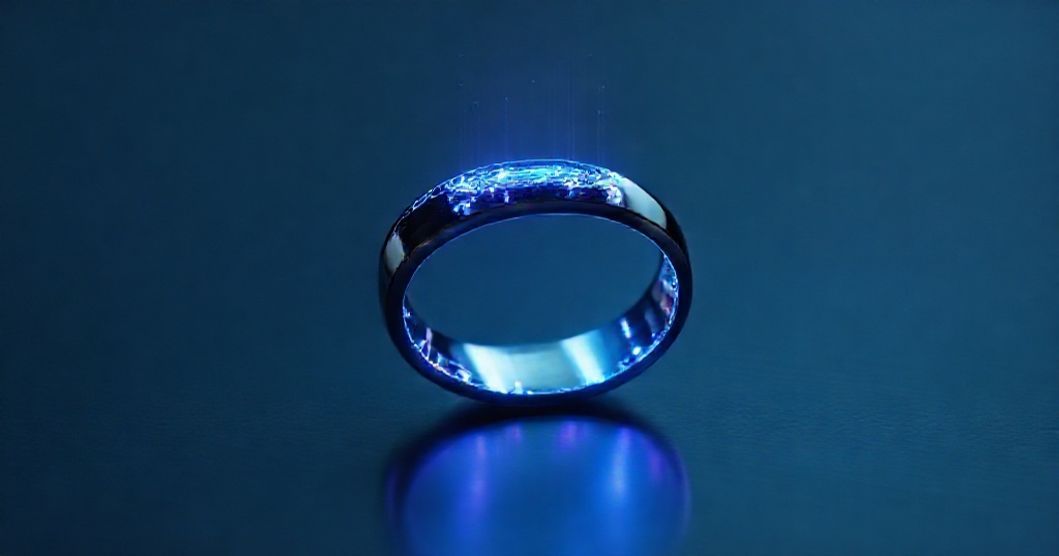
The world of wearable technology has witnessed an incredible evolution, from clunky fitness trackers to sleek smartwatches. Yet, a new contender is quietly making its mark, promising an even more integrated and discreet experience: the smart ring. These miniature marvels, packed with sensors and smart capabilities, are poised to redefine how we monitor our health, manage our daily lives, and interact with the digital world, all from the comfort of our finger.
The Discreet Power of Wearable Innovation
Smartwatches have long dominated the wearable tech scene, offering a wealth of features from notifications to fitness tracking. However, their prominence often comes with trade-offs: bulkiness, frequent charging, and aesthetics that don’t always align with personal style. Enter the smart ring – an elegant, less intrusive alternative delivering significant utility without the visual footprint of a wrist-worn device.
Imagine a device that silently tracks your sleep, monitors your heart rate, and even facilitates contactless payments, all while blending seamlessly with your existing jewelry. This vision is rapidly becoming a reality, spearheaded by innovators determined to shrink powerful technology into an everyday accessory.
What Exactly is a Smart Ring?
At its core, a smart ring is a finger-worn wearable device equipped with a suite of sensors, a tiny battery, and often Bluetooth connectivity. Unlike smartwatches with vibrant screens and interactive interfaces, smart rings prioritize subtlety and passive data collection. They are designed for continuous wear, gathering vital information about your body and environment without demanding constant attention.
Early iterations focused on basic fitness tracking and notifications. Recent advancements, however, have dramatically expanded their capabilities, transforming them into comprehensive health and lifestyle companions.
Key Features and Emerging Capabilities
- Advanced Health Monitoring: Smart rings excel at tracking crucial health metrics. This includes continuous heart rate monitoring, blood oxygen levels, skin temperature, and highly detailed sleep analysis, offering insights into sleep stages, duration, and quality. They can also track respiratory rate and heart rate variability (HRV), providing a holistic view of your body’s recovery and stress levels.
- Fitness and Activity Tracking: From step counts and calorie burn to specific workout tracking, smart rings offer robust fitness features. Their compact size makes them comfortable for all types of physical activity, providing accurate data without being cumbersome.
- Contactless Payments and Access: Equipped with Near Field Communication (NFC) technology, many smart rings function as a digital wallet. A simple tap at a compatible terminal allows for secure payments, eliminating the need to carry cards or a phone. Some even offer keyless entry for smart locks or car access.
- Subtle Notifications and Alerts: Lacking a screen, smart rings provide discreet haptic feedback (vibrations) for incoming calls, messages, or calendar alerts. This allows users to stay connected without constantly checking their phone.
- Emerging Gesture Control: The frontier of smart ring technology is exploring gesture control. Imagine controlling smart home devices, presentations, or music playback with subtle hand movements while wearing your ring. This promises a truly intuitive and hands-free interaction experience.
The Samsung Galaxy Ring: A Major Player Enters the Fray
The smart ring market, once dominated by pioneering brands like Oura, is now seeing significant interest from major tech giants. The announcement and upcoming release of the Samsung Galaxy Ring represent a pivotal moment. Samsung’s entry is expected to bring widespread awareness and legitimacy to smart rings, potentially accelerating their mainstream adoption.
While full details are still emerging, expectations for the Galaxy Ring include deep integration with the Samsung Health ecosystem, delivering comprehensive health and wellness insights. It’s anticipated to offer advanced sleep tracking, heart rate monitoring, and perhaps even features like blood flow measurement or detailed activity analysis, leveraging Samsung’s extensive experience. This move by Samsung underscores the growing belief in the smart ring’s potential to complement, or even partially replace, smartwatches for users seeking a more minimalist approach.
Beyond the Horizon: What’s Next for Smart Rings?
The future of smart rings is brimming with exciting possibilities. We can anticipate even more sophisticated biometric sensors, potentially leading to non-invasive continuous glucose monitoring (CGM) for diabetics, advanced stress detection, and predictive health analytics powered by AI. Imagine a ring that proactively suggests ways to improve your health based on long-term data trends.
Battery life, already impressive, is expected to improve further, with some manufacturers exploring kinetic charging or body heat harvesting. Design will also evolve, offering a wider range of styles, materials, and customization options to appeal to diverse tastes, solidifying the smart ring’s place as both a tech gadget and a fashion accessory.
Advantages Over Traditional Wearables
Smart rings offer several distinct advantages:
- Unparalleled Discretion: They blend seamlessly into everyday life, ideal for professional settings or users who prefer a minimalist aesthetic.
- Superior Comfort: Worn on the finger, they are often more comfortable for continuous wear, especially during sleep, leading to more accurate and uninterrupted data collection.
- Extended Battery Life: Without a power-hungry screen, smart rings typically boast multi-day, sometimes multi-week, battery lives, significantly reducing charging frequency.
- Passive Data Collection: Their unobtrusive nature encourages constant wear, resulting in a richer, more consistent dataset for health and fitness insights.
Challenges and Considerations
Despite their promise, smart rings face certain challenges. Ensuring the accuracy of miniaturized sensors within such a compact form factor is paramount. User adoption will also depend on pricing, perceived value, and the comfort of wearing a device on the finger consistently. Furthermore, the lack of a visual display means interaction is limited, relying on app integration for detailed insights.
Ultimately, smart rings are not merely smaller versions of smartwatches; they represent a fundamental shift in wearable philosophy. They embody the idea that the most powerful technology can also be the most unobtrusive. As major players like Samsung invest heavily in this category, we are entering an exciting era where health monitoring, smart interactions, and personal style converge on a single, elegant digit.
The smart ring isn’t just a gadget; it’s a testament to how technology can become an invisible extension of ourselves, quietly empowering us with insights and conveniences that enhance our well-being and simplify our lives.