
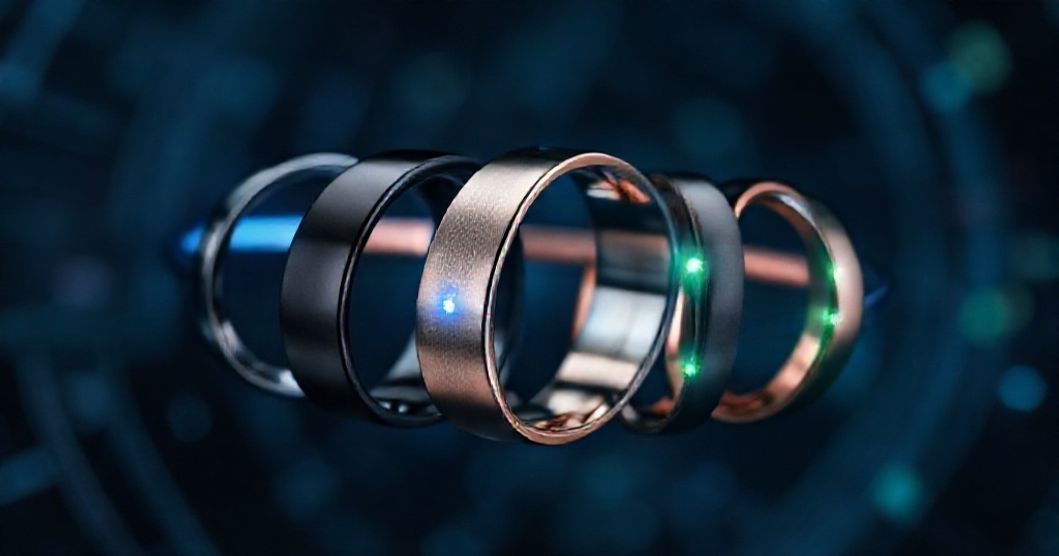
In the rapidly evolving landscape of wearable technology, a new contender is quietly slipping onto the scene, promising to redefine how we interact with our digital lives and monitor our well-being: the smart ring. Moving beyond the bulk of smartwatches and the simplicity of fitness bands, these elegant, minimalist devices are captivating tech enthusiasts and health-conscious individuals alike. They represent a significant leap in discreet, continuous data collection, offering a blend of style, convenience, and powerful functionality right at your fingertip.
For years, our wrists have been the primary canvas for wearable tech, from basic step counters to sophisticated smartwatches capable of intricate tasks. However, the smart ring offers a compelling alternative, leveraging its unique position for enhanced accuracy and unparalleled subtlety. It’s a testament to miniaturization and advanced sensor technology, packing a surprising amount of power into a form factor that often goes unnoticed.
Beyond the Smartwatch: What Can Smart Rings Do?
Don’t let their compact size fool you; smart rings are engineered to perform a diverse range of functions, often mirroring or even surpassing certain capabilities of their larger counterparts. Their design allows for intimate contact with the skin, which can sometimes lead to more precise biometric data collection.
Comprehensive Health and Fitness Tracking
At the core of many smart rings is an impressive suite of health and fitness monitoring features. They typically track your heart rate, heart rate variability (HRV), sleep patterns (including stages like REM, deep, and light sleep), skin temperature variations, and daily activity levels. Some advanced models even incorporate blood oxygen saturation (SpO2) monitoring and stress detection. This continuous, passive monitoring provides invaluable insights into your body’s recovery, readiness, and overall health trends, empowering users to make more informed lifestyle choices.
Seamless Contactless Payments and Access
Imagine leaving your wallet and phone behind, yet still being able to make purchases with a simple tap of your finger. Many smart rings now integrate NFC (Near Field Communication) technology, enabling secure contactless payments wherever supported. Beyond transactions, some rings can also act as digital keys for smart locks, public transport, or even access control systems, streamlining daily interactions and reducing the need to carry multiple items.
Smart Home Control and Device Interaction
While still an emerging feature, some smart rings are beginning to offer basic control over smart home devices. Picture adjusting your thermostat, turning lights on or off, or even initiating routines with a simple gesture or tap on your ring. This hands-free interaction paves the way for a more intuitive smart living experience, integrating wearable tech seamlessly into your connected environment.
Discreet Notifications and Connectivity
While not designed to display full messages like a smartwatch, smart rings can provide subtle notifications through haptic feedback (vibrations) to alert you to incoming calls, messages, or app alerts. This allows users to stay connected without constantly glancing at a screen, maintaining focus and presence in their daily activities. Some rings even offer basic gesture controls to dismiss calls or control media playback.
Leading the Charge: Key Players and Future Vision
The smart ring market, though nascent, is quickly gaining momentum. The Oura Ring has long been a pioneer, establishing itself as a leader in health and sleep tracking with its sophisticated sensors and intuitive app. Its focus on recovery and readiness scores has resonated deeply with athletes and wellness enthusiasts.
More recently, tech giants are entering the fray. Samsung’s Galaxy Ring, unveiled at CES 2024, signals a significant validation of the category. Expected to integrate deeply within Samsung’s existing health and smart ecosystem, it promises to bring smart rings to a much broader mainstream audience. Other innovative brands like Ultrahuman and Movano Health are also pushing the boundaries with their unique features and health-centric approaches, each aiming to carve out its niche in this exciting space.
Why Choose a Smart Ring? Unpacking the Advantages
The appeal of smart rings extends beyond their technological prowess; it’s also rooted in their design philosophy and user experience.
- Unobtrusive Design: Unlike bulkier smartwatches, rings are incredibly discreet. They blend seamlessly with traditional jewelry, making them a perfect choice for those who prefer minimalism or professional aesthetics.
- Superior Comfort: Worn on the finger, smart rings are often more comfortable for continuous wear, especially during sleep. Their lightweight nature means you barely notice them.
- Longer Battery Life: Due to their focused functionalities and lack of a power-hungry display, many smart rings boast multi-day battery lives, often lasting a week or more on a single charge.
- Enhanced Data Accuracy: The finger’s proximity to the body’s core and arteries can provide a stable and consistent site for biometric data collection, potentially offering more accurate readings for metrics like heart rate and temperature.
Challenges and the Road Ahead
Despite their promise, smart rings face challenges. User adoption requires convincing consumers of their unique value proposition over established wearables. Data privacy and security, especially with continuous biometric monitoring, will remain critical considerations. Furthermore, integrating seamlessly with diverse ecosystems and expanding their capabilities beyond health tracking are key to widespread appeal.
The future of smart rings is incredibly bright. We can anticipate advancements in sensor technology, leading to even more precise and comprehensive health insights. Integration with augmented and virtual reality devices, acting as intuitive controllers, is a fascinating possibility. As technology continues to miniaturize and user interfaces become more natural, smart rings are poised to become an indispensable tool for personal health management, digital interaction, and a more streamlined daily life.
These tiny powerhouses are more than just a fashion statement; they are a sophisticated blend of form and function, quietly pushing the boundaries of what wearable technology can be. They offer a glimpse into a future where our most essential digital tools are not just on us, but intrinsically part of us, enhancing our lives with unparalleled subtlety and intelligence.