
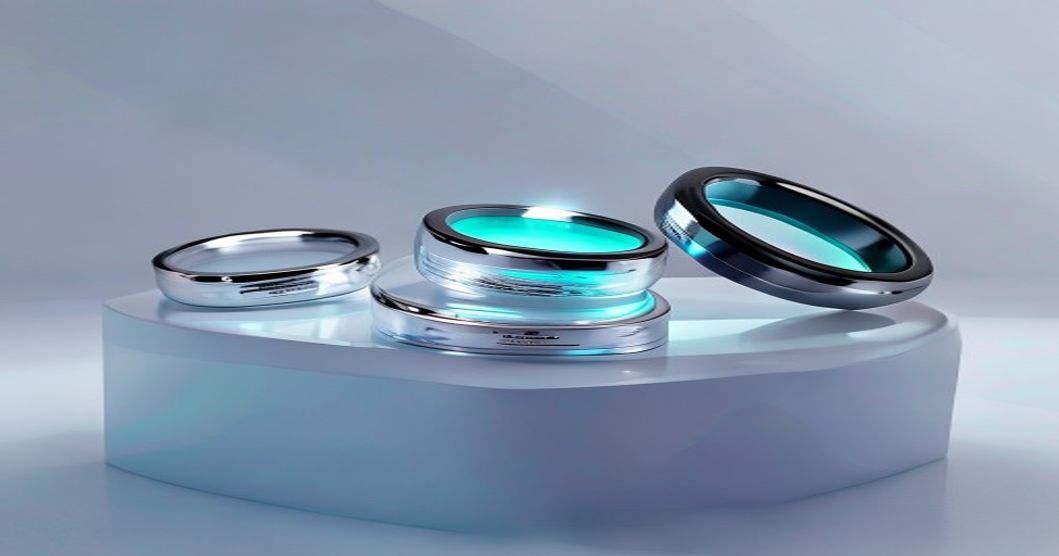
In the rapidly evolving world of wearable technology, smart rings are emerging as a fascinating and increasingly popular alternative to smartwatches. These discreet, elegant devices pack a powerful punch, offering a wealth of health tracking capabilities and convenience features in a form factor that seamlessly blends into daily life. For those seeking advanced insights without the bulk of a wrist-worn gadget, smart rings represent a significant leap forward in personal tech.
No longer just a novelty, smart rings are carving out a distinct niche by combining sophisticated sensor technology with minimalist design. They appeal to a demographic that values both aesthetics and functionality, proving that cutting-edge innovation doesn’t always have to be conspicuous.
Beyond Traditional Fitness Trackers
While many are familiar with fitness trackers and smartwatches, smart rings offer a unique proposition. Their primary differentiator lies in their unobtrusive nature and the quality of data they can collect from the finger. Unlike wrist-worn devices that can sometimes feel cumbersome or out of place in certain settings, a smart ring is often indistinguishable from a regular piece of jewelry, yet it works tirelessly in the background to monitor crucial health metrics.
This discreet design is a major draw for individuals who prefer not to wear a watch or who find existing wearables too bulky. The continuous, passive tracking from the finger provides highly accurate data, particularly for metrics like heart rate variability and body temperature, which are vital for holistic health assessments.
Key Features and Benefits of Smart Rings
The functionality packed into these small devices is impressive, often rivaling or even surpassing that of larger wearables in specific areas.
Health and Wellness Monitoring
- Advanced Sleep Tracking: Smart rings excel at monitoring sleep quality. Devices like the Oura Ring meticulously track sleep stages (REM, deep, light), duration, efficiency, and disturbances. They then provide a comprehensive “readiness score” or “sleep score” each morning, offering actionable insights into recovery and energy levels for the day ahead.
- Activity and Recovery Insights: While they track daily steps and calories like conventional trackers, smart rings often go deeper. They monitor heart rate variability (HRV), a key indicator of stress and recovery. By correlating activity with HRV and sleep data, they help users understand their body’s capacity for exertion and when to prioritize rest.
- Body Temperature Sensing: Many smart rings incorporate precise skin temperature sensors. This data can be invaluable for early detection of illness, as a slight elevation can signal an oncoming fever. For women, continuous temperature tracking can also aid in menstrual cycle tracking and fertility awareness, offering a passive and reliable method for understanding physiological changes.
- Stress Management: By analyzing heart rate and HRV trends, some rings provide insights into stress levels throughout the day. This data, often presented with guided mindfulness exercises in companion apps, empowers users to proactively manage their well-being.
Convenience and Everyday Use
- Contactless Payments: A growing number of smart rings are integrating NFC (Near Field Communication) technology, allowing users to make secure, contactless payments with a simple tap of their finger. This eliminates the need to carry cards or even a phone for quick transactions.
- Subtle Notifications: While they don’t have screens, some smart rings can deliver subtle haptic feedback (vibrations) for incoming calls, messages, or calendar alerts, keeping users connected without constant screen-gazing.
- Smart Home Control & Security: Future iterations and niche products are exploring gesture controls for smart home devices or even using the ring as a secure authenticator for unlocking devices and accessing digital services.
Leading Players and Future Innovations
The smart ring market is currently spearheaded by a few key players, with new entrants continually pushing the boundaries of what’s possible.
- Oura Ring: Often considered the pioneer in the mainstream smart ring space, the Oura Ring has set the standard for sleep tracking and readiness scores. Its focus on holistic well-being has garnered a loyal user base.
- Samsung Galaxy Ring: Samsung’s highly anticipated entry into the market promises to bring the might of a tech giant to the smart ring form factor. Expected to integrate deeply with the Samsung Health ecosystem, it could significantly expand the market’s reach and functionality.
- Movano Evie Ring: This ring stands out with its specific focus on women’s health, offering features tailored for menstrual cycle tracking, ovulation prediction, and symptom logging, alongside general health metrics.
- Other Innovators: Companies like McLear and various smaller startups are also contributing to the ecosystem, focusing on niche functionalities such as advanced payment systems or specialized sensor arrays.
Challenges and the Road Ahead
Despite their appeal, smart rings face challenges. Battery life remains a key consideration, as packing powerful sensors and processing into a tiny form factor demands efficient power management. Accuracy and medical-grade validation are also ongoing areas of development, particularly as these devices move towards more diagnostic capabilities.
Data privacy is another crucial aspect, as these rings collect intimate personal health data. Ensuring robust security and transparent data usage policies will be paramount for widespread adoption. The future, however, looks incredibly promising. We can expect to see further miniaturization, enhanced sensor accuracy, longer battery life, and seamless integration with broader digital health platforms. Imagine smart rings acting as your universal digital key, health guardian, and payment method, all from a single, stylish piece of jewelry.
Who Are Smart Rings For?
Smart rings are ideal for health-conscious individuals who desire deep insights into their well-being without the constant presence of a screen. They appeal to minimalists who prefer understated technology, athletes seeking advanced recovery metrics, and anyone looking for a discreet yet powerful tool to optimize their health and simplify their daily interactions.
As technology continues to shrink and become more integrated into our lives, smart rings are poised to become an indispensable part of the wearable tech landscape. Their blend of sophisticated health monitoring, subtle convenience, and elegant design marks them as truly exciting innovations to watch.