
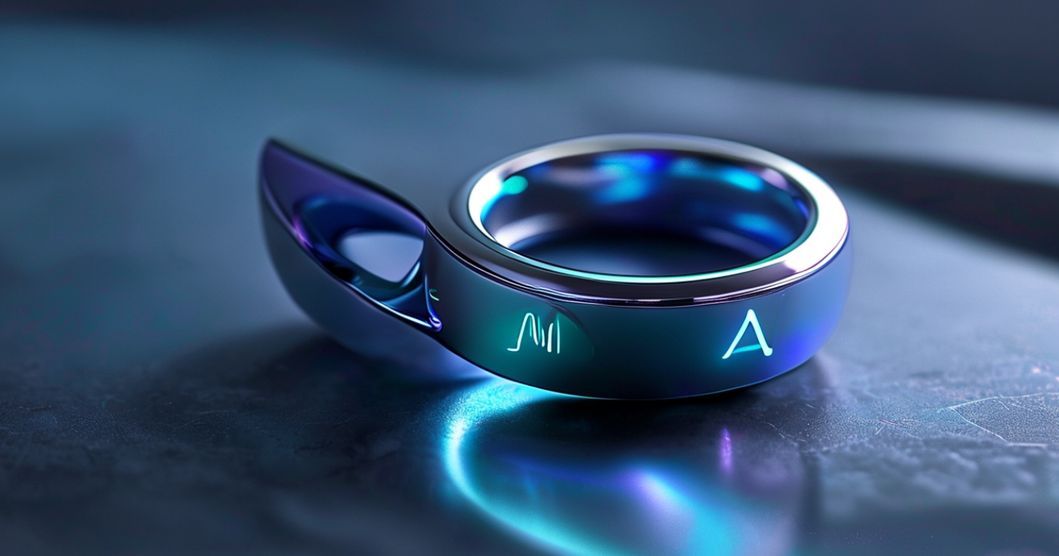
In a world increasingly saturated with smart devices, a new contender has emerged, subtly yet powerfully, to redefine personal technology: the smart ring. Moving beyond the bulk of smartwatches and fitness bands, these miniaturized marvels blend cutting-edge sensors with sleek design, offering a discreet yet comprehensive approach to health tracking, contactless payments, and even basic device control. As technology continues its relentless march towards greater integration and subtlety, smart rings are carving out a unique niche, promising a future where your most vital data is literally at your fingertips.
What Exactly is a Smart Ring?
A smart ring is essentially a compact wearable device, designed to be worn on a finger, that integrates various sensors and connectivity features. Unlike a smartwatch, it typically lacks a screen, relying instead on companion smartphone apps for data visualization and interaction. This screen-less design is a deliberate choice, prioritizing discretion, comfort, and extended battery life over immediate information display.
These rings are engineered to be lightweight, durable, and often waterproof, making them suitable for continuous wear. They represent a significant leap in miniaturization, packing sophisticated technology into a form factor that is both fashionable and functional. For many, the appeal lies in their ability to offer robust health insights without the visual intrusiveness or charging frequency associated with larger wearables.
Key Innovations Driving Smart Ring Popularity
The growing interest in smart rings isn’t just about their sleek appearance; it’s driven by a host of impressive features and technological advancements:
Advanced Health and Wellness Monitoring
- Comprehensive Sleep Tracking: Smart rings excel at monitoring sleep stages (REM, deep, light), duration, quality, and even restlessness. They provide detailed insights into your nocturnal recovery, helping you optimize your sleep habits.
- Heart Rate and Heart Rate Variability (HRV): Continuous heart rate monitoring offers real-time data, while HRV – a key indicator of autonomic nervous system activity – helps assess stress levels, recovery status, and overall well-being.
- Body Temperature Sensing: Precision temperature sensors can detect subtle changes, useful for early illness detection, understanding menstrual cycles, and optimizing workout recovery.
- Activity and Calorie Tracking: Much like traditional fitness trackers, smart rings accurately count steps, measure distance, estimate calories burned, and can even identify different types of physical activity.
Seamless Payment and Access Solutions
Many smart rings integrate NFC (Near Field Communication) technology, transforming your finger into a convenient payment tool. A simple tap at compatible terminals allows for swift, secure transactions, leaving your wallet or phone tucked away. Beyond payments, NFC can also be used for digital keys, granting access to smart locks or even starting compatible vehicles, further enhancing convenience and security.
Discreet Notifications and Device Control
While lacking a screen, some smart rings can provide subtle haptic feedback (vibrations) for incoming calls, messages, or app alerts, allowing you to stay connected without constantly checking your phone. Future iterations are exploring basic gesture controls for smart home devices, music playback, or even camera activation, adding another layer of intuitive interaction.
Exceptional Battery Life and Durability
One of the most significant advantages of smart rings over smartwatches is their battery performance. Due to their screen-less design and optimized power consumption, many models can last for 4-7 days on a single charge, sometimes even longer, dramatically reducing charging frequency. Coupled with robust, often waterproof designs using materials like titanium or ceramic, these rings are built for continuous, worry-free wear.
Leading the Charge: Notable Smart Ring Players
The smart ring market is currently dominated by a few key players, with new entrants continually emerging:
- Oura Ring: Often considered the pioneer in the health-focused smart ring space, Oura is renowned for its highly accurate sleep and recovery tracking, guided by its comprehensive app and Readiness Score.
- Ultrahuman Ring AIR: A strong competitor, the Ultrahuman Ring AIR focuses on metabolic health, sleep, and recovery, boasting a lightweight design and robust sensor package.
- Movano Evie Ring: This FDA-cleared device specifically caters to women’s health, offering insights into menstrual cycles, ovulation tracking, and mood, alongside general health metrics.
- Samsung Galaxy Ring (Upcoming): Samsung’s highly anticipated entry into the market is expected to bring formidable competition, leveraging its vast ecosystem and manufacturing prowess to deliver a feature-rich smart ring integrated with Samsung Health.
Who Can Benefit from a Smart Ring?
Smart rings appeal to a diverse range of individuals:
- Health Enthusiasts: Those serious about tracking sleep, recovery, and overall well-being appreciate the continuous, accurate data.
- Minimalists: Individuals who prefer discreet technology that doesn’t draw attention or clutter their wrists.
- Fashion-Conscious Users: The sleek, jewelry-like design allows for seamless integration into personal style.
- Athletes: For monitoring recovery metrics and performance trends without the distraction of a larger device during training.
- Convenience Seekers: Anyone who values effortless contactless payments and subtle notifications.
The Road Ahead: Challenges and Future Potential
While smart rings offer immense promise, they do face challenges. Accuracy of certain metrics can vary between devices, and their screen-less nature limits immediate interaction. The price point for premium models can also be a barrier for some consumers. However, the future looks incredibly bright for this category.
We can expect to see advancements in sensor technology, potentially including blood pressure monitoring, non-invasive glucose tracking, and even richer environmental data. Integration with augmented reality (AR) experiences, haptic feedback for richer interactions, and seamless connectivity within broader smart home ecosystems are also on the horizon. As miniaturization continues and AI algorithms become more sophisticated, smart rings could evolve into truly indispensable personal health and interaction hubs, making our digital lives more seamless, informed, and truly integrated with our physical selves.