
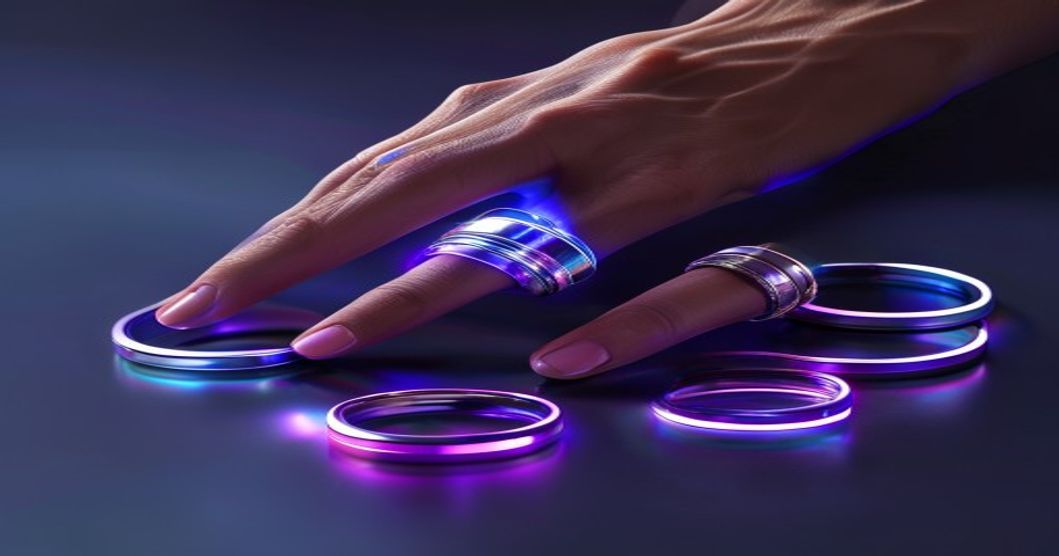
Smart rings are no longer just a futuristic concept; they are rapidly becoming a mainstream accessory, redefining how we interact with technology and monitor our well-being. From simple payment devices to sophisticated health trackers, these compact wearables pack an impressive punch. The most exciting recent development, however, is the deep integration of Artificial Intelligence (AI), transforming them from mere data collectors into intelligent personal assistants right on your finger.
For years, the wearable tech market has been dominated by smartwatches and fitness bands. While incredibly useful, their bulk and display-centric design aren’t for everyone. Smart rings offer a discreet, fashionable, and always-on alternative, promising a seamless blend of technology and everyday life. With AI at their core, these tiny devices are now capable of delivering insights and functionalities that were once the exclusive domain of much larger, more complex gadgets.
What Are Smart Rings?
At their core, smart rings are miniature electronic devices worn on a finger, designed to offer a range of functionalities typically found in larger wearables. They combine an array of sensors, microprocessors, and communication modules into a discreet, fashionable form factor. Early versions primarily focused on basic tasks such as contactless payments, notification alerts, or simple activity tracking. However, with significant advancements in miniaturization, sensor technology, and battery efficiency, their capabilities have expanded dramatically, setting the stage for AI integration.
Unlike smartwatches that demand frequent interaction with a screen, smart rings are designed for passive data collection and background operation. This “set it and forget it” approach makes them ideal for continuous monitoring without being intrusive, which is a key factor in their growing appeal, especially in health and wellness tracking.
The Rise of AI in Wearables
The true game-changer for smart rings, and indeed for all wearable technology, is the infusion of Artificial Intelligence. AI algorithms are crucial for processing the vast amounts of data collected by these devices – from heartbeats and steps to skin temperature and sleep patterns. Instead of merely presenting raw numbers, AI interprets complex patterns, identifies subtle trends, and provides actionable, personalized insights. This shift moves wearables beyond passive monitoring towards proactive guidance, making them invaluable tools for health management, productivity, and security.
AI allows smart rings to learn from your unique physiological data and behavioral patterns, offering truly personalized feedback that a generic algorithm simply cannot achieve. It’s the difference between seeing your heart rate and understanding what that heart rate means for your stress levels or recovery status.
Key Innovations in AI Smart Rings
Advanced Health Monitoring
Modern AI smart rings are equipped with a suite of sophisticated sensors that go far beyond basic step counting. They meticulously track vital signs such as heart rate, heart rate variability (HRV), skin temperature, and blood oxygen levels (SpO2) with remarkable accuracy. AI algorithms analyze these continuous data streams to provide comprehensive insights into your sleep architecture (distinguishing between light, deep, and REM stages), recovery status, and even potential illness onset.
For instance, a sudden, sustained rise in skin temperature or a significant drop in HRV, flagged by AI, could indicate the early stages of a cold or an elevated stress response. This allows users to take preventive measures, such as prioritizing rest or managing stress, potentially before symptoms even fully manifest. This level of continuous, passive health monitoring is a game-changer for proactive wellness management.
Predictive Analytics and Personalized Insights
This is where AI truly shines in smart rings. Rather than just reporting what happened, AI-powered smart rings leverage machine learning to predict potential health issues or optimize performance. By analyzing long-term data, they can identify subtle patterns linked to stress, fatigue, or even provide personalized recommendations for improving sleep hygiene or optimizing workout routines. Imagine a ring that suggests a calmer evening activity because it detects higher stress levels throughout your day, or advises on optimal recovery times based on your workout intensity and sleep quality.
This proactive guidance empowers users to make informed decisions about their lifestyle and health, moving beyond simple data logging to genuine personal coaching available 24/7. The more data collected, the smarter and more accurate the AI’s predictions and recommendations become, tailoring the experience uniquely to each individual.
Seamless Interaction and Control
Beyond health, AI is enhancing the interactive capabilities of smart rings. Some innovations include gesture recognition, allowing users to control smart home devices, music playback, or even answer calls with a simple flick of the wrist. NFC (Near Field Communication) capabilities, often paired with secure AI authentication, enable quick and secure contactless payments directly from your finger, eliminating the need to fumble for cards or phones.
As smart rings become more deeply integrated into our digital ecosystems, AI will facilitate more intuitive and context-aware interactions, making them a truly seamless extension of our digital selves. Future iterations could even see AI-driven haptic feedback systems providing subtle, personalized alerts or navigation cues.
Enhanced Security and Authentication
The discreet and always-on nature of smart rings makes them ideal candidates for secure authentication. AI algorithms can analyze unique biometric data – such as your walking gait, heart rhythm patterns, or even the unique way you gesture – to provide continuous, passive authentication. This could revolutionize digital security by eliminating the need for cumbersome passwords or PINs for unlocking devices, accessing secure systems, or authorizing payments.
The ring essentially becomes your secure digital identity, offering both unparalleled convenience and a robust layer of security against unauthorized access. This continuous, multi-factor authentication orchestrated by AI promises a future where digital security is both effortless and impenetrable.
Leading Players and Future Prospects
Companies like Oura have pioneered the smart ring market, focusing heavily on health and wellness tracking with sophisticated AI analysis. The recent announcement of the Samsung Galaxy Ring signals a major entry from a tech giant, promising even broader adoption and innovation, particularly with its integration into a wider health ecosystem. As technology matures, we can expect smart rings to become even more powerful, potentially integrating blood pressure monitoring, continuous glucose monitoring, and more advanced biometric authentication methods.
The future points towards a highly personalized and integrated wearable experience, where the ring acts as a central hub for our digital and physical well-being, seamlessly connecting us to our smart environments and providing invaluable insights into our health.
Benefits for the User
The advantages of AI-powered smart rings are manifold. They offer a discreet and comfortable alternative to bulkier wearables, fitting seamlessly into daily life without drawing undue attention. Users gain access to continuous, highly accurate health data and, more importantly, AI-driven insights that help them understand and actively improve their health, manage stress, and optimize physical and mental performance.
The convenience of contactless payments, smart home control, enhanced digital security, and personalized feedback all packaged into a stylish, unobtrusive accessory makes them incredibly appealing to a wide range of consumers looking for intelligent, effortless technology.
Challenges and Considerations
Despite their immense potential, smart rings face several challenges. Accuracy and reliability of sensor data are paramount, especially for health applications where incorrect readings could lead to misguided decisions. Battery life remains a key constraint, though advancements are continually improving runtimes. Data privacy and security are also critical concerns, as these devices collect highly sensitive personal information. Ensuring robust encryption, transparent data handling policies, and compliance with privacy regulations will be essential for widespread user trust and adoption.
Finally, consumer adoption will depend on balancing advanced functionality with elegant design, competitive cost, and a clear demonstration of perceived value. As the market matures, these challenges will undoubtedly drive further innovation and refinement.
A Glimpse into Tomorrow’s Wearables
AI-powered smart rings represent a significant leap forward in wearable technology. They embody the promise of ubiquitous computing – powerful intelligence in an unobtrusive, always-present form factor. As AI continues to evolve and miniaturization pushes the boundaries of what’s possible, these rings are poised to become indispensable tools, silently empowering us with insights, convenience, and control over our digital and physical worlds.
They are not just gadgets; they are intelligent companions, quietly working in the background to make our lives healthier, safer, and more connected, seamlessly integrating technology into the very fabric of our daily existence.