
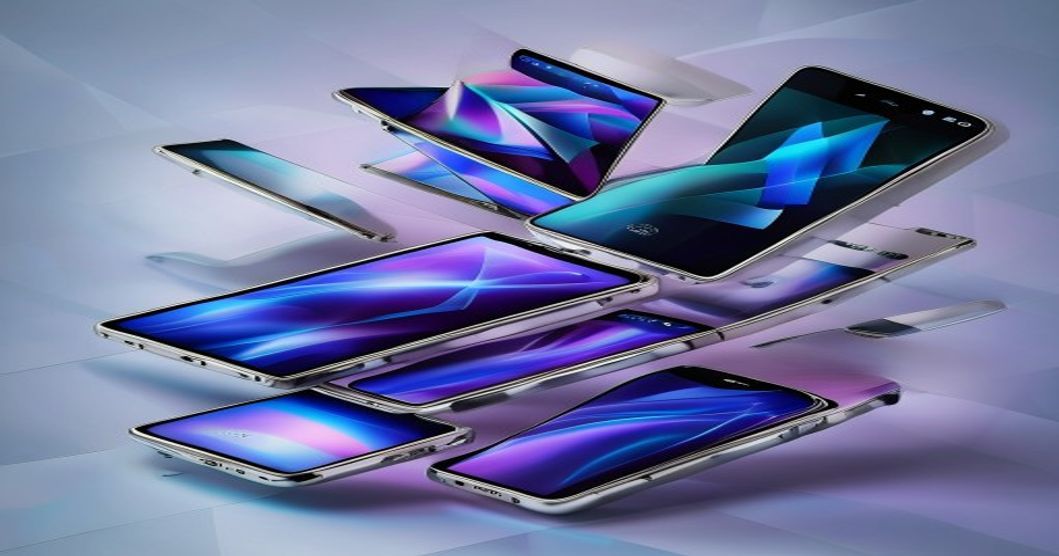
The smartphone market has long been characterized by incremental updates – faster processors, better cameras, brighter screens. For years, true innovation seemed to plateau. Then came the foldable phone, a device category that promised to reshape our interaction with mobile technology. Initially met with skepticism and concern over durability, today’s foldable smartphones are no longer just expensive novelties; they are rapidly evolving into sophisticated, practical daily drivers, offering a compelling blend of portability and expansive screen real estate.
The Evolution of a Vision: From Concept to Reality
The idea of a phone that folds has been a sci-fi staple for decades. Early prototypes and first-generation foldables, while revolutionary, often felt like proof-of-concept devices. They struggled with visible creases, questionable durability, and bulky designs. However, continuous research and development by tech giants like Samsung, Motorola, and Huawei have transformed these initial hiccups into triumphs of engineering.
Today, we see two primary form factors dominating the foldable market:
- The “Flip” Style: Devices like the Samsung Galaxy Z Flip or Motorola Razr fold vertically, transforming a standard-sized smartphone into a compact, pocketable square. These prioritize portability and style.
- The “Fold” Style: Exemplified by the Samsung Galaxy Z Fold or Google Pixel Fold, these phones open horizontally like a book, revealing a tablet-sized inner display from a regular smartphone footprint. These emphasize productivity and immersive media consumption.
Key Technological Breakthroughs Driving Adoption
Several critical innovations have propelled foldable phones from niche curiosities to increasingly viable options for mainstream consumers. These advancements address the very concerns that plagued earlier models.
Ultra-Thin Glass (UTG) Displays
One of the most significant breakthroughs is the development of Ultra-Thin Glass (UTG) for foldable displays. Early foldables used plastic layers, which were prone to scratches and exhibited a more noticeable crease. UTG, pioneered by companies like Samsung, offers a significantly more durable and premium feel. While still requiring careful handling, UTG provides a smoother surface, better light transmission, and improved scratch resistance compared to its predecessors, making the folding experience much more robust.
Advanced Hinge Mechanisms
The hinge is the heart of any foldable phone, and its evolution has been remarkable. Modern hinges are engineering marvels, designed to be durable, smooth, and resistant to dust and debris. They often incorporate intricate gears and interlocking parts that allow for a seamless fold and unfold motion, sometimes even enabling “Flex Mode” – where the phone can hold its position at various angles, transforming it into a self-standing device for video calls, photography, or hands-free viewing. Many new models also feature water resistance ratings, a testament to improved hinge sealing.
Software Optimization for Multitasking
Hardware is only half the battle; software optimization is crucial for a truly seamless foldable experience. Operating systems like Android have been refined to take full advantage of the unique form factors. Features like multi-active window support, drag-and-drop functionality between apps, and optimized interfaces for the larger internal screen make multitasking a breeze. For flip-style phones, the cover screen has evolved from a basic notification display to a fully interactive mini-screen capable of running widgets, quick replies, and even full apps, enhancing convenience without needing to unfold the device.
The Unmatched User Experience
What truly sets modern foldables apart is the distinctive user experience they offer. They don’t just replace existing phones; they introduce new ways of interacting with our digital world.
- Immersive Entertainment: Unfold a “Fold” style device, and you have a personal cinema in your pocket, perfect for movies, gaming, and reading.
- Enhanced Productivity: The larger canvas allows for true split-screen multitasking, making it ideal for managing emails while reviewing documents, or taking notes during a video call.
- Creative Photography: “Flex Mode” transforms the phone into its own tripod, enabling unique hands-free selfies, stable time-lapses, and creative low-angle shots. You can also use the main camera for selfies while viewing yourself on the cover screen.
- Ultimate Portability: “Flip” phones offer the satisfaction of carrying a powerful smartphone that neatly tucks away into even the smallest pocket or purse, bringing back a sense of tactile satisfaction often lost in the era of monolithic slabs.
Addressing Past Concerns: Durability and Price
While still premium devices, the durability of foldables has vastly improved. Manufacturers now offer better warranty programs and screen protectors specifically designed for foldable displays. The once prominent crease is less noticeable on newer models, often a subtle indent rather than a distracting line. Price, while still a barrier for some, is slowly becoming more competitive as production scales and technology matures. We’re seeing more mid-range options emerging, signaling a broader market reach.
The Horizon: What’s Next for Foldables?
The future of foldable technology looks incredibly promising. We can anticipate even more robust materials, thinner and lighter designs, and further integration with AI to dynamically adjust user interfaces based on the folding angle or application. Concepts like rollable and slidable displays hint at even more flexible form factors that could redefine our devices entirely. As more manufacturers enter the fray, competition will drive innovation and likely lead to even greater affordability, making these cutting-edge devices accessible to a wider audience.
The foldable phone is no longer an experiment; it’s a testament to relentless innovation. It represents a significant leap forward in mobile technology, offering a glimpse into a future where our devices are not just smarter, but also more adaptable, versatile, and truly personal.