
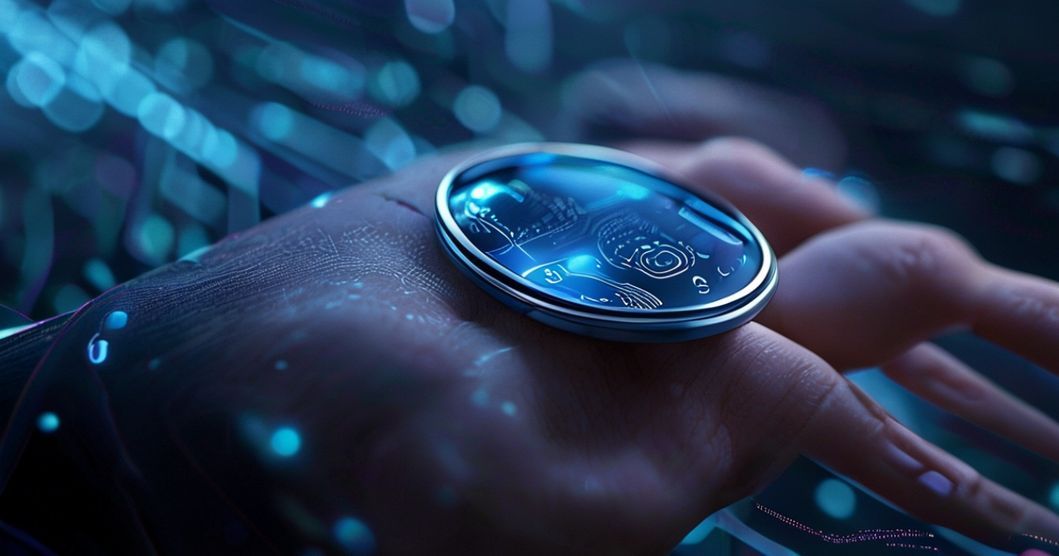
In a world increasingly dominated by screens and notifications, the allure of technology that fades into the background is growing. Wearable technology has come a long way from bulky fitness trackers and clunky smartwatches. Today, a new contender is quietly making its mark, offering sophisticated functionality wrapped in a minimalist design: the smart ring. These discreet devices represent a fascinating evolution in personal tech, promising to deliver invaluable insights and seamless control without demanding constant attention.
Smart rings are redefining what it means to carry technology on your person. They embody a subtle elegance, blending effortlessly with personal style while housing an impressive array of sensors and microprocessors. For many, they offer a refreshing alternative to the omnipresent smartwatch, providing essential data and interaction capabilities right at your fingertips, literally.
The Appeal of the Unseen
Why opt for a ring when smartwatches offer so much? The answer lies in subtlety and comfort. Smart rings are designed to be worn continuously, often feeling no different from a traditional piece of jewelry. This allows for uninterrupted data collection, particularly crucial for comprehensive sleep tracking and continuous heart rate monitoring. Their unobtrusive nature means less screen glare, fewer visual distractions, and a more natural integration into daily life.
Beyond aesthetics, the discreet form factor addresses a fundamental desire for technology that serves us without overwhelming us. Users appreciate the ability to monitor their health and interact with their digital world without the constant pull of a screen or the bulk of a wrist-worn device. This “glanceable” or “touchable” interaction model heralds a new era of tech minimalism.
Beyond Basic Tracking: Core Innovations
Advanced Health Monitoring
At the heart of many smart rings is an impressive suite of health tracking capabilities. These tiny powerhouses can monitor a range of vital signs with remarkable accuracy. They delve deeper than just step counts, offering detailed insights into your well-being. For instance, many can track your sleep stages (REM, light, deep) with greater precision due to their consistent contact with the finger, which provides a more stable measurement point than the wrist. They also measure heart rate variability (HRV), a key indicator of stress and recovery, and monitor body temperature trends, which can be invaluable for early illness detection or even tracking menstrual cycles.
The continuous flow of biometric data allows smart rings to provide a holistic view of your health, often identifying patterns and trends that might otherwise go unnoticed. This proactive approach to health management empowers users with actionable information, helping them optimize their recovery, manage stress, and even potentially detect early signs of illness.
Seamless Connectivity & Control
While health is a primary focus, smart rings are rapidly expanding their utility into other areas of daily life. Many now integrate NFC (Near Field Communication) technology, transforming your finger into a contactless payment device. Imagine leaving your wallet and phone behind, paying for groceries or public transport with a simple tap of your ring. This level of convenience is a game-changer for quick errands and seamless transactions.
Emerging functionalities also include gesture control for smart home devices, allowing users to control music, lights, or even trigger routines with subtle hand movements. The potential for these rings to serve as digital IDs for access control or keyless entry to vehicles and smart locks is also on the horizon, promising a future where your finger becomes your universal key.
AI-Powered Personalization
The true intelligence of these rings lies not just in data collection, but in data interpretation. Modern smart rings leverage machine learning and artificial intelligence to transform raw biometric data into personalized, actionable insights. Instead of simply presenting numbers, they offer tailored recommendations for improving sleep, optimizing workout recovery, or managing stress levels based on your unique physiological responses.
This AI-driven personalization moves beyond generic advice, creating a truly bespoke experience. The ring learns your body’s rhythms and needs over time, providing guidance that is relevant and impactful, helping you make informed decisions about your health and lifestyle.
Who Benefits Most?
- Health-Conscious Individuals: Athletes seeking to optimize training and recovery, or those managing chronic conditions who benefit from continuous monitoring.
- Tech Minimalists: Users who desire functionality and data without the constant visual and mental overhead of a smartwatch screen.
- Fashion-Forward Users: Individuals who value elegance and discretion, and prefer a wearable that complements their style rather than dominating it.
- Privacy Advocates: Those who appreciate the discreet nature of data collection, often preferring to keep their health data private and accessible only when they choose.
Navigating the Challenges Ahead
Despite their rapid advancements, smart rings face several hurdles. Accuracy and validation remain critical, especially as rings venture into more medical-grade applications. Battery life is another constant challenge; miniaturization must contend with the power demands of advanced sensors and processing. Ecosystem integration – how well these rings communicate with other smart devices and platforms – is vital for widespread adoption.
Furthermore, data privacy and security are paramount, given the highly sensitive nature of health data collected. Finally, overcoming the market dominance of smartwatches and convincing consumers of their unique value proposition will be key to their long-term success.
The Future is Finger-Worn
The trajectory of smart rings is exciting. We can anticipate even more advanced sensors capable of measuring blood pressure, glucose levels, and other complex biomarkers. Their role in augmented reality (AR) and virtual reality (VR) interactions could expand, offering subtle, intuitive control mechanisms. As the technology matures, smart rings could evolve into central hubs for personal digital identity, acting as universal authenticators for everything from online banking to physical access.
A New Era of Wearable Intelligence
Smart rings are more than just a passing fad; they represent a significant step forward in wearable technology. By prioritizing discretion, comfort, and intelligent insights, they offer a powerful yet unobtrusive way to connect with our digital selves and monitor our physical well-being. As these tiny devices continue to evolve, they promise to seamlessly integrate into our lives, providing a quiet revolution in how we interact with technology and understand ourselves.