
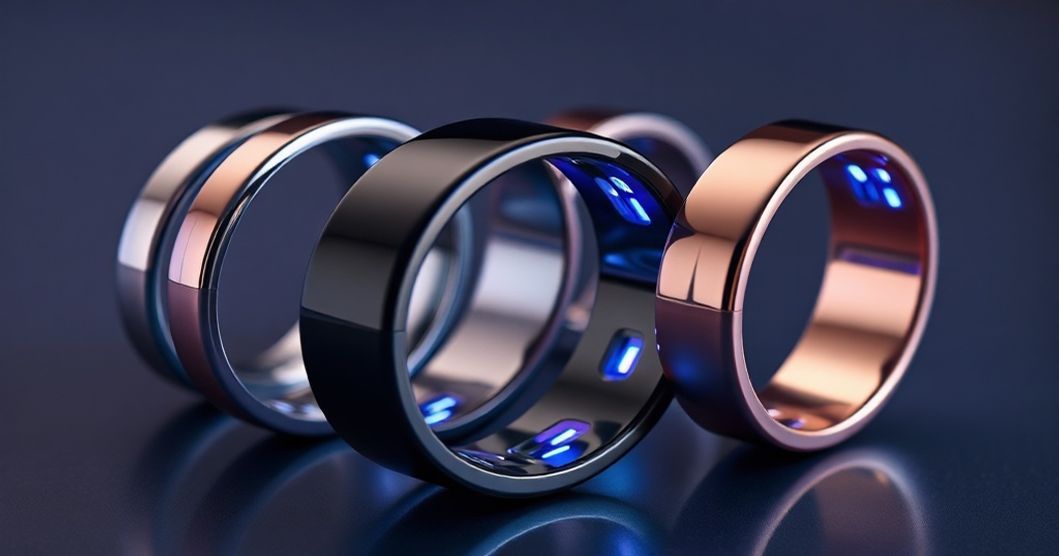
For years, our wrists have been the primary canvas for wearable technology, from bulky fitness trackers to sophisticated smartwatches. Yet, a quiet revolution has been brewing, shifting the focus to a more discreet, often overlooked digit: the finger. Smart rings are rapidly emerging as a compelling alternative, promising advanced health monitoring and seamless integration into our digital lives without the bulk or distraction. These tiny titans of tech are poised to redefine how we interact with our personal data and the world around us.
This innovative category is capturing attention for its blend of subtlety, style, and substantial utility. As major players like Samsung enter the fray, smart rings are no longer just a niche gadget but a formidable contender in the broader wearable technology market. They offer a unique proposition for those seeking continuous health insights and connectivity, all wrapped in an elegant, unobtrusive design.
What Exactly is a Smart Ring?
At its core, a smart ring is a miniaturized computer worn on your finger. Packed with sensors, Bluetooth connectivity, and often a small battery, these rings are designed to discreetly collect data about your body and environment. Unlike smartwatches that offer a screen and interactive interface, smart rings typically operate in the background, syncing data to a companion app on your smartphone for analysis and insights. Their primary appeal lies in their ability to provide continuous, passive monitoring without demanding constant attention.
Think of them as a 24/7 health and activity tracker, payment device, or even a subtle controller, all integrated into a piece of jewelry. This seamless integration makes them a powerful tool for those who prefer minimal digital interaction throughout their day, yet still desire comprehensive data about their well-being.
Key Innovations Driving Smart Ring Popularity
The rise of smart rings is fueled by several technological advancements and a growing demand for more integrated, less intrusive gadgets. Here are some of the innovations making them stand out:
Advanced Health Monitoring
Modern smart rings are equipped with sophisticated sensors capable of tracking a wide array of vital health metrics. This includes continuous heart rate monitoring, blood oxygen levels (SpO2), skin temperature, and sleep patterns (REM, deep, light sleep stages). Many also provide detailed activity tracking, calorie burn estimates, and even stress levels through heart rate variability (HRV) analysis. The data collected offers a holistic view of your health, often presented with actionable insights to improve well-being and recovery.
Unparalleled Comfort and Discretion
One of the most significant advantages of smart rings is their form factor. They are lightweight, ergonomic, and designed to be worn continuously, even during sleep, without discomfort. Their discreet nature means they seamlessly blend into your daily attire, making them suitable for environments where a smartwatch might be too prominent or even inappropriate. This subtle design is a huge draw for users who prioritize aesthetics and an uninterrupted physical experience.
Extended Battery Life
Due to the absence of a large, power-hungry display, smart rings typically boast impressive battery life compared to smartwatches. Many models can last for several days, sometimes up to a week, on a single charge. This significantly reduces the hassle of frequent recharging, making them more convenient for continuous monitoring and travel. This extended longevity contributes greatly to their “set it and forget it” appeal.
Payment and Connectivity
Some smart rings are integrating NFC (Near Field Communication) technology, enabling contactless payments with a simple tap of your finger. This adds a layer of convenience, allowing users to leave their wallet or phone behind for quick transactions. While not universally adopted across all models yet, this feature highlights the potential for smart rings to become central to our daily digital interactions.
The Samsung Galaxy Ring: A New Era?
The recent announcement of the Samsung Galaxy Ring has sent ripples through the wearable tech industry. As a major consumer electronics giant, Samsung’s entry legitimizes the smart ring category and signals its potential for mainstream adoption. While specific details are still emerging, expectations are high for a device that integrates seamlessly with Samsung’s extensive ecosystem, including their Galaxy smartphones and health platforms.
The Galaxy Ring is anticipated to feature comprehensive health tracking capabilities, potentially leveraging Samsung Health’s robust data analysis. Its design is expected to be sleek and stylish, catering to a broad audience. Samsung’s market presence and manufacturing capabilities could significantly drive down costs and accelerate innovation within the smart ring space, making advanced finger-worn tech accessible to millions.
Current Contenders: Oura and Ultrahuman
Before Samsung’s arrival, brands like Oura and Ultrahuman have been at the forefront of the smart ring movement. The Oura Ring, for instance, has gained widespread recognition for its accuracy in sleep tracking and recovery insights, often favored by athletes and health enthusiasts. Similarly, Ultrahuman has made strides with its Ring AIR, focusing on metabolic health and performance tracking.
These established players have built loyal communities by offering detailed, personalized data and fostering a proactive approach to health. Their innovation has paved the way for larger tech companies, demonstrating the viability and demand for advanced finger-worn wearables.
Why Choose a Smart Ring Over a Smartwatch?
The decision between a smart ring and a smartwatch often boils down to individual preferences and priorities:
- Discretion vs. Interaction: Smart rings are for passive monitoring and subtle integration. Smartwatches offer active interaction, notifications, and more apps.
- Comfort for Sleep: Rings are far more comfortable to wear 24/7, especially during sleep, leading to more accurate sleep data.
- Aesthetics: Rings blend seamlessly as jewelry, whereas smartwatches are often distinct tech gadgets.
- Battery Life: Rings generally offer superior battery longevity.
- Focus: Rings excel at core health metrics without the distractions of a screen.
Challenges and the Road Ahead
Despite their promise, smart rings face challenges. Accuracy of sensor data, especially for medical-grade insights, remains a continuous area of development. Integration with various smartphone ecosystems needs to be seamless, and privacy concerns regarding personal health data must be addressed transparently. Furthermore, expanding functionality, perhaps through gesture controls for smart home devices or enhanced security features, will be key to long-term adoption.
The future of smart rings looks incredibly bright. As technology continues to miniaturize and sensor capabilities improve, these tiny devices could become indispensable personal health guardians and digital keys to our connected world. They represent a significant leap towards more integrated, less intrusive technology that empowers us with insights without overwhelming our senses.