
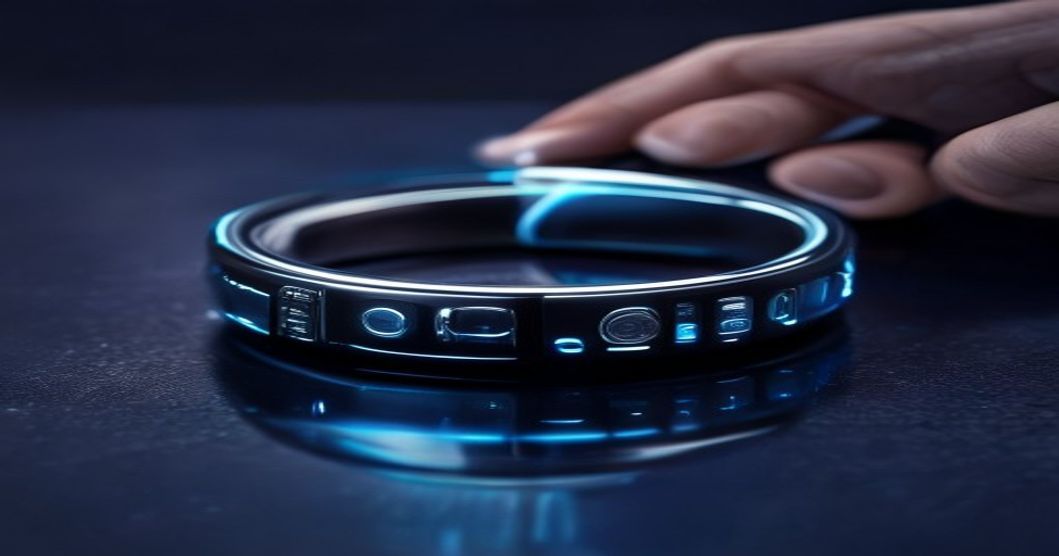
In a world increasingly dominated by smart devices, a new contender is quietly making its mark, literally and figuratively: the smart ring. Moving beyond bulky smartwatches and clip-on fitness trackers, these sleek, minimalist rings are redefining how we interact with technology and monitor our well-being. Imagine a tiny, fashionable accessory on your finger that seamlessly tracks your health, facilitates payments, and even controls your smart home – all without a screen or a single button. This burgeoning category of wearable technology is not just a novelty; it’s a significant leap towards more integrated, less intrusive digital living.
What Are Smart Rings?
At its core, a smart ring is a miniaturized computer worn on your finger, packed with sensors and connectivity features. Unlike a smartwatch that provides visual notifications and a wide array of apps, smart rings prioritize discretion and passive data collection. They’re designed to blend seamlessly into your daily life, offering functionality without demanding constant attention. These tiny powerhouses typically connect to a smartphone app via Bluetooth, where users can view their collected data, customize settings, and manage features.
The innovation lies in their ability to condense complex technology into such a small form factor, making them comfortable enough for 24/7 wear. This constant wear is crucial for collecting comprehensive, continuous data, particularly in the realm of health and wellness.
Key Features and Innovations
The capabilities of smart rings are rapidly expanding, but several core features stand out as particularly transformative:
Health Monitoring
- Sleep Tracking: Smart rings are exceptionally good at monitoring sleep patterns, including sleep stages (REM, deep, light), duration, and interruptions, often leveraging their snug fit for more accurate data than wrist-worn devices.
- Heart Rate Variability (HRV): Measuring HRV provides insights into stress levels and recovery, offering a deeper understanding of your body’s readiness for activity or need for rest.
- Body Temperature: Continuous temperature monitoring can detect early signs of illness, track menstrual cycles, and provide overall health trend data.
- Activity Tracking: While not replacing dedicated sports watches for intense workouts, smart rings effectively track steps, calories burned, and overall activity levels throughout the day.
- Blood Oxygen (SpO2): Some advanced rings are now incorporating SpO2 sensors to monitor blood oxygen levels, offering another vital health metric.
Contactless Payments & Access
Equipped with NFC (Near Field Communication) technology, many smart rings allow for quick, secure contactless payments. A simple tap of your hand at a payment terminal can replace wallets and smartphones. Beyond payments, NFC can also be used for digital keys, granting access to smart locks, cars, or even public transport, streamlining everyday interactions.
Gesture Control & Smart Home Integration
While still an emerging feature, some smart rings are experimenting with gesture control. Imagine controlling music playback, answering calls, or even interacting with your smart home devices with a simple flick or twist of your finger. This opens up exciting possibilities for hands-free interaction with the Internet of Things (IoT).
Discreet Notifications
Rather than visual alerts, smart rings typically use subtle vibrations to notify you of incoming calls, messages, or calendar reminders. This ensures you stay connected without the constant distraction of a screen, maintaining a sense of presence in your environment.
Leading the Charge: Notable Players
While the market is still maturing, several companies are pioneering the smart ring space. The Oura Ring is perhaps the most well-known, lauded for its advanced sleep and recovery tracking features, becoming a favorite among athletes and wellness enthusiasts. Samsung has also signaled its intent to enter the market with its upcoming Galaxy Ring, indicating growing interest from major tech players. Other companies like Movano and Circular are also contributing to the innovation, focusing on different niches and feature sets.
The Advantages of a Smart Ring
What makes a smart ring a compelling alternative or complement to other wearables?
- Discreetness and Comfort: Their small size and lightweight design mean they’re far less obtrusive than smartwatches, fitting seamlessly into any outfit or occasion. Many users find them more comfortable for sleeping.
- Always-On Data: Worn constantly, smart rings provide a continuous stream of data, leading to more accurate and holistic insights into your health and activity patterns.
- Minimalist Design: For those who prefer traditional watches or no wristwear at all, smart rings offer a way to access advanced wearable tech without compromising personal style.
- Long Battery Life: Due to their lack of a screen, smart rings often boast multi-day battery life, sometimes lasting a week or more on a single charge, significantly outperforming many smartwatches.
Challenges and Future Outlook
Despite their promise, smart rings face challenges. Accuracy, particularly for certain biometric measurements, can vary between devices and compared to medical-grade equipment. Market adoption also depends on increasing consumer awareness and demonstrating clear value propositions beyond what existing wearables offer. Cost can also be a barrier for some early models.
However, the future looks bright. We can anticipate even greater miniaturization, enhanced sensor technology for more precise biometrics, and tighter integration with other smart devices and AI platforms. Imagine a smart ring that can predict illness days in advance or serve as your universal digital key and identity authenticator. As the digital health landscape evolves, smart rings are poised to play a pivotal role, offering an elegant, personal, and powerful connection to our digital selves.
Who is a Smart Ring For?
Smart rings appeal to a diverse audience. They are ideal for individuals focused on holistic health and wellness, providing deep insights into sleep, recovery, and stress. Fitness enthusiasts seeking discreet activity tracking or a companion to their primary sports watch will find them valuable. Those who appreciate minimalist design and desire seamless, screen-free interaction with technology will also be drawn to their understated elegance. Ultimately, smart rings are for anyone ready to embrace a more integrated and less intrusive future of personal technology.