
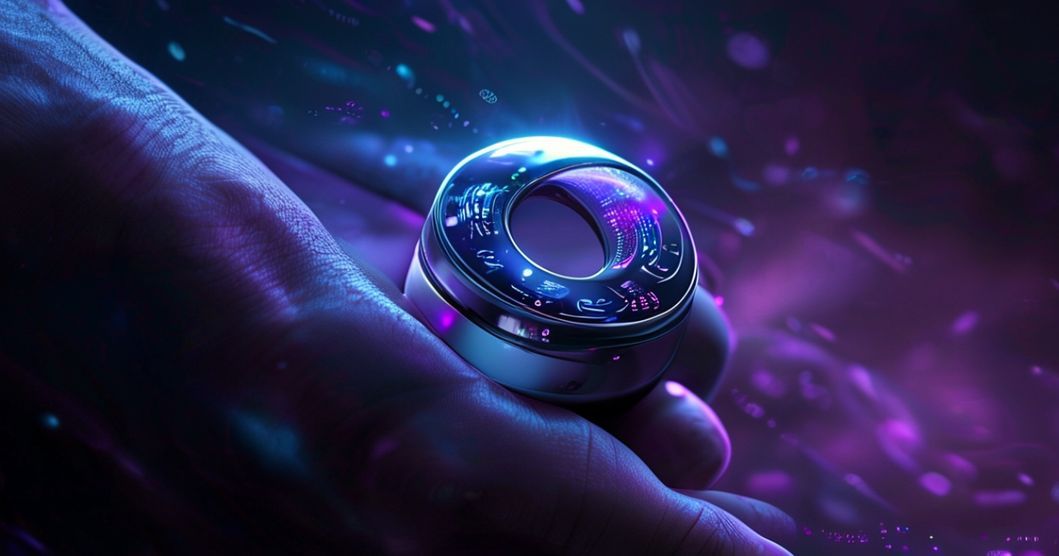
In the rapidly evolving landscape of wearable technology, smartwatches have long dominated the scene. Yet, a new contender is quietly gaining momentum, promising an even more integrated and discreet experience: the smart ring. These elegant, unassuming pieces of jewelry are redefining how we interact with our digital lives and monitor our well-being, packing sophisticated sensors and connectivity into a form factor that’s as fashionable as it is functional.
Far from being a mere accessory, smart rings represent a significant leap in miniaturization and user-centric design. They offer a compelling alternative for those who find smartwatches too bulky, distracting, or simply not their style. By placing powerful technology directly on your finger, smart rings blend seamlessly into daily life, often going unnoticed while constantly working to provide valuable insights and conveniences.
What Exactly is a Smart Ring?
At its core, a smart ring is a miniature computer designed to be worn on a finger. Unlike traditional rings, these devices are equipped with a suite of sensors, Bluetooth connectivity, and often a small, rechargeable battery. They communicate wirelessly with your smartphone or other connected devices, relaying data and receiving commands. The magic lies in their ability to offer a wealth of features without the need for a screen or constant interaction.
The form factor of a ring offers unique advantages, particularly for health tracking. The finger provides excellent contact for sensors, allowing for more accurate readings of vital signs compared to the wrist. This discreet design means you can wear it all day and night without interruption, making continuous data collection effortless and unobtrusive.
Core Capabilities: Beyond Just Time-Telling
The functionality of smart rings is surprisingly diverse, encompassing everything from detailed health monitoring to effortless digital interactions. They are designed to augment your lifestyle, providing data and convenience where you need it most.
Health and Wellness Monitoring
One of the most prominent applications of smart rings is comprehensive health and wellness tracking. Companies like Oura have pioneered this space, demonstrating the immense potential. These rings can track an impressive array of metrics, providing a holistic view of your physical state:
- Sleep Analysis: Advanced sensors monitor sleep stages (REM, deep, light), duration, and interruptions, offering a deeper understanding of your rest quality. This data helps users identify patterns and make adjustments for better sleep hygiene.
- Heart Rate Tracking: Continuous heart rate monitoring, including resting heart rate and heart rate variability (HRV), which is a key indicator of stress and recovery.
- Activity and Calorie Tracking: While not as robust as a dedicated fitness tracker for intense workouts, smart rings can accurately count steps, track movement, and estimate calorie burn throughout your day.
- Body Temperature Sensing: Some rings include precise temperature sensors, which can be invaluable for early detection of illness, tracking menstrual cycles, or monitoring recovery from exercise.
- Blood Oxygen (SpO2): Emerging models are integrating SpO2 sensors to measure blood oxygen levels, offering insights into respiratory health and sleep apnea potential.
The continuous and accurate data collection from the finger allows for personalized insights and proactive health management, often presented through user-friendly companion apps on your smartphone.
Seamless Digital Interactions
Beyond health, smart rings are also evolving to become powerful tools for everyday digital interactions, simplifying tasks and enhancing security:
- Contactless Payments: Imagine paying for your coffee with a simple tap of your finger. Many smart rings now incorporate NFC technology, enabling secure contactless payments without needing your phone or wallet.
- Access Control: Some rings can act as digital keys for smart locks, car doors, or even office buildings, streamlining entry and enhancing security.
- Smart Home Control: Future iterations are expected to offer gesture-based controls for smart home devices, allowing you to turn off lights or adjust thermostats with a subtle flick of your wrist.
- Notifications: While most don’t have screens, some rings provide subtle haptic feedback for incoming calls, messages, or calendar alerts, keeping you informed without interrupting your focus.
Why Opt for a Smart Ring? The Unique Advantages
With smartwatches already popular, what makes smart rings a compelling alternative or complement?
Discretion and Comfort
Perhaps the most significant advantage is their unobtrusive nature. Smart rings are designed to be worn continuously, fitting seamlessly into any outfit or occasion. They don’t draw attention and don’t interfere with professional settings or formal wear. Their lightweight design means you often forget you’re even wearing them.
Battery Life and Durability
Due to their lack of a display and optimized power consumption, smart rings generally boast impressive battery life, often lasting several days on a single charge. This significantly reduces charging anxiety compared to many smartwatches. Furthermore, they are typically constructed from robust, water-resistant materials like titanium or ceramic, making them highly durable for daily wear.
Accuracy
The finger offers a superior anatomical location for certain biometric measurements. The close proximity to arteries and consistent skin contact can lead to more accurate heart rate, temperature, and blood oxygen readings compared to wrist-worn devices, especially during sleep or light activity.
Challenges and the Road Ahead
While the potential of smart rings is undeniable, they also face challenges. The absence of a screen limits immediate information display, requiring users to refer to their phones for detailed data. Pricing can also be a barrier, as premium models often command prices comparable to, or even exceeding, entry-level smartwatches. Furthermore, integrating a wide range of features into such a small form factor without compromising battery life or accuracy remains a complex engineering feat.
However, these challenges are being actively addressed by innovators. Miniaturization continues to advance, allowing for more powerful chips and sensors in smaller packages. Software integration is becoming more sophisticated, enabling richer data analysis and more intuitive user experiences.
The Future of Finger-Worn Innovation
The trajectory for smart rings is undeniably exciting. We can anticipate even greater integration with augmented reality applications, offering discreet notifications and interactive experiences. Advances in haptic feedback could lead to more nuanced alerts and even subtle gesture controls. Imagine unlocking your computer or controlling your media player with a simple, unique hand movement. As battery technology improves and more advanced sensors become available, smart rings are poised to become indispensable tools for health, security, and connectivity.
The convergence of fashion, health, and cutting-edge technology positions smart rings as a fascinating frontier in wearable innovation. They represent a shift towards more subtle, always-on technology that enhances our lives without overwhelming them. As they become more refined and feature-rich, these discreet powerhouses are set to carve out a significant niche in the world of personal tech, offering a seamless blend of style and substance.