
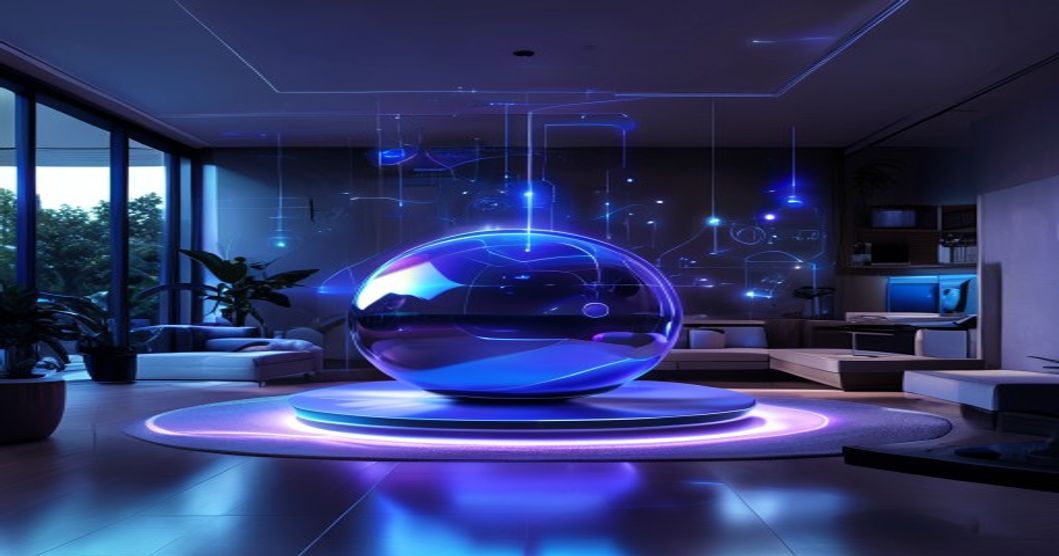
The smart home concept has dramatically evolved from simple voice commands. What was once futuristic is now integral to modern living, thanks to revolutionary AI smart home hub technology. We’re moving beyond reactive systems to a new era of proactive home automation, where your home anticipates and acts intelligently on its own.
This shift represents a significant leap in how we interact with our living spaces. No longer just connected devices, today’s smart homes are orchestrated by sophisticated AI hubs that learn, adapt, and personalize your environment, promising unparalleled convenience and efficiency.
Beyond Basic Automation: The Proactive Leap
For years, smart home systems operated on a “trigger-and-response” model, requiring constant input and lacking true intelligence. The latest generation of smart home technology is fundamentally different.
Modern AI smart home hubs leverage advanced machine learning to observe patterns, analyze sensor data, and predict user preferences. This enables autonomous, intelligent actions, transforming your home into a responsive and intuitive environment. Imagine lights adjusting to your routine, or a room pre-cooled before you arrive – all without you ever asking.
Key Innovations Powering the Shift
The intelligence behind these proactive systems stems from several groundbreaking innovations:
Advanced Machine Learning for Personalization
At the core of new hubs is sophisticated machine learning. Systems learn your habits over time: wake-up times, preferred temperatures, and even media patterns. This creates a truly personalized home experience, adapting seamlessly to your lifestyle without constant input.
For instance, an AI hub might notice you consistently dim lights and play calming music at 9 PM. It will then initiate this routine automatically, subtly preparing your home for rest. This predictive capability significantly enhances comfort and reduces manual intervention.
Enhanced Security and Privacy Measures
Greater intelligence demands robust security and privacy. Latest AI hubs feature advanced encryption, secure boot processes, and local processing (edge computing) to protect your data, reducing latency and potential vulnerability.
Intelligent anomaly detection flags unusual activity – like an unfamiliar person at your door or an open window when you’re away – alerting you instantly. Companies are also improving transparent control over user data, ensuring personalization doesn’t compromise privacy.
Seamless Integration and Interoperability
Smart home device fragmentation has long been a challenge. However, new standards like Matter foster greater interoperability, allowing devices from different manufacturers to communicate effortlessly via a central AI hub. Your smart thermostat, lighting, security cameras, and entertainment systems can all work in harmony, creating a unified connected living experience.
This unified approach simplifies setup, streamlines management, and unlocks new possibilities for complex, automated routines across multiple device types, making your smart home feel like one cohesive entity.
Energy Efficiency and Sustainability
Beyond convenience, proactive AI hubs are crucial for sustainability. By intelligently managing heating, cooling, and lighting based on occupancy, weather forecasts, and peak energy times, these systems significantly reduce consumption. They optimize resource usage, turning off lights in empty rooms or adjusting thermostats when no one is home.
Some hubs even integrate with smart grids, helping homeowners participate in demand response programs. This focus on energy-efficient smart homes not only helps the planet but also offers tangible savings on utility bills.
Predictive Maintenance and Wellness Monitoring
The intelligence of these hubs extends to home maintenance and personal well-being. AI can monitor appliance performance, alerting you to potential issues before they become major problems, enabling predictive maintenance. Imagine your smart washer notifying you its filter needs cleaning before a breakdown occurs.
Furthermore, many hubs incorporate wellness features, monitoring air quality, sleep patterns, and even detecting falls via integrated sensors. They can adjust environmental factors like lighting color temperature to support circadian rhythms or play calming sounds, subtly enhancing the overall health and comfort of occupants.
Transforming Daily Life
The combined effect of these innovations profoundly transforms daily experience. Instead of managing a collection of smart devices, you now inhabit a responsive ecosystem that anticipates your needs, saves time, enhances comfort, and contributes to a sustainable lifestyle. From waking up to perfectly brewed coffee and ideal lighting, to returning home to a pre-warmed living room, the proactive AI hub simplifies and enriches every moment.
This isn’t just about automation; it’s about creating an intuitive, supportive living environment that adapts to you, embodying the ultimate home AI assistant technology.
Challenges and the Road Ahead
While the future of proactive AI hubs is bright, challenges remain. Ensuring universal interoperability, addressing user concerns about data privacy, and developing robust security against evolving threats are ongoing priorities. Simplifying the setup and management of these advanced systems is also crucial for broader adoption.
Looking forward, expect even more sophisticated AI, greater integration with urban infrastructures (smart cities), and more intuitive human-computer interfaces. The ultimate vision: a home that is not just smart, but truly intelligent – an active partner in your well-being and daily life.