
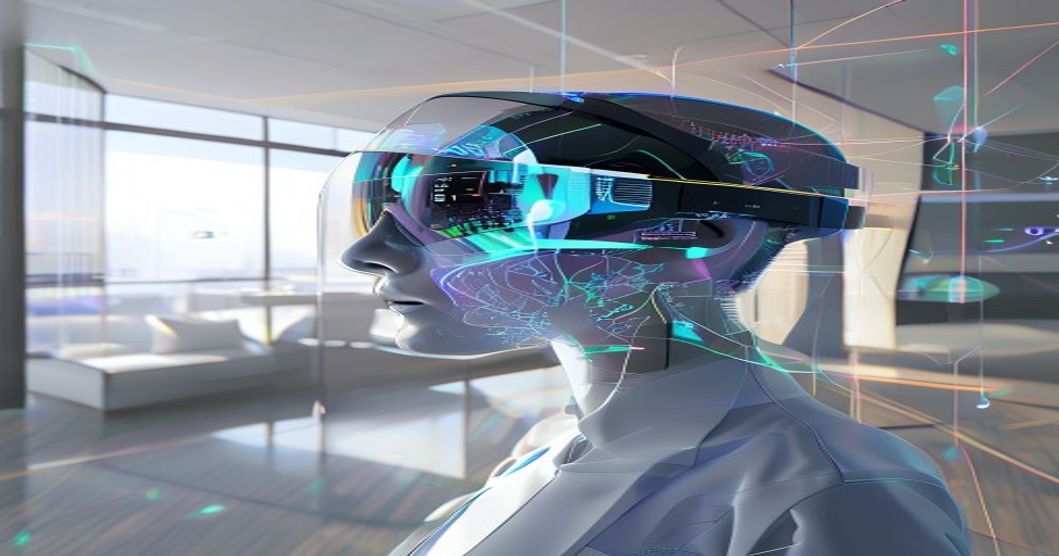
The world of immersive technology is constantly evolving, pushing the boundaries of what we perceive as reality. In this exciting landscape, Meta has once again stepped forward with its latest offering, the Meta Quest 3. More than just an incremental upgrade, this device represents a significant leap, promising to redefine how we interact with digital content by seamlessly blending it with our physical surroundings. It’s a powerful statement of intent, moving beyond traditional virtual reality (VR) into the captivating realm of mixed reality (MR).
Embracing the Era of Mixed Reality
The most compelling innovation in the Meta Quest 3 is its advanced mixed reality capability. Unlike its predecessors, which primarily offered passthrough for basic room awareness, the Quest 3 features high-resolution, full-color passthrough cameras. This means you can see your real-world environment in vibrant detail, even while wearing the headset. But it’s more than just seeing; it’s about interacting.
Imagine playing a virtual game where digital characters run across your actual living room floor, or placing a virtual monitor on your physical desk. The Quest 3 achieves this remarkable feat through its enhanced spatial understanding, depth sensing, and precise room mapping. This opens up entirely new possibilities for gaming, entertainment, and productivity, creating experiences that feel truly magical and deeply integrated with your personal space. It transforms your home into an infinite canvas for digital interaction, making the metaverse feel less like a distant concept and more like an immediate reality.
Power and Visual Fidelity Redefined
Next-Generation Performance
Underpinning these groundbreaking MR experiences is a substantial boost in processing power. The Meta Quest 3 is the first standalone VR headset to feature the brand-new Snapdragon XR2 Gen 2 Platform. This custom-built chipset delivers more than double the GPU processing power compared to the Quest 2, enabling incredibly crisp visuals, faster load times, and smoother, more complex applications. This raw power is crucial for rendering the detailed mixed-reality environments and high-fidelity VR games that the Quest 3 is designed for.
Stunning Visuals
Visual fidelity is paramount for immersion, and the Quest 3 doesn’t disappoint. It boasts Meta’s highest-resolution display to date, offering a nearly 30% increase in resolution compared to the Quest 2. Combined with new pancake lenses, this delivers sharper, clearer images across a wider field of view, significantly reducing the “screen door effect.” The optical stack also allows for a much slimmer headset profile, making it more comfortable to wear for extended periods. With a 90Hz refresh rate (and experimental 120Hz support), motion appears fluid and natural, further enhancing the sense of presence.
Ergonomics and Intuitive Interaction
Redesigned Controllers
Interaction with the digital world is made even more intuitive with the redesigned Meta Quest Touch Plus controllers. These controllers ditch the cumbersome tracking rings found on previous models, offering a more streamlined and ergonomic design. This change not only improves comfort but also allows for a more natural feel, making hand movements less obstructed. Crucially, they incorporate TruTouch haptics, providing more nuanced and realistic tactile feedback that enhances immersion, from the gentle vibrations of drawing a bowstring to the impact of a virtual punch.
Enhanced Comfort
Meta has also focused on improving the overall comfort of the headset itself. The Quest 3 is 40% slimmer than the Quest 2, thanks to the new pancake lenses. Its improved weight distribution and adjustable head strap ensure a more comfortable fit for a wider range of users, reducing pressure on the face. This focus on ergonomics is vital for enabling longer, more enjoyable immersive sessions, whether you’re gaming, working, or exploring.
Beyond Gaming: A Multitude of Applications
While gaming remains a core pillar, the Meta Quest 3’s capabilities extend far beyond. Its advanced mixed reality features unlock a new spectrum of uses:
- Immersive Gaming: Experience classic VR titles with enhanced graphics and new MR games that cleverly integrate your physical space into the gameplay.
- Productivity & Collaboration: Imagine setting up multiple virtual monitors around your room for a truly expansive workspace, or collaborating with colleagues in virtual meeting rooms that blend seamlessly with your office environment. Apps like Horizon Workrooms become even more compelling.
- Entertainment & Social: Watch movies on a giant virtual screen in your living room, attend virtual concerts, or connect with friends in social VR environments, all with a greater sense of presence and interaction.
- Fitness & Training: Engage in dynamic fitness routines where virtual trainers appear in your room, or practice new skills with interactive digital overlays on real objects.
The Future of Spatial Computing
The Meta Quest 3 is more than just a new gadget; it’s a significant step towards the future of spatial computing. By making mixed reality accessible and genuinely compelling, it provides a tangible glimpse into a world where digital information and experiences are deeply woven into our physical environments. It represents Meta’s vision of the metaverse as not just a virtual world you enter, but an augmented reality that enhances the world you already inhabit. For consumers, this means more engaging entertainment, more flexible productivity tools, and entirely new ways to connect and interact with technology in their daily lives. The journey into truly pervasive immersive computing has just begun, and the Quest 3 is leading the charge.