
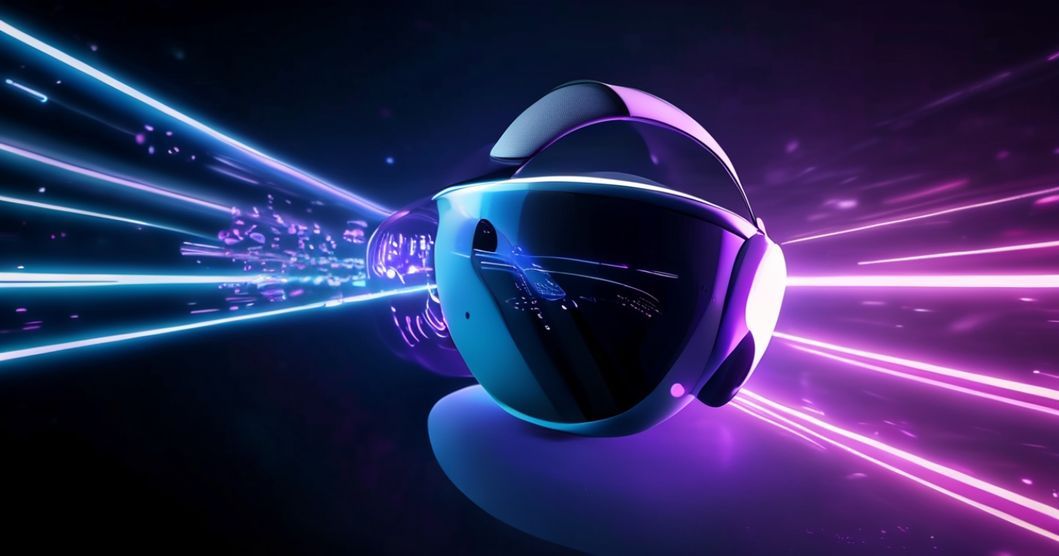
In a world constantly evolving with technological marvels, few devices generate the kind of buzz and anticipation as Apple’s recent unveiling: the Apple Vision Pro. Heralded as a “spatial computer,” this groundbreaking mixed-reality headset promises to transcend traditional screens, merging digital content with your physical space in a way never before experienced. Far from a mere gadget, the Vision Pro represents a significant leap into what Apple envisions as the next era of personal computing.
The device isn’t just about virtual reality (VR) or augmented reality (AR); it’s about seamlessly blending both to create an immersive, intuitive, and deeply personal digital canvas. As we explore the intricacies of this innovative product, it becomes clear that Apple isn’t just launching a new product category; they are attempting to redefine how we interact with technology, our work, and our entertainment.
What is Spatial Computing?
At the heart of the Apple Vision Pro lies the concept of spatial computing. Unlike traditional computing, which typically confines information to a flat screen, spatial computing allows digital content to exist and interact within your physical environment. Imagine watching a movie on a screen that feels 100 feet wide, positioned perfectly in your living room, or having multiple virtual monitors floating around your desk, accessible with just a glance and a gesture.
This isn’t about replacing the real world but augmenting it. The Vision Pro uses advanced sensors and cameras to understand your surroundings, allowing apps and digital objects to appear as if they are physically present, respond to light, and even cast shadows. It creates a personalized, dynamic interface that adapts to your space, offering unparalleled flexibility and immersion.
Unpacking the Vision Pro’s Core Technologies
The Vision Pro is a marvel of engineering, integrating several cutting-edge technologies to deliver its ambitious vision.
VisionOS: The Operating System for a New Dimension
Powering this new experience is VisionOS, a custom-built operating system designed specifically for spatial computing. Building on the foundation of iOS, iPadOS, and macOS, VisionOS enables a fluid, natural interaction. It allows users to navigate apps by simply looking at them, tapping their fingers to select, or using their voice. This intuitive control scheme promises a learning curve that feels natural and immediate, making complex interactions surprisingly simple.
Unrivaled Displays and Optical Passthrough
The visual experience is paramount, and Apple has pushed boundaries here. The Vision Pro features two micro-OLED displays, each packing more pixels than a 4K TV for each eye. This delivers stunning clarity, vibrant colors, and incredibly sharp text. Crucially, the device incorporates an advanced optical passthrough system, using external cameras to feed a real-time, high-definition view of your surroundings to the displays. This allows you to stay connected to your physical environment while interacting with digital content, eliminating the isolation often associated with VR headsets.
Intuitive Interaction: Eyes, Hands, and Voice
Interaction with the Vision Pro feels almost magical. Eye tracking precisely follows your gaze, allowing you to select items simply by looking at them. Hand tracking enables gesture control, letting you tap your fingers to click, pinch to scroll, or even resize windows by moving your hands. For more complex inputs, voice commands integrate seamlessly. This trifecta of input methods creates a truly hands-free, intuitive interface that promises to redefine human-computer interaction.
Powering the Experience: M2 and R1 Chips
Underneath its sleek exterior, the Vision Pro houses two powerful Apple silicon chips: the M2 chip and the brand-new R1 chip. The M2 handles the core computing tasks, running VisionOS and demanding applications. The R1 chip is dedicated to processing input from the headset’s 12 cameras, five sensors, and six microphones in real-time. This specialized chip ensures that spatial experiences are rendered with virtually no lag, maintaining an incredibly smooth and responsive digital overlay on the real world.
A Glimpse into the User Experience
The potential applications of the Vision Pro span across entertainment, productivity, and communication.
Redefining Entertainment
Imagine watching movies with cinematic quality, or experiencing immersive games that blend with your physical space. The Vision Pro can transform any room into a personal theater or an interactive gaming environment. Its spatial audio technology further enhances this, creating a soundscape that feels truly three-dimensional, making you feel completely enveloped in the content.
Transforming Productivity
For professionals, the Vision Pro offers an unparalleled workspace. Users can create multiple virtual displays of any size, positioning them anywhere in their environment. This could mean having a giant spreadsheet floating next to a video conference, all while still seeing your physical keyboard and surroundings. It promises a new level of multitasking and spatial organization for tasks that were once confined to a single monitor.
Enhanced Communication
The Vision Pro introduces FaceTime Personas, lifelike digital representations of users. Using advanced machine learning, the device creates a “persona” that mimics your facial expressions and hand gestures, making video calls feel more personal and engaging. This innovation aims to bridge the gap between virtual and in-person communication.
Navigating the Challenges and the Road Ahead
While the Apple Vision Pro presents an exciting future, it also faces significant hurdles.
Price and Accessibility Concerns
With a starting price of $3,499, the Vision Pro is positioned as a premium, niche product. This high cost places it out of reach for many consumers, at least in its initial iteration. This suggests a gradual adoption curve, likely starting with developers and early tech enthusiasts.
Ergonomics and Battery Life
Comfort and practicality are crucial for any wearable device. Early reviews suggest the Vision Pro, while well-built, can feel heavy during prolonged use. The external battery pack, connected via a cable, offers around two hours of use, which might be a limiting factor for extended immersion or on-the-go use. Addressing these ergonomic and power efficiency challenges will be key to broader acceptance.
The App Ecosystem and Social Integration
The success of any new computing platform hinges on its app ecosystem. While Apple has a strong track record, building a robust library of spatial computing apps will take time. Furthermore, the social aspect of wearing a headset in public or around others remains an interesting dynamic to observe. How people integrate such a device into their daily lives and social interactions will shape its long-term future.
The Apple Vision Pro marks a bold new direction for personal technology. It’s an ambitious first step into a future where our digital lives seamlessly merge with our physical spaces. As the technology evolves and becomes more accessible, we can expect spatial computing to profoundly impact how we work, play, and connect with the world around us.