
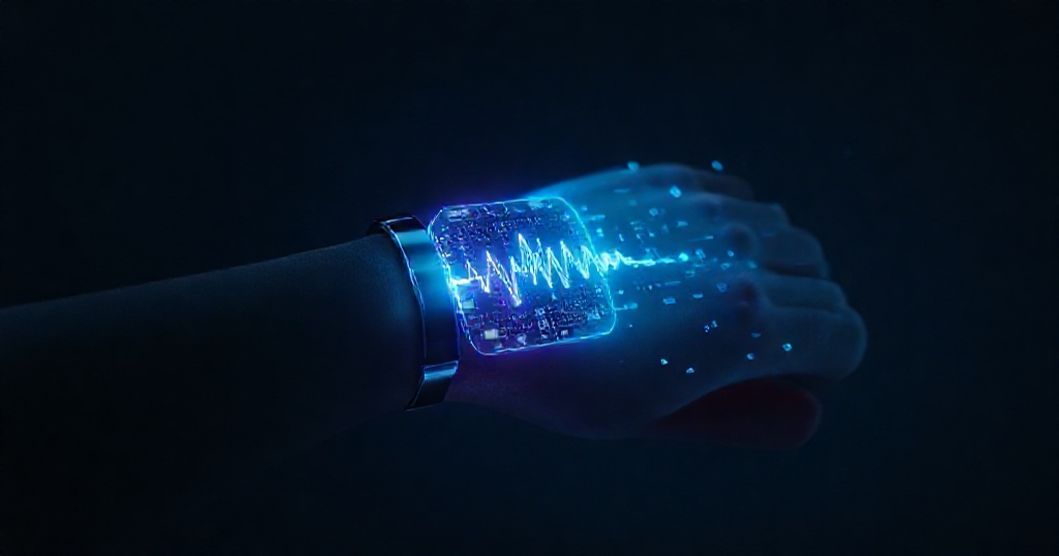
In an era where technology seamlessly weaves into the fabric of our daily lives, it’s no surprise that our most personal space – our health – is experiencing its own digital revolution. Gone are the days when fitness trackers merely counted steps. Today, the forefront of wearable technology is powered by sophisticated Artificial Intelligence (AI), transforming these devices into veritable personal health guardians. Imagine a tiny gadget that not only monitors your activity but also offers personalized insights, predicts potential health issues, and guides you toward optimal well-being. This isn’t science fiction; it’s the rapidly evolving reality of AI-powered wearables.
These innovative gadgets are redefining how we understand and manage our health, shifting the paradigm from reactive treatment to proactive prevention. By leveraging advanced sensors and intelligent algorithms, AI wearables are bringing a new level of precision and personalization to digital wellness, making complex health data accessible and actionable for everyone.
The Evolution of Health Monitoring: Beyond Basic Tracking
The journey of wearable tech began modestly, with pedometers and basic heart rate monitors. While these devices provided a foundational understanding of personal fitness, their capabilities were limited to raw data collection. The true game-changer arrived with the integration of Artificial Intelligence. AI algorithms are no longer just recording numbers; they are interpreting them, identifying intricate patterns, and contextualizing vast amounts of physiological data.
This leap forward allows modern wearables to move beyond simple tracking. They now offer deep analytical insights into our bodies’ responses to stress, exercise, sleep, and even illness. This transition from basic data display to intelligent, predictive analytics is what sets today’s AI-powered health wearables apart, making them indispensable tools for anyone serious about optimizing their health.
The Brain Behind the Brawn: AI’s Role in Advanced Features
The intelligence embedded within these devices unlocks a suite of powerful features that were once the domain of medical laboratories. AI is the engine driving the precision, personalization, and foresight that characterize the latest generation of health wearables.
Precision Biometric Tracking
Modern AI wearables boast an impressive array of sensors capable of capturing nuanced biometric data. This includes not only highly accurate heart rate and blood oxygen (SpO2) levels but also sophisticated measurements like heart rate variability (HRV), skin temperature variations, and detailed sleep stage analysis (REM, deep, light sleep). Some devices even integrate Electrocardiogram (ECG) capabilities, offering medical-grade insights into heart health. AI sifts through this torrent of raw data, filtering out noise and highlighting significant physiological shifts that human observation might miss.
Predictive Analytics and Personalized Insights
Perhaps the most compelling aspect of AI in wearables is its ability to predict. By continuously analyzing your historical data in conjunction with real-time inputs, AI algorithms can identify subtle trends and anticipate potential health issues. For instance, a wearable might detect early signs of fatigue or stress accumulation, predict the onset of an illness based on temperature and HRV changes, or even forecast optimal training windows based on your recovery status. These complex analyses are then translated into personalized, easy-to-understand insights, such as “Your recovery score is low; consider a light day,” or “You’ve been under prolonged stress; try a guided breathing exercise.”
Proactive Health Recommendations
Beyond simply informing you of your current state, AI-powered wearables offer proactive, personalized recommendations. Instead of just stating “you slept poorly,” the device might suggest “try meditating for 10 minutes before bed” or “adjust your screen time in the evening.” These recommendations extend to personalized coaching for nutrition, exercise intensity, and stress management techniques, effectively acting as a digital health coach tailored specifically to your unique physiological needs and lifestyle.
Seamless Integration and Ecosystems
The power of AI wearables is further amplified through their ability to integrate with broader digital ecosystems. This can range from syncing with smart home devices to optimize your sleep environment (e.g., adjusting lighting or temperature) to connecting with telehealth platforms for remote consultations. Seamless data sharing (with your consent) can also help create a holistic health picture that can be invaluable for both personal understanding and professional medical advice.
More Than Just a Watch: Expanding Form Factors
While smartwatches remain a popular choice, the innovation in AI wearables is extending beyond the wrist. Designers and engineers are exploring diverse form factors to make health monitoring even more discreet and integrated into everyday life. Smart rings, like the Oura Ring or Ultrahuman Ring, offer powerful sleep and recovery tracking in a minimalistic design. Smart patches provide continuous monitoring for specific conditions, such as glucose levels, without requiring user intervention. Even smart clothing, embedded with biometric sensors, is emerging to monitor posture, athletic performance, and vital signs, blending seamlessly into our daily attire. This diversification ensures that there’s an AI-powered health solution for virtually every preference and lifestyle.
Empowering Your Health Journey
The benefits of integrating AI into personal health monitoring are profound and far-reaching. Users gain an unprecedented level of self-awareness, understanding the intricate workings of their own bodies in ways previously impossible. This enhanced insight can lead to the early detection of anomalies that might indicate emerging health issues, prompting earlier medical consultations and potentially life-saving interventions. Moreover, the data-driven motivation provided by these wearables encourages the adoption of improved wellness habits, from optimizing sleep patterns to maintaining consistent activity levels and effective stress management. For fitness enthusiasts, AI provides personalized insights to optimize workouts and recovery, maximizing performance while minimizing injury risk.
Navigating the New Frontier: Challenges Ahead
Despite their transformative potential, AI-powered wearables face several critical challenges. Data privacy and security remain paramount, as these devices collect highly sensitive personal health information. Ensuring the accuracy and reliability of medical-grade metrics is another hurdle, often requiring rigorous testing and regulatory approval. There’s also the potential for users to develop an over-reliance on data or experience “data fatigue,” leading to anxiety rather than empowerment. Finally, the cost of high-end AI wearables can be a barrier to accessibility, limiting their reach to a broader population.
The Road Ahead: What’s Next for Health AI
The future of AI in health wearables promises even more hyper-personalization, with algorithms delivering increasingly granular and predictive insights. We can expect deeper integration with advanced AI models, potentially allowing wearables to offer conversational health advice or even flag potential risks directly to healthcare providers (with user consent). Innovations in advanced sensing technology are pushing toward non-invasive continuous glucose monitoring and more precise blood pressure readings becoming standard features. The concept of a “digital twin”—a virtual replica of an individual—is also gaining traction, enabling sophisticated predictive health modeling based on wearable data. This ongoing evolution will further solidify AI wearables as indispensable tools in proactive healthcare.
AI-powered wearables are more than just a passing technological trend; they are fundamental tools reshaping our approach to personal well-being. By offering unprecedented insights and personalized guidance, they empower individuals to take a more active and informed role in their health journey. These smart companions represent a significant shift from reactive medical intervention to proactive, preventive care, promising a future where our health is understood and supported with an intelligence that was once unimaginable.