
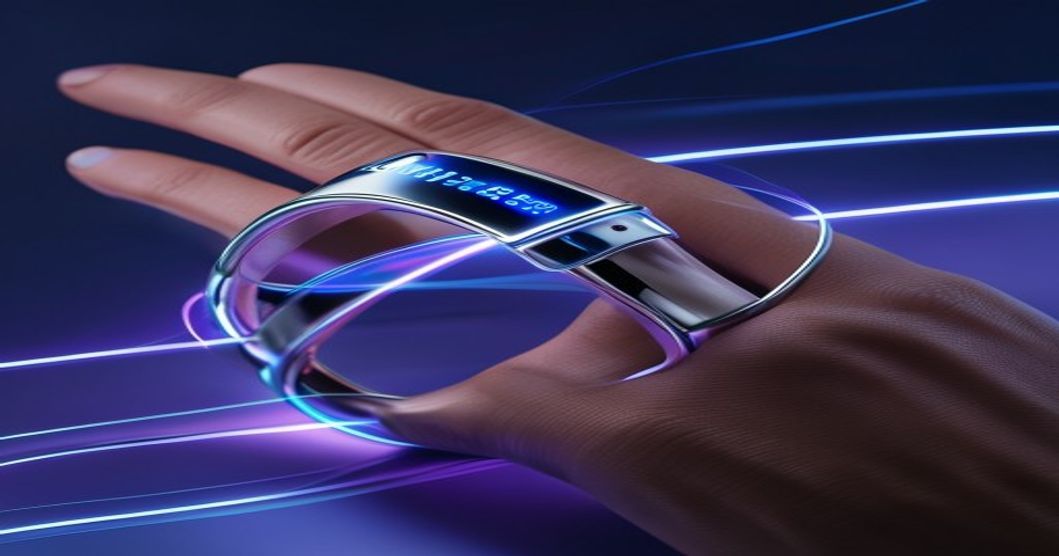
In the rapidly evolving world of wearable technology, smartwatches have long dominated the conversation, offering a wrist-bound hub for notifications, fitness tracking, and communication. However, a new contender is quietly gaining momentum, promising a more discreet and integrated approach to personal health monitoring: the smart ring. Among the most anticipated entries into this burgeoning category is the Samsung Galaxy Ring, poised to redefine how we interact with our health data and integrate technology seamlessly into our daily lives.
The Evolution of Wearable Health
For years, wearables have focused on larger form factors, from chest straps to wristbands and watches. While highly functional, these devices sometimes present aesthetic or comfort compromises, especially for continuous wear. Smart rings, by contrast, offer an ingenious solution: packing sophisticated sensors into a compact, elegant design that blends effortlessly with traditional jewelry. This discreet form factor is particularly appealing for those who prefer to track their health without the bulk or constant visual presence of a smartwatch screen.
The concept isn’t entirely new; companies like Oura have pioneered the smart ring market, demonstrating the viability and demand for such devices. However, Samsung’s entry with the Galaxy Ring is a significant milestone, bringing the power of a global tech giant’s ecosystem and vast R&D capabilities to the smart ring arena. This move signals a strong belief in the potential of finger-worn health trackers to become a mainstream staple.
Introducing the Samsung Galaxy Ring
Unveiled with much anticipation, the Samsung Galaxy Ring promises to be more than just a fitness tracker. While specific details on its full feature set are still emerging, early glimpses and Samsung’s track record suggest a comprehensive health and wellness device. Here’s what makes it such an intriguing prospect:
Discreet Design and Unparalleled Comfort
One of the primary selling points of the Galaxy Ring is its minimalist design. Crafted to be lightweight and unobtrusive, it aims to be worn 24/7 without discomfort, even during sleep. This focus on comfort is crucial for its core function: continuous health monitoring. Available in various sizes and finishes, it’s designed to appeal to a broad user base, blending effortlessly with personal style.
Comprehensive Health Tracking at Your Fingertips
The Galaxy Ring is expected to leverage a suite of advanced sensors to provide in-depth insights into various aspects of your health. While official specifications are pending, it’s highly probable to include:
- Sleep Monitoring: Accurate tracking of sleep stages, duration, and disturbances, crucial for understanding recovery and overall well-being.
- Heart Rate Tracking: Continuous monitoring of heart rate, including resting heart rate and variations, to provide a holistic view of cardiovascular health.
- Activity and Fitness Tracking: Counting steps, tracking calories burned, and recognizing various forms of exercise to encourage an active lifestyle.
- Blood Oxygen Saturation (SpO2): Monitoring oxygen levels, which can be an indicator of respiratory health.
- Temperature Sensing: Basal body temperature tracking, particularly useful for cycle tracking and fertility insights.
These data points, combined with Samsung Health’s robust analytics platform, will offer users a personalized health dashboard, identifying trends and offering actionable advice.
Seamless Integration with the Samsung Ecosystem
For existing Samsung users, the Galaxy Ring is set to be an invaluable addition to their connected lives. Its integration with the broader Samsung ecosystem – including Galaxy smartphones, smartwatches, and potentially even smart home devices – promises a cohesive and enriched user experience. Imagine your ring communicating seamlessly with your phone to provide personalized insights, or even controlling certain smart home functions with a simple gesture (though this is more speculative for now).
Why a Smart Ring Over a Smartwatch?
The rise of the smart ring begs the question: does it replace the smartwatch? The answer is likely no, but it offers a compelling alternative or complement for specific use cases:
- Comfort for Sleep Tracking: Rings are inherently more comfortable to wear overnight than watches, leading to more accurate and less interrupted sleep data.
- Discretion and Aesthetics: For those who prefer traditional timepieces or simply don’t want a screen on their wrist, a smart ring provides the benefits of health tracking without altering their personal style.
- Battery Life: Due to their simpler interface and smaller display (or lack thereof), smart rings often boast significantly longer battery lives than smartwatches, reducing the frequency of charging.
- Focused Data: Rings tend to be more focused on passive health monitoring rather than active interaction, reducing digital distractions.
The Future is on Your Finger
Samsung’s entry into the smart ring market is a strong validation of the category’s potential. It signifies a shift towards more unobtrusive, integrated, and personalized health technology. As the Galaxy Ring makes its way to consumers, it will not only compete with established players but also push the boundaries of what’s possible in wearable health. It represents a future where health monitoring is so seamless, you might even forget you’re wearing it, yet it’s constantly working to provide you with valuable insights into your well-being.
This innovative gadget has the potential to democratize advanced health tracking, making it accessible and appealing to a wider audience. It’s not just another piece of tech; it’s a subtle yet powerful statement about the future of personal health management, elegantly encapsulated on your finger.