
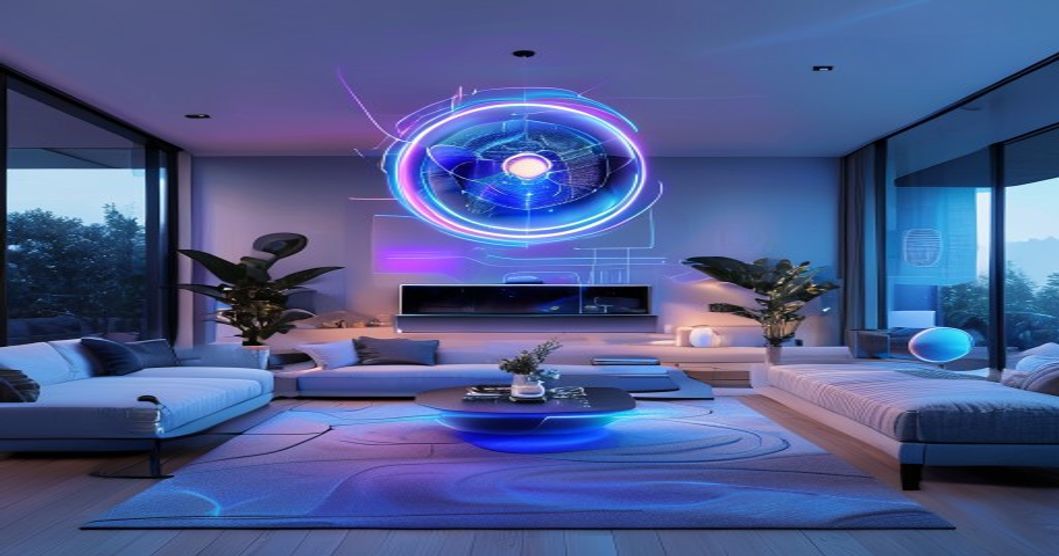
The concept of a smart home has evolved dramatically. What once started with simple voice commands to switch lights on or play music is now transforming into an intelligent, intuitive, and remarkably proactive ecosystem. We’re witnessing a significant shift where our homes are no longer just reacting to our commands but are anticipating our needs, learning our habits, and taking autonomous action to enhance our comfort, security, and efficiency. This exciting evolution is primarily powered by advancements in Artificial Intelligence (AI) and the Internet of Things (IoT).
The Dawn of Proactive Smart Living
For years, smart home devices offered convenience through automation triggered by direct input or preset schedules. While beneficial, this approach still required users to initiate actions or define strict rules. The latest wave of innovation introduces a new paradigm: proactive AI. This means smart home hubs and devices are now equipped with sophisticated machine learning algorithms that analyze vast amounts of data – from your daily routines and environmental conditions to energy consumption patterns – to make intelligent decisions on their own.
Imagine a home that adjusts the thermostat before you even feel a chill, dims the lights as you settle in for the evening, or even notifies you of an unusual activity outside, not just when a sensor is tripped, but when it detects a pattern deviating from the norm. This shift from reactive to proactive is fundamentally reshaping our interaction with our living spaces, making technology a seamless, almost invisible part of our daily lives.
Beyond Voice: Understanding Your Habits
The cornerstone of proactive AI in smart homes is its ability to learn and adapt. Modern smart hubs, often powered by advanced processors and connected through robust networks, continuously gather data from various sensors and devices. This data includes everything from motion detection and ambient light levels to temperature, humidity, and even how often you use specific appliances. Machine learning models then process this information to identify patterns and predict your preferences and behaviors.
For instance, if you consistently dim the lights and lower the blinds around sunset, the system will eventually learn this habit and perform these actions automatically. If you often adjust the heating to a specific temperature upon waking, your smart thermostat might start pre-heating your home to that comfort level just before your alarm goes off. This deep understanding of individual habits moves beyond simple automation, creating a truly personalized living experience.
Seamless Integration: The Ecosystem Advantage
Another critical development facilitating proactive smart homes is the increasing interoperability between devices and platforms. Leading tech companies are working towards more unified ecosystems, allowing different brands and types of devices to communicate and collaborate more effectively. This seamless integration means that your smart lighting, thermostat, security cameras, and even smart appliances can all work in concert, sharing data and coordinating actions to achieve a common goal: a smarter, more responsive home.
A well-integrated ecosystem enhances the AI’s ability to make informed decisions. For example, if your smart speaker detects a fire alarm, it can immediately instruct your smart lights to flash, your smart locks to unlock, and your smart thermostat to shut down the HVAC system – all without direct human intervention, potentially saving precious seconds in an emergency.
Key Innovations and Features Driving Proactive AI
Several specific innovations are bringing proactive AI to the forefront of smart home technology:
- Intelligent Energy Management: AI-powered thermostats and energy monitors are no longer just scheduling temperature changes. They learn your occupancy patterns, integrate with weather forecasts, and even consider electricity pricing to optimize heating and cooling, significantly reducing energy waste and utility bills. Some systems can even adjust appliance usage during off-peak hours.
- Personalized Comfort Zones: Beyond temperature, proactive systems now manage lighting, air quality, and even ambient sound. They can create personalized “scenes” based on your activities – a bright, energizing scene for morning routines or a soft, warm ambiance for relaxation – automatically adjusting multiple parameters throughout the day.
- Enhanced Security & Monitoring: Smart cameras and sensors are becoming more sophisticated. AI can differentiate between pets and intruders, identify familiar faces, and detect unusual sounds or movements, sending alerts only when truly necessary. Some systems can even predict potential security breaches based on learned patterns and proactively suggest preventative measures.
- Elderly Care & Accessibility: Proactive AI is proving invaluable in assisting vulnerable populations. Systems can monitor daily routines, detect falls, remind individuals to take medication, and provide peace of mind to caregivers, all while maintaining privacy and independence for the resident.
The Technology Under the Hood
Underpinning these capabilities are advancements in edge computing, more powerful local processors, and sophisticated cloud-based AI. Edge computing allows devices to process data locally, reducing latency and improving privacy by minimizing the need to send all data to the cloud. Meanwhile, cloud AI continuously refines models based on aggregated anonymized data, pushing updates back to devices to make them even smarter over time.
Benefits for the Modern Homeowner
The advantages of a proactive smart home are manifold. Beyond enhanced convenience and comfort, homeowners can enjoy significant energy savings, improved security, and a heightened sense of well-being. The seamless, almost invisible integration of technology means less time managing devices and more time enjoying your living space. It truly transforms a house into a personalized, intuitive home that works for you.
Challenges and Considerations
While the future of proactive smart homes is bright, challenges remain. Privacy concerns are paramount, as these systems gather intimate details about our lives. Robust security measures are crucial to protect against data breaches and unauthorized access. Interoperability issues, though improving, still exist, and the initial cost of building a truly proactive smart home ecosystem can be substantial. Users must also be comfortable with delegating a degree of autonomy to AI, finding the right balance between convenience and control.
The Future is Proactive
The journey towards truly intelligent living spaces is well underway. As AI continues to advance and become more integrated into our daily lives, our homes will evolve from mere structures into active participants in our well-being. The proactive smart home isn’t just a collection of gadgets; it’s a vision of a future where technology anticipates our needs, simplifies our lives, and creates environments that truly cater to human comfort and efficiency. It’s an exciting time to be living in and with technology.