
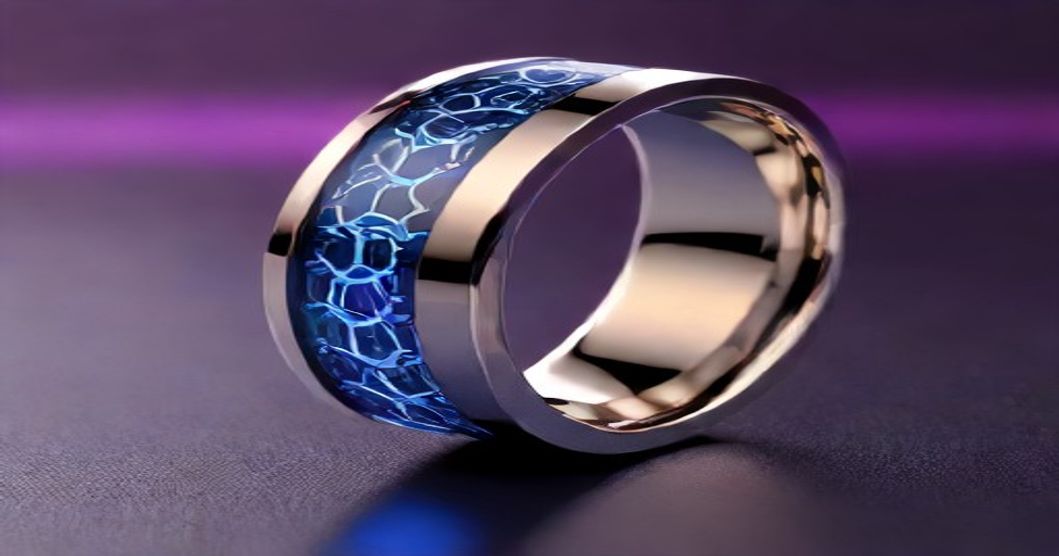
Introduction to Smart Rings
The world of wearable technology is in constant evolution. From smartwatches dominating our wrists to fitness trackers monitoring our steps, the pursuit of seamless integration between technology and our daily lives continues. A new contender, however, is discreetly making its way onto our fingers: the smart ring.
These compact, sophisticated devices are far more than just fashion accessories; they represent a significant leap forward in personal tech, offering a blend of convenience, health insights, and connectivity in an incredibly subtle form factor. As major tech companies throw their weight behind this emerging category, smart rings are poised to redefine how we interact with our digital world, promising a future where powerful computing is literally at our fingertips, without the need for screens or constant notifications.
Key Features and Functionality
What makes smart rings so compelling? Their power lies in their ability to condense advanced technology into a minimalist design. Here are some of their standout capabilities:
- Comprehensive Health Tracking: Most smart rings excel in health monitoring. They typically feature advanced sensors capable of tracking heart rate variability (HRV), sleep patterns (duration, stages, disturbances), activity levels (steps, calories burned), body temperature, and even blood oxygen saturation (SpO2) in some models. These metrics provide a holistic view of your well-being, helping users understand their recovery, stress levels, and overall physical condition.
- NFC Payments and Access: Many smart rings integrate Near Field Communication (NFC) technology, transforming them into convenient payment devices. A simple tap of your finger at compatible terminals allows for secure, contactless transactions. Beyond payments, NFC can also be used for keyless entry systems, making your ring a versatile digital key.
- Smart Home Control and Gestures: While still evolving, some smart rings offer basic gesture control, allowing users to interact with smart home devices, control media playback, or even answer calls with subtle hand movements. The potential for more advanced AI-powered gesture recognition is immense, promising a truly intuitive user experience.
- Discreet Notifications: Unlike smartwatches that can be distracting with constant visual alerts, smart rings often provide haptic feedback (vibrations) for important notifications, allowing users to stay connected without being pulled away from the present moment.
- Durability and Battery Life: Designed to be worn continuously, smart rings are typically robust, water-resistant, and boast impressive battery lives, often lasting several days on a single charge – a significant advantage over many smartwatches.
Leading Players in the Market
The smart ring landscape is populated by innovative startups and, increasingly, tech giants. Here are some of the prominent names:
- Oura Ring: Widely considered the pioneer in the health-focused smart ring segment, Oura has set a high standard for sleep tracking and wellness insights. Its sophisticated sensors and proprietary algorithms provide users with daily “readiness scores” and detailed sleep analysis, making it a popular choice for athletes and health enthusiasts.
- Samsung Galaxy Ring: Set to debut soon, Samsung’s entry into the market is highly anticipated. Leveraging its vast ecosystem and manufacturing prowess, the Galaxy Ring is expected to offer robust health tracking, potentially integrate seamlessly with Samsung Health, and aim for broader consumer appeal, challenging Oura’s dominance.
- Ultrahuman Ring AIR: Another strong contender, Ultrahuman focuses on metabolic health and recovery. It tracks similar metrics to Oura but places a strong emphasis on continuous glucose monitoring (CGM) integration (via separate devices) and detailed insights into how diet and activity impact energy levels.
- Movano Health Evie Ring: Designed specifically for women, the Evie Ring tracks menstrual cycles, ovulation, and mood, alongside general health metrics. It emphasizes a more holistic approach to women’s health, offering personalized insights.
- RingConn Smart Ring: Positioned as a more affordable alternative, RingConn offers comprehensive health tracking, including heart rate, SpO2, and sleep, making advanced features accessible to a wider audience.
Benefits for the User
The appeal of smart rings stems from several key advantages they offer over other wearables:
- Unobtrusive and Stylish: Their most significant benefit is their discreetness. Smart rings blend seamlessly into personal style, often resembling conventional jewelry. This means users can enjoy advanced tech without the bulk or visual distraction of a smartwatch.
- Continuous, Passive Data Collection: Unlike devices that require manual interaction, smart rings continuously collect data in the background, making health monitoring effortless and natural. This passive approach leads to more consistent and accurate long-term insights.
- Focus on Core Insights: Without a screen, smart rings encourage users to focus on the data and insights provided through an accompanying app, rather than getting caught up in constant notifications or complex on-device interactions. This promotes a more mindful approach to technology.
- Enhanced Comfort and Versatility: Their lightweight and ergonomic design means they can be worn 24/7, even during sleep or strenuous activities, without discomfort. This versatility makes them ideal for a wide range of lifestyles.
Challenges and Future Outlook
Despite their promise, smart rings face certain hurdles that need to be addressed for widespread adoption:
- Accuracy and Validation: While impressive, the accuracy of medical-grade data from such small devices remains a point of scrutiny. Regulatory approvals and rigorous scientific validation will be crucial for broader acceptance.
- Limited Interaction: The lack of a screen inherently limits complex interactions. While this is a feature for some, others might miss the immediate feedback and app ecosystem of a smartwatch. Bridging this gap with advanced haptic feedback and voice commands will be key.
- Data Privacy Concerns: Collecting intimate health data raises significant privacy questions. Manufacturers must ensure robust security protocols and transparent data handling practices to build user trust.
- Price Point and Mass Adoption: Currently, many advanced smart rings carry a premium price tag, which can be a barrier to mass adoption. As technology matures and competition increases, prices are expected to become more accessible.
- Integration and Ecosystems: For smart rings to truly thrive, seamless integration with existing smart home ecosystems, health platforms, and other devices is essential. Open standards and robust APIs will facilitate this.
The future of smart rings looks incredibly bright. Imagine rings with advanced AI assistants, personalized medication reminders, continuous health diagnostics for early disease detection, or even augmented reality controls. As miniaturization technology advances and AI capabilities become more sophisticated, these tiny devices could evolve into indispensable personal health companions and intuitive control interfaces, moving beyond simple tracking to predictive analytics and proactive wellness management. They are not just an alternative to smartwatches but represent a distinct paradigm shift towards invisible, integrated technology that empowers us quietly and effectively.