
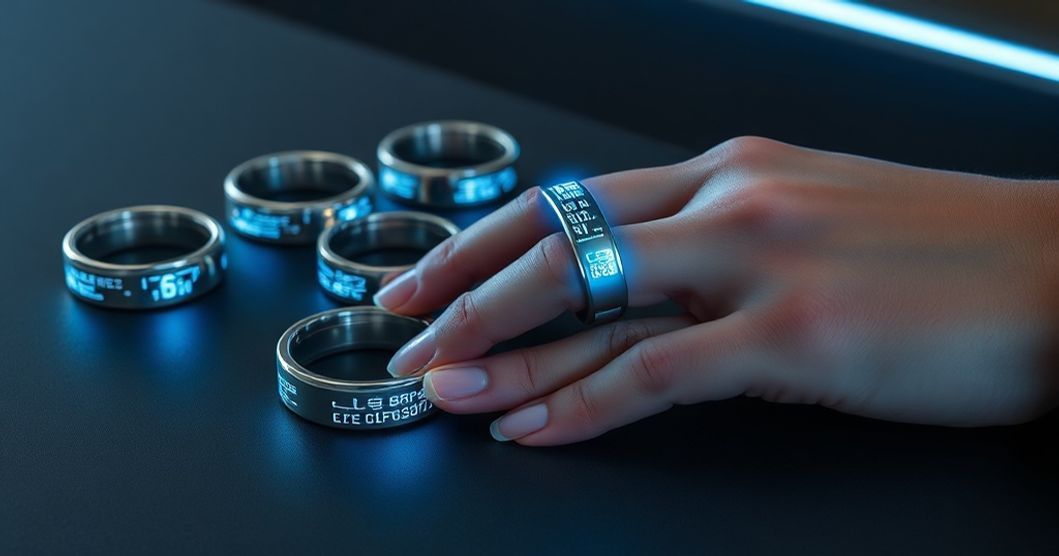
In a world increasingly dominated by screens and notifications, a new wave of wearable technology is emerging, promising powerful functionality in a remarkably discreet form factor: the smart ring. Moving beyond the bulky smartwatches and dedicated fitness bands, smart rings are redefining how we interact with our digital lives and monitor our well-being, all from a device so subtle it can blend seamlessly with your everyday jewelry. These miniature powerhouses are not just a trend; they represent a significant leap in personal technology, packing a surprising amount of innovation into an elegant band worn right on your finger.
For years, wearable technology primarily focused on wrist-based devices. While smartwatches offer expansive displays and versatile applications, they often come with compromises in terms of battery life, comfort for continuous wear, and sometimes, aesthetic appeal. Smart rings step in to fill this gap, offering a more minimalist approach that prioritizes data collection and seamless interaction over constant screen engagement. They are designed for continuous wear, providing a constant stream of valuable insights without demanding your attention. This quiet revolution is transforming how we think about personal tech, shifting the focus from overt interaction to subtle, intelligent assistance.
What Exactly Are Smart Rings?
At their core, smart rings are compact wearable devices embedded with sensors, processors, and communication modules, all housed within a ring-sized chassis. Unlike their smartwatch counterparts, most smart rings forgo a display, relying instead on companion smartphone apps to present data and manage settings. Their primary goal is to provide continuous, passive monitoring and interaction, blending effortlessly into your daily routine. This “invisible tech” approach is one of their most compelling characteristics, making advanced technology accessible without being obtrusive.
They typically connect to your smartphone via Bluetooth, acting as an extension of your digital life. While the initial wave of smart rings focused heavily on health and fitness tracking, the latest iterations are expanding their capabilities dramatically, venturing into areas like contactless payments, gesture control, and even advanced security features. The compact size belies a sophisticated array of sensors that can gather a wealth of personal data, offering a level of convenience and integration previously unseen in such a small form.
Key Innovations and Expanding Features
The evolution of smart rings showcases an impressive array of technological advancements. Here’s a closer look at some of the most exciting capabilities emerging from this tiny form factor:
Advanced Health and Wellness Monitoring
Perhaps the most well-known application, smart rings excel at continuous health tracking. Devices like the Oura Ring have set the standard, offering highly accurate sleep analysis (including sleep stages, REM, deep sleep), heart rate variability (HRV), resting heart rate, skin temperature trends, and even blood oxygen saturation (SpO2) in some models. Because they are worn on the finger, which has consistent blood flow, they can often provide more accurate and consistent biometric data compared to wrist-worn devices, especially during sleep. This constant stream of data provides users with invaluable insights into their recovery, stress levels, and overall well-being.
Seamless Contactless Payments
Imagine leaving your wallet and phone behind and still being able to make purchases. Many modern smart rings are integrating NFC (Near Field Communication) technology, allowing for secure, tap-to-pay transactions at compatible terminals. This feature offers unparalleled convenience, especially when you’re out for a run, at the gym, or simply want to lighten your load. With a discreet gesture, you can pay for your coffee or groceries, transforming your finger into a secure payment method.
Intuitive Gesture Control
The future of interacting with our devices might just be a flick of the wrist. Some smart rings are incorporating accelerometers and gyroscopes to enable gesture control. This means you could potentially control smart home devices, manage music playback, answer calls, or even navigate presentations with simple hand movements, eliminating the need to reach for your phone or remote. This innovative interface promises a more natural and hands-free way to interact with the connected world around us.
Enhanced Security and Authentication
Your finger could become your most secure digital key. Smart rings are being explored as a method for biometric authentication, allowing users to unlock doors, log into computers, or access secure applications with a simple tap or gesture. This offers a compelling alternative to passwords or even fingerprint scanners, providing a personalized layer of security that is always with you. Some rings are even designed to function as digital keys for smart locks, adding another layer of convenience and peace of mind.
Discreet Notifications and Communication
While most smart rings lack a screen, they can still keep you connected without distraction. Through subtle haptic feedback (vibrations), a smart ring can alert you to incoming calls, messages, or calendar reminders. This allows you to stay informed without constantly checking your phone, promoting a more mindful approach to digital communication. You receive the essential alerts directly on your finger, allowing you to decide when and if to engage with your phone.
The Advantages of Choosing a Smart Ring
Several factors contribute to the growing appeal of smart rings, setting them apart from other wearables:
- Discretion and Style: They blend seamlessly with traditional jewelry, offering functionality without drawing attention.
- Uninterrupted Wear: Designed to be worn continuously, even during sleep, providing comprehensive data.
- Superior Comfort: Lighter and less intrusive than smartwatches, ideal for all-day and all-night wear.
- Exceptional Battery Life: Due to the absence of a display, smart rings typically boast multi-day battery life, sometimes lasting over a week on a single charge.
- Focus on Data, Not Distraction: They encourage a more present approach by minimizing screen time and focusing on delivering insights.
Challenges and the Path Forward
Despite their innovative features, smart rings face certain challenges. The lack of a display means users are always reliant on a companion app for detailed information. The accuracy of some advanced sensors is still evolving, and widespread consumer adoption requires competitive pricing and robust functionality. However, as technology miniaturizes further and AI integration becomes more sophisticated, these hurdles are rapidly being overcome.
Companies like Oura have paved the way, and major players like Samsung are now entering the market with their own smart ring offerings, signalling a strong future for the category. We can anticipate more advanced medical-grade sensors, enhanced energy efficiency, and deeper integration into the broader Internet of Things (IoT) ecosystem, making smart rings even more indispensable.
Who Benefits Most from Smart Rings?
Smart rings are particularly appealing to a diverse group of users:
- Health Enthusiasts: Those keen on detailed sleep analysis, recovery metrics, and general well-being insights.
- Tech Minimalists: Individuals who appreciate advanced technology but prefer a discreet, unobtrusive gadget over a smartwatch.
- Commuters and Travelers: Benefiting from contactless payments and seamless authentication features.
- Professionals: Who desire discreet notifications and gesture control during meetings or presentations.
- Anyone Seeking Digital Wellness: Promoting a healthier balance with technology by reducing screen dependency.
The smart ring is more than just another gadget; it’s a testament to the power of miniaturization and intelligent design. It represents a paradigm shift towards wearable technology that serves us quietly and effectively, blending into our lives rather than dominating them. As these devices continue to evolve, they are poised to become an essential component of our personal technology landscape, offering a subtle yet powerful link to our digital world and a constant guardian of our well-being.