
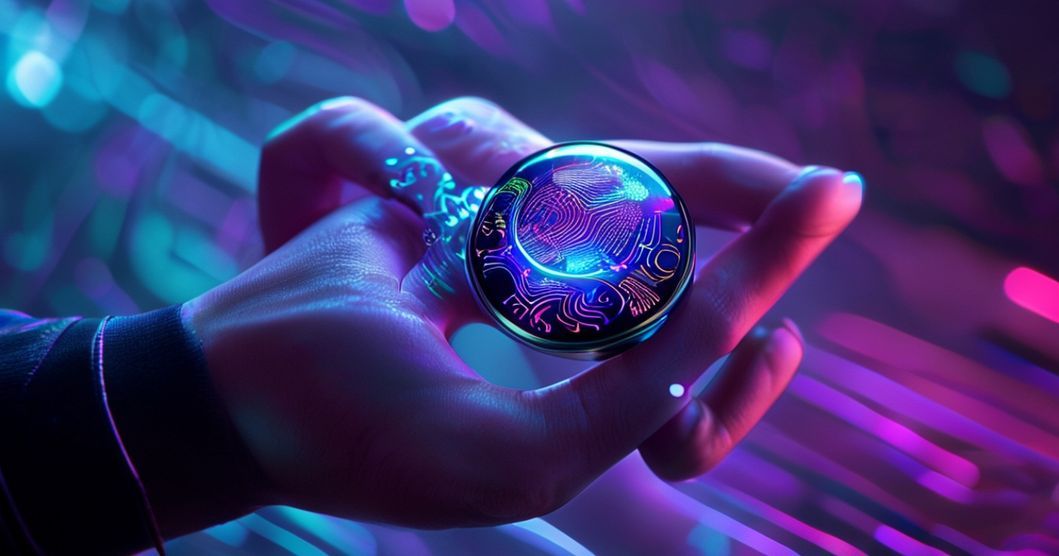
For years, smartwatches have dominated the wearable technology landscape, offering a blend of fitness tracking, notifications, and convenience right on our wrists. However, a new contender is rapidly emerging, promising to redefine personal tech with unparalleled subtlety and advanced health insights: the smart ring. These discreet devices are packing powerful sensors and smart features into a form factor so small, you might mistake it for a piece of stylish jewelry. They represent a fascinating step towards technology that seamlessly integrates into our lives, providing valuable data without demanding constant attention.
What Exactly is a Smart Ring?
At its core, a smart ring is a miniaturized wearable device designed to be worn on a finger, much like a traditional ring. Unlike its smartwatch counterpart, a smart ring typically lacks a screen, prioritizing a minimalist aesthetic and extended battery life. Yet, despite its diminutive size, it’s packed with sophisticated sensors capable of continuously monitoring various physiological metrics, making it an invaluable tool for health and wellness tracking.
These devices communicate wirelessly, usually via Bluetooth Low Energy (BLE), with a companion smartphone app. The app serves as the interface, allowing users to view their collected data, receive personalized insights, and manage settings. The beauty of a smart ring lies in its ability to operate in the background, providing passive monitoring without the visual distractions of a display or the bulk of a larger gadget.
Unpacking the Core Features and Benefits
Comprehensive Health and Wellness Tracking
One of the primary appeals of smart rings is their robust capability for health monitoring. They excel at tracking crucial metrics that offer a holistic view of your well-being. This includes detailed sleep analysis, where they can differentiate between sleep stages (light, deep, REM), monitor sleep latency, and track disturbances. Beyond sleep, smart rings typically measure heart rate, heart rate variability (HRV), skin temperature variations, activity levels, calorie burn, and even blood oxygen saturation (SpO2) in some advanced models. These continuous data streams provide insights into recovery, stress levels, and overall readiness for the day, empowering users to make informed lifestyle choices.
The Allure of Discreet Design
For many, the biggest draw of a smart ring is its understated elegance. They are designed to blend seamlessly with personal style, often resembling conventional rings. This discreetness is a significant advantage for individuals who find smartwatches too intrusive, bulky, or simply prefer not to have a screen constantly vying for their attention. A smart ring can be worn comfortably in various settings, from professional environments to during physical activities where a watch might be cumbersome, without drawing undue notice.
Emerging Payment and Control Capabilities
While health tracking remains paramount, smart rings are also exploring other functionalities. Some models already offer Near Field Communication (NFC) for convenient, contactless payments, turning your finger into a secure payment method. The future promises even more integration, with potential for smart home control, gesture-based interactions, or even acting as a subtle authenticator for digital services, further enhancing convenience without adding visual clutter.
Superior Battery Life
A notable advantage smart rings hold over smartwatches is their significantly longer battery life. Lacking a power-hungry screen, most smart rings can last anywhere from four days to over a week on a single charge. This extended endurance minimizes the hassle of frequent recharging, making them ideal for continuous, uninterrupted health monitoring, especially for metrics like sleep where daily charging would be a significant inconvenience.
Key Players and the Evolving Landscape
The Oura Ring: A Pioneer in the Space
The Finnish-made Oura Ring has largely pioneered and defined the smart ring category. It has established itself as a leader, particularly renowned for its advanced sleep and recovery tracking capabilities. Utilizing research-grade sensors, Oura provides highly actionable insights into a user’s health data, often incorporating a subscription model to unlock its full suite of analytical features and personalized guidance. Its success has proven the viability and demand for this form of wearable technology.
Samsung’s Entry: The Galaxy Ring
The announcement of the Samsung Galaxy Ring has generated immense anticipation, signaling a major endorsement from one of the world’s leading technology manufacturers. Samsung’s entry is expected to significantly broaden the market appeal and accelerate innovation within the smart ring segment. The Galaxy Ring will likely integrate deeply with Samsung Health and the broader Galaxy ecosystem, offering seamless data synchronization and a familiar user experience to millions of Samsung device owners. This move is poised to make smart rings a mainstream health accessory.
Niche Innovators
Beyond the market leaders, several other companies are contributing to the smart ring ecosystem. The Movano Evie Ring, for instance, focuses specifically on women’s health, offering period prediction and symptom tracking alongside general wellness metrics. Companies like Circular Ring are also pushing boundaries with unique designs and specialized features, indicating a diverse and rapidly expanding market hungry for innovation.
The Miniaturization Marvel: How it Works
The engineering behind a smart ring is a marvel of miniaturization. At its heart are tiny, yet powerful, sensors that continuously collect data from your finger. These typically include:
- Photoplethysmography (PPG) sensors: These use green LEDs to measure changes in blood volume just beneath the skin, which is then used to determine heart rate, heart rate variability, and blood oxygen levels.
- Accelerometers and Gyroscopes: These motion sensors detect movement, enabling accurate tracking of steps, activity levels, and crucial sleep stage differentiation by analyzing micro-movements during rest.
- NTC Thermistors: These precise temperature sensors monitor subtle changes in your body temperature, which can indicate illness, stress, or even phases of the menstrual cycle.
All data collected is processed by a tiny onboard chip and then transmitted wirelessly via Bluetooth Low Energy (BLE) to your smartphone application. The challenge for engineers is not just fitting this sophisticated technology into a small, ergonomic form factor, but also ensuring durability, water resistance, and maintaining comfort for continuous wear.
Who Should Consider a Smart Ring?
A smart ring is an excellent choice for a diverse range of individuals:
- Sleep enthusiasts: Those who prioritize understanding and improving their sleep quality will find the detailed insights invaluable.
- Fitness aficionados: Athletes and active individuals seeking subtle, continuous monitoring of recovery and activity without a bulky device.
- Style-conscious individuals: Anyone who prefers a discreet wearable that complements their personal style over a more overt gadget.
- Data minimalists: People who want continuous health data and insights without constant notifications or screen interactions.
- Proactive health managers: Those interested in passively tracking long-term health trends and receiving alerts for significant deviations.
Challenges and the Road Ahead
Despite their undeniable appeal, smart rings face certain challenges. Ensuring medical-grade accuracy and validation for all biometric data remains a critical hurdle for broader acceptance, especially in clinical applications. The lack of a display means all data consumption and interaction occur via a smartphone, which might limit real-time feedback for some users. Moreover, pricing can be a barrier, with many premium models costing as much as a high-end smartwatch.
However, the future for smart rings looks exceptionally bright. We can anticipate advancements in sensor technology for even more precise and diverse biometric tracking, including glucose monitoring or blood pressure. Enhanced payment capabilities, tighter integration with smart home ecosystems, and even subtle haptic feedback for notifications or alerts could become standard. Imagine a ring that not only tracks your health but also acts as an intuitive, gesture-based controller for your augmented or virtual reality experiences.
Smart rings are poised to evolve beyond simple health trackers into versatile, integrated tools that empower us to live healthier, more connected lives, all from the comfort of our finger. Their ongoing development promises to push the boundaries of invisible technology, making our interaction with the digital world more seamless and intuitive than ever before.