
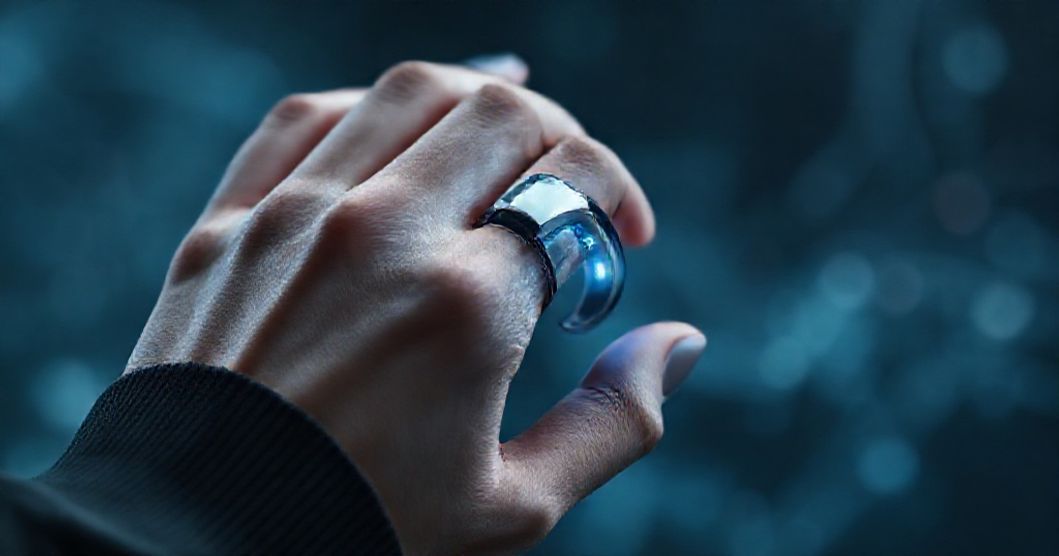
In the rapidly evolving landscape of personal technology, a new contender is quietly making waves on our fingers. Forget bulky smartwatches and clip-on fitness trackers; smart rings are emerging as the next frontier in wearable tech. These sleek, minimalist devices pack a surprising punch, offering a wealth of features from health monitoring to contactless payments, all while blending seamlessly into your everyday style. As we seek more integrated and less intrusive ways to interact with our digital lives, smart rings are stepping up as a compelling alternative, promising convenience, health insights, and a touch of futuristic elegance.
What Exactly Are Smart Rings?
At their core, smart rings are miniature computers designed to be worn on a finger. Unlike smartwatches that typically feature a screen and multiple buttons, smart rings prioritize subtlety and long battery life. They are equipped with an array of sensors, allowing them to track various biometric data and perform specific functions without requiring constant attention or screen interaction. Their appeal lies in their ability to provide valuable insights and functionalities in a truly unobtrusive form factor, making them ideal for continuous wear, even during sleep.
Key Features and Functionality
Despite their small size, smart rings are packed with advanced technology that enables a diverse range of features:
- Comprehensive Health Monitoring: This is arguably the most significant draw. Smart rings can track your heart rate, heart rate variability (HRV), skin temperature, blood oxygen levels (SpO2), and activity levels (steps, calories burned). They excel in sleep tracking, providing detailed analysis of sleep stages, duration, and quality, often more accurately due to their comfortable fit.
- Fitness Tracking: Beyond basic steps, many rings can estimate calorie burn, track workouts, and provide recovery insights based on your physiological data.
- Contactless Payments: Some smart rings integrate NFC technology, allowing you to make secure payments with a simple tap of your hand, just like a contactless credit card or smartphone.
- Smart Home Control: Future iterations and some current models are exploring integration with smart home ecosystems, enabling you to control lights, thermostats, or other devices with intuitive gestures.
- Notifications and Interaction: While they lack a screen, some rings can provide haptic feedback (vibrations) for incoming calls, messages, or alarms. Advanced models might even support basic gesture controls for interacting with connected devices.
- Security and Authentication: Smart rings are being explored as a secure method for unlocking devices, authenticating payments, or even accessing physical spaces, leveraging their unique identifier and biometric data.
Leading Players in the Smart Ring Market
The market for smart rings is growing, with several notable players leading the charge and new entrants joining:
- Oura Ring: Often considered the pioneer in the health-focused smart ring space, Oura has set a high standard for sleep and activity tracking. Its emphasis on recovery and readiness scores has garnered a loyal following.
- Ultrahuman Ring AIR: Another strong contender focused on health and fitness, the Ultrahuman Ring AIR boasts a lightweight design and advanced metrics for sleep, movement, and recovery.
- Samsung Galaxy Ring: Samsung’s recent announcement of the Galaxy Ring marks a significant moment, bringing a major tech giant into the fray. Expected to integrate deeply with Samsung’s health ecosystem, it could significantly expand the mainstream appeal of smart rings.
- Mage Ring: While not as focused on health, rings like the Mage Ring prioritize payment capabilities, offering a convenient alternative to carrying cards or phones.
Advantages Over Smartwatches
Smart rings aren’t just smaller smartwatches; they offer distinct advantages that carve out their own niche:
- Discreetness and Aesthetics: Their primary appeal is their ability to blend in. They look like regular jewelry, making them suitable for formal occasions or for those who prefer not to wear a prominent gadget on their wrist.
- Comfort and Portability: Being lightweight and worn on the finger, they are often more comfortable for continuous wear, especially during sleep. They don’t interfere with wrist movements or clothing sleeves.
- Superior Battery Life: Without a power-hungry screen, smart rings typically boast battery lives ranging from several days to over a week on a single charge, significantly outperforming most smartwatches.
- Less Screen Distraction: For those looking to reduce screen time, smart rings offer data and functionality without the constant visual prompts of a smartwatch, promoting a more mindful interaction with technology.
- Optimized for Certain Biometrics: For metrics like skin temperature and specific heart rate variability patterns, the finger can sometimes provide more consistent and accurate readings than the wrist, particularly for sleep analysis.
Challenges and Limitations
Despite their promise, smart rings face certain limitations:
- Lack of Visual Feedback: The absence of a screen means users rely solely on app interfaces for data visualization, which can be less immediate than glancing at a watch.
- Input Methods: Interaction is currently limited. While gestures are being explored, they are not as versatile as touchscreen input or physical buttons.
- Limited Feature Set: They cannot replicate all smartwatch functionalities, such as GPS navigation, detailed app ecosystems, or making/receiving calls directly.
- Sizing and Fit: Ensuring a comfortable and accurate fit can be challenging, as ring sizes vary, and a snug fit is crucial for accurate sensor readings.
- Durability: As a device worn on a finger, they are susceptible to knocks and scratches, requiring robust materials and design.
The Future of Smart Rings
The trajectory for smart rings is exciting. We can anticipate significant advancements:
- Enhanced Sensor Technology: Expect more precise and varied biometric sensors, potentially including continuous blood pressure monitoring, glucose tracking, and even advanced environmental sensors.
- Deeper AI Integration: Smart rings will likely become more proactive, offering personalized health recommendations and predictive insights powered by AI, becoming a truly intelligent personal health assistant.
- Advanced Haptic Feedback: More sophisticated haptic motors could allow for richer, more nuanced notifications and even directional cues.
- Seamless Connectivity: Better integration with other smart devices, from smart home systems to augmented reality glasses, will expand their utility.
- Gesture-Based Control: As gesture recognition improves, smart rings could become intuitive controllers for our digital environments, allowing us to interact with screens or devices without touching them.
Smart rings represent a paradigm shift in wearable technology, moving towards smaller, more integrated, and less intrusive devices. They cater to a growing demand for technology that enhances our lives without overwhelming them, providing essential health insights and conveniences in a truly elegant package. As technology continues to miniaturize and AI capabilities expand, these discreet powerhouses on our fingers are poised to become indispensable tools in our daily lives, redefining what it means to be connected and aware of our own well-being.