
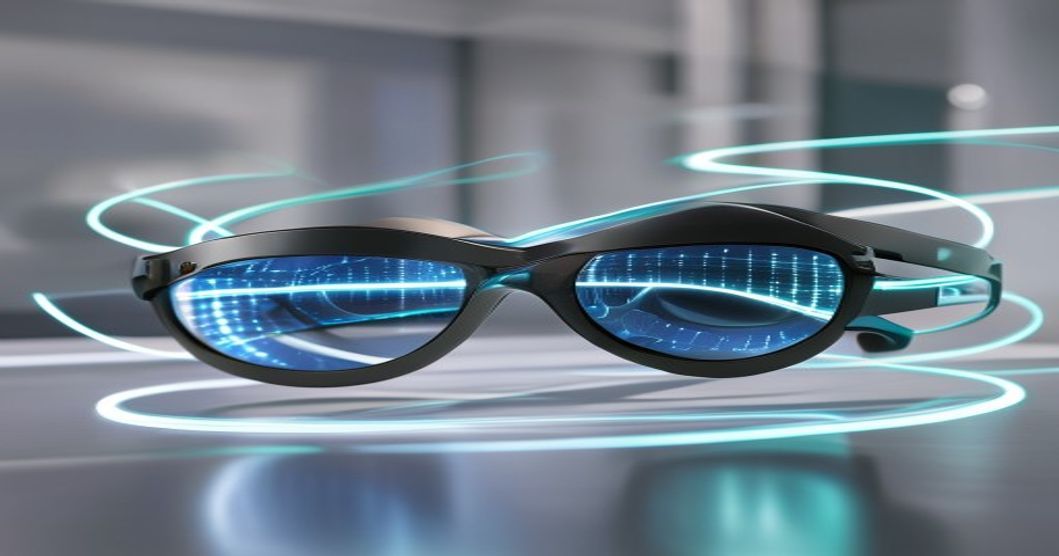
The landscape of personal technology is constantly evolving, bringing us innovations that blend seamlessly into our daily routines. Among the most intriguing recent developments are AI-powered smart glasses. Far from being just a futuristic concept, these sophisticated wearables are rapidly transforming how we interact with information, capture moments, and stay connected. They represent a significant leap beyond traditional screens, embedding digital intelligence directly into our line of sight and hearing.
The Evolution of Wearable Tech
The idea of smart glasses isn’t entirely new. Remember the excitement and controversy surrounding Google Glass a decade ago? While ahead of its time, it laid crucial groundwork. Early iterations often struggled with design, battery life, and user acceptance. However, advancements in miniaturization, battery technology, and especially artificial intelligence have breathed new life into the category. Today’s smart glasses, exemplified by products like the Ray-Ban Meta Smart Glasses, are designed with a focus on aesthetics, user-friendliness, and powerful AI integration, making them a practical and stylish accessory rather than just a niche gadget.
The shift has been profound. From being mere display devices, smart glasses have evolved into intelligent assistants. They no longer just show you information; they help you process it, respond to your commands, and even anticipate your needs. This transformation is largely thanks to sophisticated AI algorithms running on compact, power-efficient hardware, enabling a truly hands-free and intuitive experience.
What Makes Today’s Smart Glasses “Smart”?
AI Integration and Voice Control
At the heart of modern smart glasses lies powerful AI. This intelligence allows for sophisticated voice commands, enabling users to control features, ask questions, and interact with their digital world without ever touching a screen. Imagine asking your glasses for directions, the weather forecast, or to translate a sign in real-time. The integrated AI can process natural language, provide relevant information, and even offer proactive suggestions based on your context. This conversational interface makes the technology feel incredibly natural and responsive, blending the digital and physical realms effortlessly.
Camera and Audio Capabilities
Today’s smart glasses often feature high-quality integrated cameras, allowing users to capture photos and videos from a first-person perspective. This “point-of-view” recording is perfect for documenting experiences exactly as you see them, whether it’s an adventurous hike or a family gathering. The discreet design ensures that you can capture moments authentically without the intrusion of a smartphone. Coupled with open-ear audio technology, these glasses deliver sound directly to your ears while keeping them open to your surroundings, providing an immersive audio experience for music, podcasts, or calls without isolating you from the world.
Enhanced Connectivity
Seamless connectivity is another cornerstone of smart glasses. They typically pair effortlessly with your smartphone via Bluetooth, acting as an extension of your mobile device. This connection allows for instant sharing of captured media, access to your phone’s apps, and cloud integration for data storage and processing. Some models even support direct Wi-Fi connectivity, enabling standalone functions and over-the-air updates that continuously enhance their capabilities. This robust ecosystem ensures that your smart glasses are always up-to-date and ready to integrate into your digital life.
Real-World Applications and Benefits
Everyday Convenience
The practical applications of smart glasses are vast. For daily commuters, they can provide turn-by-turn navigation overlays without needing to look down at a phone. For cooking enthusiasts, recipes can be displayed right in their field of vision. Business professionals can discreetly receive notifications or access important information during meetings. The hands-free nature of these devices significantly streamlines many everyday tasks, enhancing productivity and reducing screen dependency. They empower users to stay present while still having immediate access to digital resources.
Creative Content Creation
For content creators, smart glasses offer a revolutionary way to capture unique perspectives. Imagine live-streaming an event from your own eyes, creating immersive vlogs, or documenting extreme sports without cumbersome camera rigs. The first-person perspective adds an authentic and engaging dimension to video content, making viewers feel like they are truly part of the action. This opens up entirely new avenues for storytelling and sharing experiences on social media platforms.
Accessibility and Assistance
Beyond convenience and creativity, smart glasses hold immense potential for accessibility. Features like real-time language translation can break down communication barriers for travelers or individuals in multicultural environments. For those with visual impairments, future iterations could offer enhanced visual aids, object recognition, or even guided navigation. The ability to overlay information onto the real world can assist individuals with various needs, making daily life more manageable and inclusive. This assistive technology could truly redefine independence for many.
Addressing Concerns: Privacy and Ethics
As with any powerful new technology, smart glasses raise important questions about privacy and ethics. The presence of a camera, even a discreet one, necessitates responsible usage. Manufacturers are implementing features like LED indicators that signal when recording is active, encouraging transparency. Discussions around data collection, consent, and the potential for misuse are crucial. As these devices become more ubiquitous, establishing clear social norms and robust ethical guidelines will be paramount to ensuring they are used beneficially and respectfully within society.
The Road Ahead: Future Possibilities
The journey for smart glasses is just beginning. We can anticipate even more sophisticated AI capabilities, including proactive assistance that anticipates user needs based on learned behaviors and context. Augmented Reality (AR) overlays are set to become more advanced, offering truly immersive experiences where digital information blends seamlessly with the physical world, from interactive gaming to dynamic visual instructions for complex tasks. Improved battery life, lighter designs, and enhanced processing power will make them even more indispensable. The integration with other smart home devices and the broader Internet of Things will further expand their utility, solidifying their role as a central hub for personal technology.
Smart glasses are more than just a passing trend; they represent a fundamental shift in how we interact with technology. By seamlessly integrating digital intelligence into our everyday lives, they promise a future where information is effortlessly accessible, communication is more intuitive, and our connection to the digital world is more natural than ever before. This merging of the physical and virtual through intelligent eyewear is poised to redefine convenience, creativity, and accessibility for generations to come.