
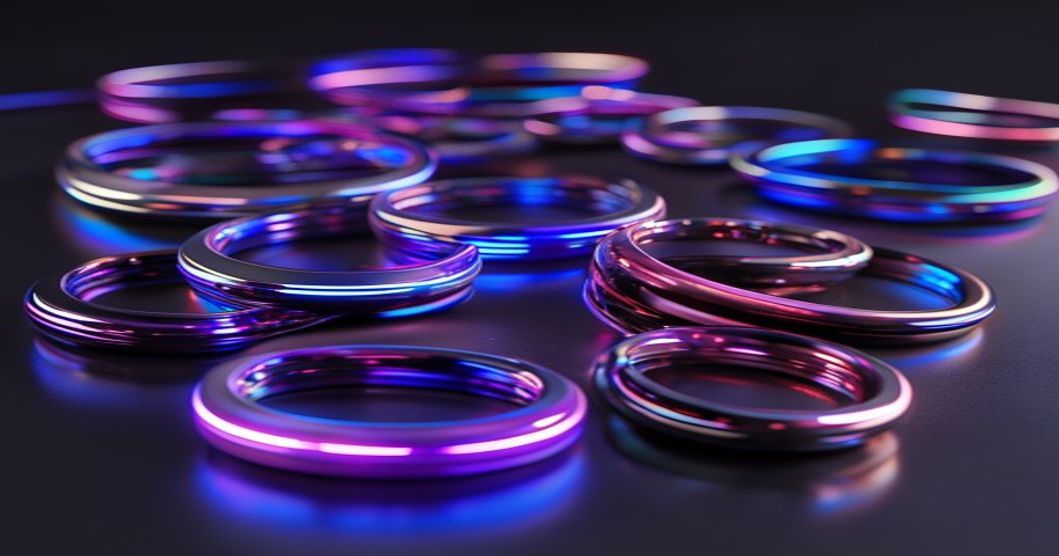
In a world increasingly saturated with smart devices, from watches to glasses, a new contender is quietly making its mark: the smart ring. These discreet, elegant pieces of technology are rapidly evolving beyond simple fitness trackers, promising a future where vital health data, secure payments, and smart controls are literally at your fingertips. As tech giants and innovative startups invest heavily, smart rings are poised to redefine how we interact with our digital lives, offering a seamless and unobtrusive wearable experience.
What Exactly is a Smart Ring?
A smart ring is a compact, finger-worn device packed with sensors, a small battery, and connectivity features, typically Bluetooth. Unlike its bulkier smartwatch counterparts, its primary appeal lies in its minimalist design and subtle integration into daily life. It’s designed to be worn continuously, providing a constant stream of data without drawing attention. Early iterations focused on basic activity tracking, but modern smart rings are far more sophisticated, offering a suite of functionalities that rival more prominent wearables.
Key Features Redefining Wearable Technology
The capabilities of smart rings are expanding rapidly, making them versatile tools for various aspects of life. Here are some of the most compelling features:
Advanced Health and Wellness Monitoring
- Heart Rate and HRV: Continuous tracking of heart rate and heart rate variability (HRV) provides insights into cardiovascular health and stress levels.
- Sleep Tracking: Detailed analysis of sleep stages (REM, deep, light), duration, and disturbances helps users understand and improve their sleep quality. Many rings are particularly adept at sleep tracking due to their comfortable, non-intrusive nature during rest.
- Body Temperature: Precise temperature sensing can detect early signs of illness, monitor menstrual cycles, and offer valuable insights into overall well-being.
- Activity and Recovery: Beyond step counting, smart rings track calories burned, active minutes, and even provide recovery scores based on sleep and physiological markers, helping users optimize their workouts and prevent overtraining.
Seamless Digital Interactions
- Contactless Payments: With NFC technology embedded, many smart rings enable swift, secure payments with a simple tap, eliminating the need for cards or phones.
- Access Control and Security: Some rings can unlock doors, authenticate identity for digital services, or even act as a key for vehicles, adding a layer of convenience and security.
- Smart Home Integration: Future developments envision rings controlling smart home devices, adjusting lights, thermostats, or activating routines with subtle gestures or taps.
Advantages Over Traditional Wearables
While smartwatches have their place, smart rings offer several distinct advantages that appeal to a growing segment of tech users:
- Discreetness and Aesthetics: Their unobtrusive design allows them to blend seamlessly with personal style, appealing to those who prefer minimalist accessories or cannot wear watches for professional reasons.
- Comfort and Continuous Wear: Rings are generally more comfortable for continuous wear, especially during sleep or vigorous activities, leading to more consistent data collection. The absence of a screen also means no distractions or notifications constantly vying for attention.
- Superior Battery Life: Due to their simpler interface and focus on sensor data, smart rings often boast significantly longer battery lives, sometimes lasting up to a week on a single charge, a stark contrast to daily charging requirements of many smartwatches.
- Potential for Data Accuracy: The finger, being rich in capillaries and less susceptible to movement artifacts than the wrist, can potentially offer more accurate physiological readings, particularly for metrics like heart rate and oxygen saturation.
The Road Ahead: Challenges and Innovations
Despite their promise, smart rings face challenges. Broad consumer adoption hinges on expanding their feature set, enhancing battery efficiency, and ensuring robust data privacy. Manufacturers are also exploring haptic feedback, smaller form factors, and integration with augmented reality systems. The future could see smart rings capable of gesture control, serving as universal identifiers, or even monitoring blood pressure and glucose levels non-invasively.
The burgeoning interest from major tech players, including Samsung’s anticipated Galaxy Ring and ongoing innovations from companies like Oura and Ultrahuman, signifies a strong belief in the category’s potential. As miniaturization technology advances and sensor capabilities improve, smart rings are set to become an even more integral part of our connected ecosystem.
Who Benefits from Smart Rings?
Smart rings cater to a diverse audience. They are ideal for fitness enthusiasts and health-conscious individuals seeking comprehensive tracking without the bulk of a watch. Professionals who need to maintain a polished appearance but still desire connectivity find them invaluable. Additionally, anyone looking for a more discreet, less distracting way to interact with technology and manage their digital identity will appreciate the elegance and functionality these rings provide.
Smart rings represent an exciting evolution in wearable technology, moving towards greater integration and less intrusion. They offer a compelling vision of the future where technology serves us subtly and efficiently, providing valuable insights and convenient interactions without demanding constant attention. As the technology matures, these small yet powerful devices are poised to become indispensable companions in our increasingly connected lives.